
Maintenance
Garage Opener Maintenance : Essential Tips for Longevity and Safety
September 17, 2026 · Prime Garage Doors
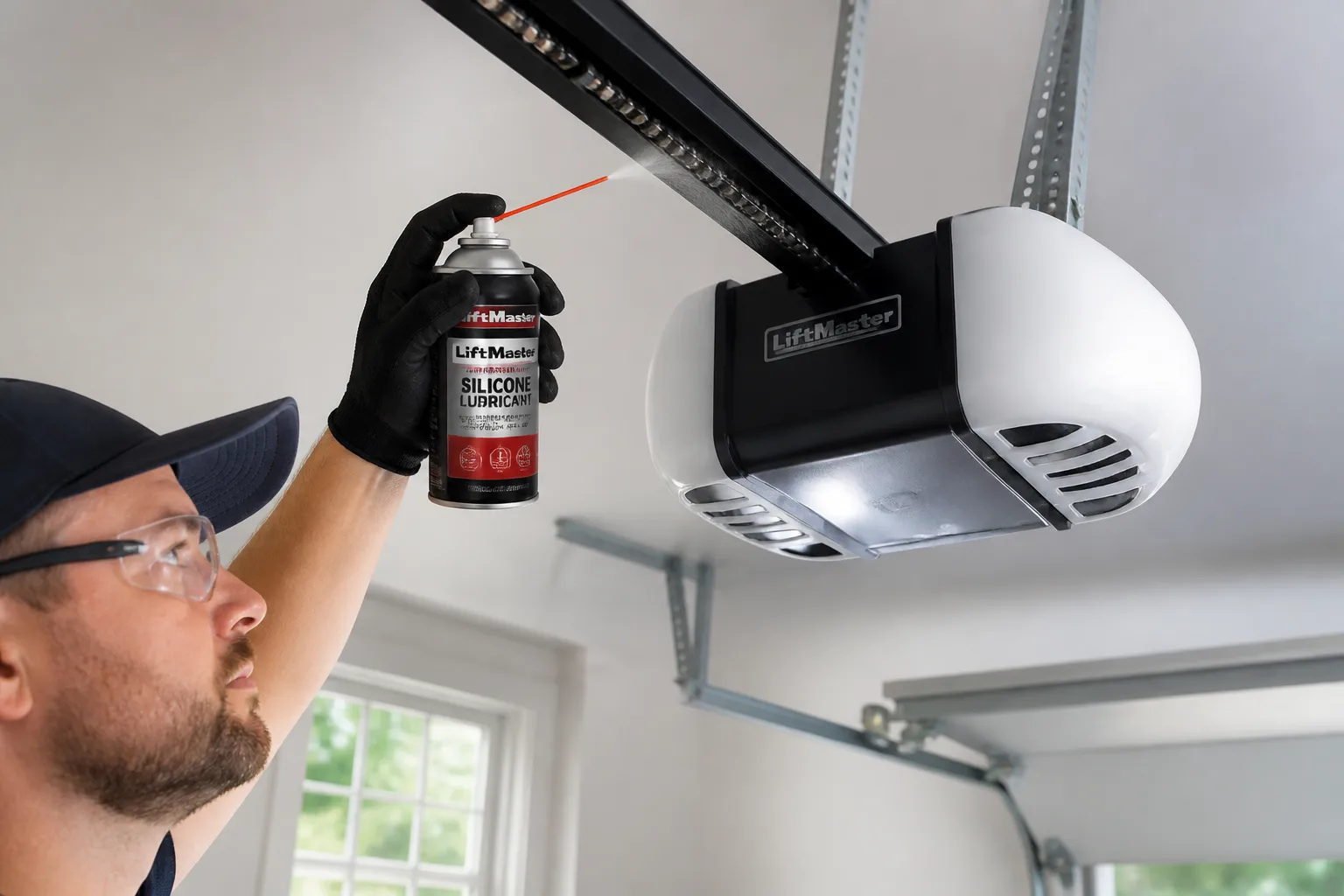
Want to extend the lifespan of your motorized drive? Discover essential garage opener maintenance steps, how to test safety features, and when to call a professional for overhead garage door maintenance.
An automatic garage door opener serves as the central motorized engine for your home's heaviest moving barrier. It operates under constant mechanical strain, lifting and lowering solid wood, steel, or composite panels multiple times each day. In New England, these systems must perform reliably through intense summer humidity, freezing winter cold snaps, and salt-laden coastal air. Regular garage opener maintenance preserves mechanical components, prevents severe electric motor strain, and keeps your property safe and accessible.
When neglected openers suffer from stripped drive gears, loose chains, or misaligned sensors, attempting to fix garage door opener problems without proper technical knowledge can lead to hardware damage or physical injury. At Prime Garage Doors, our experienced professionals deliver complete tune-ups, preventative care, and emergency repairs across Greater Boston, including dedicated local support for garage door repair boston and garage door repair framingham ma. For property owners expanding their search or managing regional real estate, skilled technicians also offer trusted saratoga springs garage door repair to keep overhead doors running smoothly throughout every season.
Understanding Garage Door Opener Drive Types
Preventative maintenance begins with knowing the specific drive mechanism installed in your garage. Different opener designs require distinct inspection and care routines to maintain peak efficiency. When electrical or motor issues occur, scheduling professional garage door opener repair restores system efficiency before hardware fails.
Chain-Drive Openers
Chain-drive openers use a heavy-duty metal assembly to pull or push the trolley along a rigid steel rail. While exceptionally durable and ideal for heavy carriage house doors, metal-on-metal contact creates noticeable operational sound. Maintenance focuses on monitoring chain tension and preventing rust along the drive line.
Belt-Drive Openers
Belt-drive systems utilize a steel-reinforced rubber, polyurethane, or fiberglass belt to transport the trolley. These openers provide ultra-quiet performance, making them perfect for garages positioned beneath bedrooms or living spaces. Care involves inspecting the belt structure for fraying, stress cracks, or teeth wear without applying chemical lubricants to the belt surface.
Screw-Drive Openers
Screw-drive openers feature a threaded steel drive rod that rotates to move the trolley carriage. With fewer moving parts than chain or belt configurations, these units excel in consistent climates but require regular application of drive-specific grease along the main rod to prevent friction chatter during freezing weather.
Direct-Drive and Wall-Mount (Jackshaft) Systems
Modern direct-drive and wall-mount openers attach directly to the wall alongside the door's torsion shaft. By eliminating long overhead rails, they free up ceiling storage and reduce overall mechanical vibration. Maintenance on jackshaft systems emphasizes checking drive gear alignment, mounting stability, and electronic sensor connections.
1. Inspecting Drive Chain and Belt Tension
The drive mechanism transfers rotational power from the electric motor directly to the door carriage. Maintaining balanced tension prevents unnecessary strain on internal drive gears and rail structures. Proper tension management is essential for quick garage door repair prevention and extending overall motor life.
- Checking for Drive Slack: Inspect the chain or belt while the door is fully closed. A properly adjusted drive displays a slight, natural sag near the midpoint of the steel rail. Excess slack allows the drive to slap against the metal housing, generating harsh noise and accelerating internal gear wear.
- Preventing Over-Tightening: Tightening a belt or chain too rigidly exerts excessive lateral force on the motor shaft and drive pulley. This added resistance causes motor overheating and premature gear failure. Adjust the tension nut on the rail assembly following the equipment manufacturer's specifications.
- Monitoring Rail Alignment: Ensure the central steel rail remains straight and firmly anchored to the header bracket above the garage opening. Loose header mounts cause the rail to flex under load, misaligning the drive line.
2. Essential Safety Sensor and Reversal Testing
Modern electric openers incorporate mandatory reversing mechanisms engineered to protect children, pets, and vehicles from severe impact injuries. Per safety standards highlighted by the U.S. Consumer Product Safety Commission (CPSC safety guidance), maintaining functional auto-reverse features is essential for every residential overhead door system.
Photo-Eye Infra-Red Sensor Verification
Safety photo-eyes are positioned on opposite sides of the door opening, mounted low to the ground along the garage door track system. They project an invisible beam across the threshold:
- Clean the Lenses: Dust, cobwebs, and road salt spray can block the optical lenses. Wipe them clean using a soft, dry micro-fiber cloth.
- Check Alignment: Indicator lights on both sensor bodies should glow steadily. Blinking or unlit LEDs indicate optical misalignment or damaged low-voltage wiring.
- Perform the Obstruction Test: Initiate the closing cycle using the wall station. Wave a long object, such as a broom handle, through the light beam path. The door must immediately stop its downward travel and reverse to the fully open position.
Mechanical Contact Reversal Test
The mechanical force setting determines how much physical resistance the motor tolerates before stopping downward motion:
- Position the Test Block: Lay a solid wood block or 2x4 flat on the concrete floor directly under the center path of the garage door.
- Activate the Opener: Press the button to close the door completely.
- Observe System Response: When the bottom weather seal touches the wood block, the opener must automatically sense the obstacle and reverse direction within moments. If the opener crushes the wood, strains, or continues pushing against the floor, the downward force sensitivity dials on the motor chassis require immediate professional adjustment.
3. Safe Lubrication Practices for Moving Hardware
Applying proper lubrication reduces friction, dampens operating noise, and extends the service life of both the motor and door hardware. However, using the wrong lubricants or applying product to improper surfaces causes severe operational issues.
Where to Apply Lubricant
Use a high-grade professional silicone or white lithium garage door spray to protect metal-on-metal moving joints:
- Hinges: Coat the pivot points on steel leaf hinges. (Do not lubricate plastic hinges or nylon sleeve inserts.)
- Roller Bearings: Spray directly into the open ball bearing races located at the center of steel rollers.
- Torsion Springs and End Bearing Plates: Apply a moderate layer of spray lubricant along the outer coils of high-tension torsion springs to prevent coil friction binding and surface corrosion.
- Opener Drive Rail: Apply a thin layer of drive grease along the top friction lip of chain or screw drive rails where the trolley carriage slides.
Where NOT to Lubricate
Never apply spray grease, oil, or silicone to the following areas:
- Inside the Garage Door Track System: Never apply grease or oil inside the channels of the garage door track system. Lubricant inside the track collects dust, grit, and road salt, forming a thick paste that causes rollers to slip, slide sideways, or jump off track entirely. Keep the internal track channels clean by wiping them out with a dry rag.
- Rubber Drive Belts: Never spray lubricant onto a belt-drive opener's belt. Chemicals degrade the rubber compounds and cause the drive pulley to slip out of synchronization.
4. Electrical Components and Control System Checks
A garage opener relies on precise electrical signals and logic circuits to manage travel limits and remote access signals.
Remote Controls and Wireless Keypads
Weak batteries in remote transmitters or exterior keypads cause intermittent operation and poor signal range. Replace transmitter batteries annually to prevent unexpected lockouts. Clean remote battery contacts if white oxidation is present.
Wiring and Terminal Connections
Inspect the low-voltage bell wire running from the motor head to the wall control console and optical sensors. Check that wire staples have not pinched the insulation and that quick-connect terminals behind the motor housing remain seated firmly.
Travel Limit and Force Setting Calibrations
Over time, door settling and spring wear alter how far the door travels along the rail. If the door bounces off the floor when closing, or stops several inches above the ground when opening, the mechanical limit switches or digital travel limits on the opener chassis require recalibration.
5. Preparing Your Garage Opener for New England Seasons
Temperature swings across Greater Boston place unique thermal demands on electro-mechanical equipment. Cold snaps in cities like Newton, Cambridge, Somerville, Quincy, Brookline, Medford, Malden, Waltham, Arlington, Belmont, Newton Highlands, Dedham, and Watertown cause metal components to contract and lubricants to thicken.
- Winter Cold Preparation: As temperatures drop, hardened grease inside the motor housing increases resistance. Apply fresh low-temperature lithium lubricant to drive screws and torsion springs before winter hits. Check bottom seal flexibility so ice does not freeze the door panel to the concrete floor, which can burn out opener motor capacitors when operated.
- Spring and Summer Humidity: High humidity accelerates oxidation on unpainted steel brackets, opener rails, and chain links. Regular application of moisture-displacing silicone lubricant prevents surface rust from causing mechanical drag.
- Salt Air Defense: Coastal properties in Cambridge, Quincy, and Boston experience salt air exposure. Periodically wipe down metal drive rails and chassis covers to clear corrosive salt residues.
Safety Warning: High-Tension Component Hazards
While basic opener inspection, photo-eye cleaning, and hinge lubrication are safe homeowner tasks, never attempt to adjust, repair, or disconnect high-tension mechanical hardware. Counterbalance torsion springs, extension springs, lift cables, bottom corner brackets, and winding cones operate under extreme physical pressure. Handling high-tension components without professional training and specialized tools can result in severe structural damage or severe bodily injury. Always rely on experienced technicians for structural overhead door repairs.
Key Takeaways for Garage Opener Maintenance
Routine garage opener maintenance protects your home's security, keeps motor components running smoothly, and prevents unexpected mechanical failures. By checking drive tension, verifying safety reversal systems, cleaning sensor lenses, and lubricating hardware correctly, you ensure safe, quiet operation throughout every season in New England.
- Inspect chain or belt drive tension to maintain a natural, slight sag without over-tightening.
- Test safety photo-eyes and mechanical contact auto-reversal features twice per year.
- Lubricate moving hinges, roller bearings, and springs—never apply lubricant inside the garage door track system channels.
- Keep track channels clean by wiping away dust, dirt, and road salt residue with a dry cloth.
- Contact experienced professionals immediately for repairs involving high-tension springs, lift cables, or deep motor failures.
If your electric opener is straining, making grinding noises, or failing its safety checks, do not put your family's safety at risk. Request a Free Estimate from Prime Garage Doors or Call Now at (844) 321-0914 to schedule fast, same-day service with our experienced professionals.
Frequently asked
- How often should garage door opener maintenance be performed?
- It is recommended to inspect and maintain your garage door opener system at least twice a year, ideally before major New England weather transitions in spring and fall. Regular operational checks on safety sensors, drive line tension, and hardware help prevent sudden motor strain and mechanical wear. For complete preventative care, experienced professionals can perform thorough system tune-ups.
- Should I lubricate the inside of the garage door track system?
- No, you should never apply spray grease or oil inside the channels of the garage door track system. Lubricant inside the tracks collects dirt, dust, and debris, creating a thick residue that causes rollers to slip or jump off track. Keep the internal track channels clean by wiping them out with a dry cloth, reserving spray lubricant exclusively for moving hinges, metal roller bearings, and drive rails.
- What should I do if my garage door photo-eye sensors are misaligned?
- First, carefully wipe the optical lenses with a dry microfiber cloth to clear away dust, cobwebs, or salt residue, and verify that both indicator lights glow steadily. If the lights blink or the door stops and reverses without an obstruction, check for loose wiring or visible misalignment along the garage door track system. If cleaning and realigning do not resolve the issue, contact our team for rapid support and same-day service availability.
- What is the difference between chain-drive and belt-drive openers?
- Chain-drive openers utilize a heavy-duty metal assembly to transport the trolley, offering high durability for heavy doors at the expense of operational noise. Belt-drive systems use a flexible, steel-reinforced belt to provide ultra-quiet performance, making them ideal for garages positioned beneath bedrooms. Both designs require routine tension monitoring and operational checks to maintain peak efficiency.
- When should I call a professional for garage opener issues?
- You should call a professional if your opener fails automatic safety reversal tests, makes severe grinding noises, or experiences electrical logic board failures. Additionally, any problems involving high-tension counterweights, springs, or off-track doors require immediate professional assistance to avoid severe physical safety hazards. We offer free estimates and 24/7 phone support to resolve your door concerns safely.