
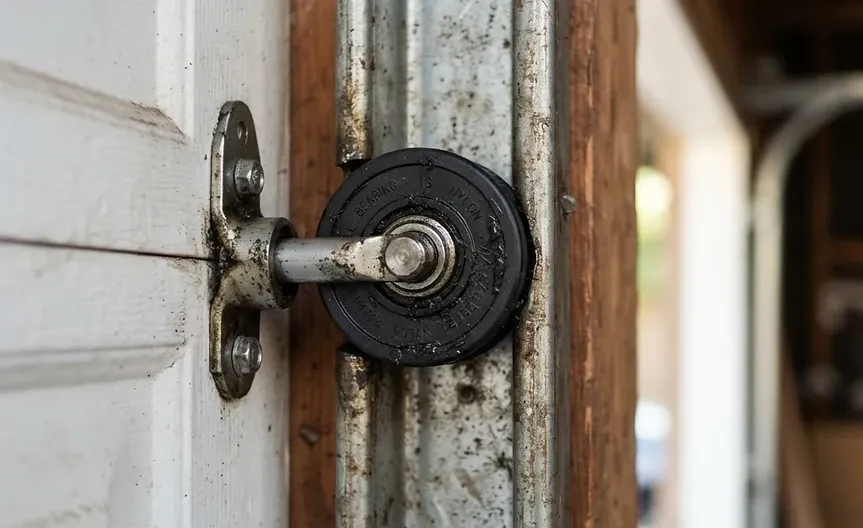
Garage Door Roller Replacement in Greater Boston
Eliminate noise, vibration, and sticking tracks with high-performance nylon or steel rollers installed by experienced professionals.
Garage door roller replacement removes worn, cracked, or rusted track wheels and replaces them with smooth, high-grade nylon or steel rollers. Over time, friction, continuous weight, and New England weather cause roller bearings to degrade, resulting in loud screeching, shuddering motion, or off-track door emergencies.
You need prompt roller replacement when your garage door screeches during travel, hesitates along the vertical tracks, or causes excessive vibration inside adjacent living spaces. Prime Garage Doors provides same-day service available throughout Boston, Cambridge, Somerville, Newton, Quincy, and Brookline to restore effortless door operation.
What's included
- High-grade sealed ball-bearing nylon & steel rollers
- Same-day service available in Greater Boston
- Free estimates on full roller upgrades
- Comprehensive track check & balance inspection
Signs you need this service
- Loud squeaking, grinding, or popping noises when the door moves
- Visible cracks, chips, or flat spots on plastic or nylon rollers
- Door shaking or vibrating noticeably along vertical tracks
- Rollers binding, dragging, or failing to turn during travel
- Rollers slipping out of track channels or hanging crookedly
- Automatic garage door opener laboring or humming excessively
Common Garage Door Roller Problems
Rollers serve as the primary guide wheels allowing your garage door sections to travel smoothly up and down the steel tracks. When rollers deteriorate, they disrupt the balance and mechanics of your entire overhead door assembly.
Worn Garage Door Rollers
Plastic and unsealed metal rollers naturally wear thin over thousands of cycles. As the outer wheel thins or develops flat spots, the door sags and struggles to slide fluidly, putting unequal stress on hinges and cables.
Cracked or Damaged Rollers
Temperature swings across Greater Boston can cause budget plastic rollers to crack or shatter under strain. Cracked rollers drag rather than roll, leading to sudden mechanical jams.
Noisy Garage Door Rollers
Metal-on-metal screeching, harsh squeaking, and heavy grinding noises usually mean roller bearings have lost internal grease or seized completely, creating immense track friction.
Rollers That Stick or Bind
Corrosion, rust, and dirt buildup inside non-sealed roller stems cause wheels to lock up. Instead of rotating inside the track channel, binding rollers scrape along the steel rails.
Rollers Coming Out of the Track
Worn roller stems can snap or slip free from hinge brackets. When a roller pops out of its track guide, the door can hang crookedly, creating a dangerous condition that demands immediate attention.
Types of Garage Door Rollers
Choosing the right roller style directly impacts how quietly and smoothly your overhead door runs.
Nylon Garage Door Rollers
Nylon rollers feature a durable nylon wheel surrounding steel internal components. They run smooth, resist moisture rust, and dramatically reduce operational sound.
Steel Garage Door Rollers
Steel rollers offer high load capacity for heavier commercial doors or insulated double-car garage doors. While sturdier, unsealed steel rollers produce more ambient noise.
Ball-Bearing Garage Door Rollers
Premium rollers utilize 10 to 13 sealed steel ball bearings inside the wheel core. Sealed bearings keep dirt out, lock lubrication in, and deliver a smooth glide for over 10,000 to 20,000 door cycles.
Specialty Garage Door Rollers
Specialty stems and custom diameter wheels are designed for custom carriage house doors, extra-tall residential garages, or commercial overhead doors with wide track channels.
Nylon vs. Steel Garage Door Rollers
Selecting the best roller material depends on your door weight, noise tolerance, and budget preferences.
Benefits of Nylon Rollers
- Ultra-Quiet Performance: Dampens up to 75% of track noise compared to standard steel wheels.
- Corrosion Resistance: Perfect for coastal humidity in Quincy or damp New England winter garages.
- Smooth Operation: Nylon glides cleanly without wearing down galvanized steel track channels.
Benefits of Steel Rollers
- Maximum Weight Capacity: Supports heavy custom wood doors without wheel distortion.
- Long-Term Durability: Resists severe impacts and heavy daily cycling.
Which Roller Type Is Right for Your Garage Door?
For most homes in Cambridge, Somerville, and Brookline, high-cycle nylon rollers with 13-ball sealed bearings provide the ideal balance of whisper-quiet travel and long-lasting durability.
What Causes Garage Door Rollers to Wear Out?
Understanding roller failure helps you address issues before major opener or track damage occurs.
Normal Wear and Tear
The average residential door opens 1,200 to 1,500 times per year. Over time, friction degrades internal bearings and flattens wheel edges.
Lack of Lubrication
Unsealed rollers require regular silicone-based lubrication. Operating dry rollers speeds up bearing friction and causes rapid mechanical failure.
Damaged or Misaligned Tracks
Bent, pinched, or out-of-plumb vertical tracks force rollers to bind against rail walls, causing uneven wear patterns and broken roller stems.
Excessive Door Weight
Heavy custom overlay doors put extra pressure on lower roller hinges, shortening their useful service life if undersized factory rollers were installed.
Low-Quality Rollers
Standard builder-grade nylon-coated or plastic rollers lacking internal ball bearings often fail after just two to three years of daily usage.
Should All Garage Door Rollers Be Replaced at Once?
When one roller fails, the remaining wheels are usually near the end of their operational lifespan as well.
When Full Roller Replacement Makes Sense
Replacing the complete set (typically 10 to 12 rollers) ensures consistent height alignment, balanced weight distribution, and uniform travel speed. Upgrading the full door at once saves labor costs compared to repeated individual service calls.
When Individual Roller Replacement May Be Enough
If a single roller suffered isolated mechanical impact damage while the rest of the high-grade nylon set remains in pristine shape, a targeted replacement may be suitable.
Why the Entire Track System Should Be Inspected
During roller replacement, experienced professionals evaluate spring balance, cable tension, track spacing, and hinge wear to guarantee your door operates reliably.
Benefits of Replacing Worn Garage Door Rollers
Investing in fresh garage door rollers delivers immediate improvements to your home's functionality.
Quieter Garage Door Operation
Modern nylon rollers eliminate harsh screeching, keeping early morning departures quiet for bedrooms located above or beside the garage.
Smoother Door Movement
New ball-bearing rollers glide effortlessly, preventing door shaking, shuddering, and jerky track movement.
Less Strain on the Garage Door Opener
By eliminating track drag, your automatic opener draws less electrical amperage and experiences reduced motor and belt gear wear.
Reduced Track Wear
Properly turning wheels prevent hard steel stems from chewing into aluminum and galvanized steel track channels.
Longer Garage Door System Life
Smooth, friction-free movement protects hinges, cables, torsion springs, and track brackets from premature failure, extending the life of your entire door setup.
How the visit works
- 01
Comprehensive Track & Roller Inspection
We evaluate all rollers, hinges, track channels, and spring balance across your door system to pinpoint wear and misalignment.
- 02
Safe Door Securing & Part Selection
We safely clamp and support door sections before removing hinge hardware and selecting heavy-duty steel or high-cycle nylon rollers.
- 03
Precision Installation & Stem Adjustment
Each worn roller is removed and replaced, ensuring proper stem depth inside hinge sleeves for smooth clearance along track curves.
- 04
Track Alignment & Quiet Test Run
We align track channels, apply professional lubricant to non-sealed points, and perform multi-cycle testing for silent, smooth operation.
Roller Replacement — questions we hear
- How long do garage door rollers typically last?
- Standard plastic or unsealed steel rollers generally last 3 to 5 years. High-grade nylon rollers equipped with sealed ball bearings can last 10 to 15 years depending on usage frequency and maintenance.
- Are nylon garage door rollers better than steel rollers?
- Nylon rollers are significantly quieter and resist coastal rust, making them ideal for most Greater Boston homes. Steel rollers handle heavier industrial or thick timber doors where high weight capacity is essential.
- Should I replace all garage door rollers at the same time?
- Yes. Rollers experience equal wear over time. Replacing the complete set restores consistent door alignment, smooth track movement, and prevents repeated service visits.
- Why is my garage door screaming or grinding when it opens?
- Grinding or screaming noises occur when roller bearings dry out, seize, or wear down to raw metal scraping against steel tracks. Installing fresh sealed nylon rollers resolves this immediately.
- How can I schedule a garage door roller replacement service?
- Contact Prime Garage Doors at (844) 321-0914 to speak with our 24/7 phone support team and Request a Free Estimate with same-day service available across Boston and surrounding communities.