
Buying Guides
How-to guideWholesale Garage Door Parts Near Me: Top Distributors & Supply
October 22, 2026 · Prime Garage Doors
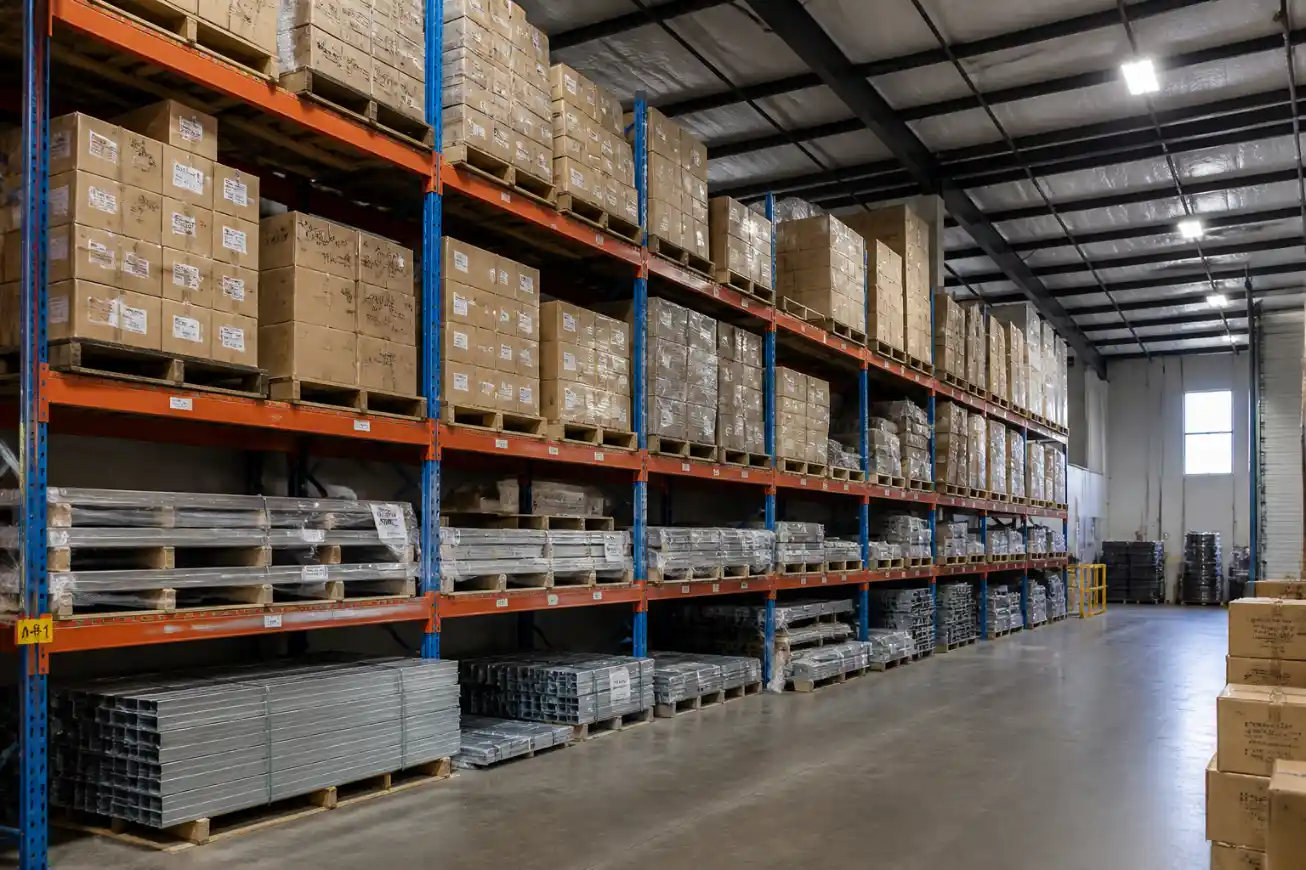
Searching for wholesale garage door parts near me? Discover the leading commercial distributors, top bulk suppliers for torsion springs, and tips to lock in contractor pricing.
Sourcing wholesale garage door parts near me requires understanding exact component specifications, hardware compatibility, and structural weight distribution before placing an order. Property managers, facility maintenance teams, and homeowners must verify manufacturer model numbers, steel gauge thickness, and cycle ratings to ensure replacement parts fit safely. Working with commercial suppliers or scheduling service with experienced professionals ensures your overhead door system operates smoothly and securely across every season.
Understanding Overhead Door Component Sourcing and Hardware Dynamics
An overhead garage door is a heavy mechanical assembly relying on balanced counterweight systems, precise tracking, and motorized drive units. When searching for wholesale suppliers or regional distributors, property managers and maintenance teams must navigate a wide landscape of replacement components. Procurement decisions directly impact door safety, operating smoothness, and long-term durability. Ordering direct components for routine maintenance or internal inventory requires accurate technical knowledge to match exact physical dimensions, structural weight requirements, and cycle expectations.
Direct wholesale purchasing serves commercial facility managers, residential property groups, and trade contractors who maintain their own hardware inventory. However, direct hardware purchasing differs significantly from standard consumer retail buying. Consumer outlets typically offer generalized, universal-fit items suited for light cosmetic repairs. In contrast, wholesale distributors supply original equipment manufacturer (OEM) hardware engineered for specific door weights, shaft sizes, and high-frequency opening cycles. Choosing incorrect components can cause severe mechanical drag, structural binding, or premature component failure.
In New England, local weather variations add an extra layer of complexity to hardware selection. Properties across Greater Boston—including Cambridge, Somerville, Newton, Brookline, and Waltham—face freeze-thaw cycles, humid summers, and heavy road salt exposure during severe winter weather. Raw steel hardware contracts in sudden cold snaps, increasing stress on winding cones, hinges, and track brackets. Coastal salt air accelerates oxidation on non-galvanized cables and lower track sections. When sourcing wholesale parts, selecting high-cycle, galvanized, or heavy-gauge hardware helps prevent sudden system failure and extends operational life.
Signs of Hardware Wear and What to Inspect First
Before contacting a commercial supply distributor or ordering online, conduct a careful visual inspection of the non-tensioned elements of your overhead door system. Identifying specific failure signs ensures you order the exact replacement hardware needed for your door style.
- Roller Wear and Bearing Separation: Worn nylon or steel rollers develop flat spots, crack along the outer sleeve, or wobble due to degraded internal ball bearings. Flawed rollers cause noisy operation and uneven travel.
- Cracked or Bent Hinge Plates: Heavy use causes fatigue stress around the pivot holes of numerical end and center hinges (#1, #2, or #3 hinges). Fractured hinges allow panel sections to sag or bind during travel.
- Frayed Lift Cables: Counterweight cables exposed to salt or moisture exhibit rusty strands, fraying near the bottom lift brackets, or improper alignment along the cable drums.
- Track Misalignment and Section Debris: Dents, rust buildup, or widened channels along the garage door track system force rollers out of alignment, leading to door jamming.
- Opener Drive Wear: Stripped drive gears, loose drive belts, worn sprockets, or unaligned safety sensors prevent electric openers from lifting overhead doors consistently.
Gather essential details before placing an order. Collect stamped hinge numbers, panel section thickness, drum part numbers, track width, and opener logic board serial numbers. Keeping a detailed inventory of system specifications makes communicating with wholesale parts distributors faster and avoids costly shipping errors or job delays.
Step-by-Step Guide to Identifying and Sourcing Replacement Garage Door Components
Step 1: Document Damaged Components and System Architecture
Examine the overall overhead door configuration to determine component types. Visually inspect non-tensioned hardware, including end hinges, center hinges, top fixtures, roller stems, and track mounting brackets. Note whether your system utilizes a standard radius track, high-lift assembly, or vertical-lift commercial setup. Take clear photographs of damaged items alongside a measuring tape to capture overall length, stem diameter, and bracket hole patterns for reference.
Step 2: Locate Manufacturer Labels and Stamped Part Numbers
Locate the structural data label typically placed on the inside end stile of garage door panel sections. This label contains the manufacturer name, model number, section weight class, and production date. Inspect individual steel hinges, bearing plates, and track brackets for stamped numbers. Opener components, such as logic boards, drive gears, and capacitor assemblies, feature serial tags on the main motor housing beneath the light cover.
Step 3: Verify Hardware Specifications and Duty Ratings
Match replacement hardware to the specific duty cycle required for your facility or residential property. Standard residential hardware typically uses lighter gauge steel and standard bearing rollers rated for lower cycle counts. Commercial doors and high-use residential buildings require heavy-duty steel hinges, sealed ball-bearing rollers, and reinforced commercial track sections. Confirming steel gauge, shaft diameter, and cycle ratings prevents installing under-rated components that fail prematurely.
Step 4: Compare Direct Wholesale Procurement with Professional Service
Evaluate whether direct parts purchasing or full professional repair is the best solution for your current breakdown. While ordering hardware directly suits facility teams replacing worn rollers or basic accessories, complex failures demand specialized tools and technical expertise. When property managers need to fix garage door failures quickly without risking structural damage, scheduling professional repair eliminates the trial-and-error of ordering parts independently.
Step 5: Verify Regional Distributor Availability and Lead Times
Contact local hardware distributors to check inventory levels, minimum order quantities, and pickup policies. Verify whether the distributor stocks OEM replacement parts or certified aftermarket equivalents that meet original engineering standards. Ask clear questions regarding component return policies in case part numbers are misidentified. Choosing a distributor with immediate local inventory prevents prolonged operational downtime and secures critical building access.
Step 6: Confirm High-Tension Safety Hazards Before Installation
Distinguish between accessible standard hardware and high-tension counterweight components before beginning work. Standard hinges, decorative hardware, top roller brackets, and perimeter weather seals can generally be swapped out when the door is down. However, torsion springs, extension springs, center anchor brackets, winding cones, and bottom lift brackets carry extreme kinetic tension. Never attempt to loosen or unbolt tensioned hardware without specialized training and proper winding tools.
Post-Procurement Care and Long-Term Maintenance Tips
Once replacement parts are secured and installed, establishing a routine maintenance schedule extends component lifespan and protects your overall door system investment. Harsh regional climate conditions mean overhead doors in Cambridge, Somerville, Newton, Waltham, and nearby areas require ongoing protective care.
Proper lubrication is essential for smooth mechanical operation. Apply a high-quality silicone or lithium-based garage door lubricant exclusively to moving bearings, steel roller stems, and hinge pivot pins. Never apply grease, oil, or spray lubricants inside the garage door track system channels. Lubricant inside track channels attracts dirt, dust, and grit, creating a sludge that causes rollers to slide rather than roll, leading to flat spots and track binding.
Clean the interior of track channels using a dry microfiber cloth to remove built-up metal dust and debris. Check track mounting fasteners, wall brackets, and opener support straps periodically to ensure structural bolts remain tight against normal operational vibration. Inspect bottom weather stripping regularly to keep rain, snow melt, and road salt from seeping under the bottom section where lower roller brackets sit.
When to Call a Professional for Hardware Replacement
While sourcing minor replacement parts is straightforward, performing mechanical repairs on heavy overhead doors carries real physical risks. Torsion springs, extension springs, lift cables, and bottom corner brackets are under immense tension. Releasing structural fasteners on tensioned components without professional winding gear can cause violent component unwinding, structural damage, or serious personal injury.
The U.S. Consumer Product Safety Commission (CPSC) warns property owners about severe impact hazards associated with high-tension overhead door hardware. If your door has snapped counterweight cables, a fractured torsion spring, or has jumped out of its vertical track, refrain from operating the system manually or automatically. Contacting experienced professionals ensures high-tension repairs are completed safely with correct OEM parts.
Property owners and commercial managers across Greater Boston rely on regional service for rapid hardware solutions. If you need reliable garage door repair boston services, professional technicians carry fully stocked inventory vehicles containing high-cycle springs, heavy-duty rollers, and commercial cables. Similarly, facilities seeking trustworthy garage door repair framingham ma can avoid part lead times by calling experienced field teams. Property managers overseeing out-of-state regional sites can also connect with dedicated experts providing saratoga springs garage door repair solutions for complex residential and commercial overhead doors.
Whether you require standard roller replacement, opener gear servicing, or total counterweight balance overhaul, professional technicians diagnose root causes, supply correct components, and verify entire door systems before finishing work. To arrange immediate service or expert component evaluation, Request a Free Estimate or Call Now to speak with our technical team.
Summary of Sourcing Garage Door Parts
Sourcing wholesale garage door parts requires precise identification of model numbers, steel gauge ratings, and component dimensions to maintain system balance and safety. While facility managers can procure standard hardware like hinges and rollers directly, high-tension counterweight assemblies should always be handled by trained technicians to avoid severe injury and structural damage.
- Identify panel model numbers, stamped hinge codes, and roller stem dimensions before placing parts orders.
- Select heavy-gauge, galvanized replacement components designed to resist harsh New England winter weather and road salt corrosion.
- Lubricate moving roller bearings and hinge pivot points strictly—keep the inside of track channels clean and unlubricated.
- Never attempt DIY disassembly or adjustment of high-tension torsion springs, lift cables, or bottom brackets.
- Partner with experienced professionals to source correct OEM parts and ensure safe installation.
If your residential or commercial overhead door needs specialized hardware replacement, spring service, or immediate mechanical repairs, trust the experienced professionals at Prime Garage Doors. Based in Watertown, MA, we provide free estimates, 24/7 phone support, and same-day service availability across Greater Boston, including Medford, Malden, Arlington, Belmont, Dedham, and Quincy. Schedule Service online or Call Now at (844) 321-0914 to speak directly with an expert.
Frequently asked
- Where can I source wholesale garage door parts in Greater Boston?
- Property managers and facility maintenance teams can source overhead door hardware through regional supply distributors or by contacting experienced garage door service providers. Prime Garage Doors assists with identifying precise OEM replacement components and offers professional repair across Greater Boston. Call Now at (844) 321-0914 to speak with a specialist or Request a Free Estimate.
- Can I replace high-tension components like torsion springs myself?
- High-tension hardware including torsion springs, extension springs, lift cables, and bottom brackets carry extreme kinetic energy and should never be replaced as a DIY project. Attempting to loosen or disconnect these parts without specialized equipment poses severe safety risks. Experienced professionals should always execute high-tension spring and cable replacements to maintain safe door operation.
- Should I apply lubricant inside the garage door track system channels?
- No, you should never apply grease or spray lubricant directly inside the garage door track system channels. Applying lubricant to the track interior collects dust and grit, causing the rollers to slide and drag rather than turn properly. Instead, apply dedicated garage door spray lubricant only to moving roller bearings, stem shafts, and hinge pivot points.
- What details are required before ordering replacement overhead door hardware?
- Before ordering replacement hardware, collect the manufacturer brand name, panel thickness, and stamped part numbers found on hinges, brackets, or bearing plates. For opener components, note the model number and horsepower rating listed on the motor housing serial tag. Providing exact specifications ensures proper hardware compatibility and prevents unnecessary operational downtime.
- How does New England weather impact garage door hardware selection?
- Freezing winter temperatures, road salt, and coastal humidity across New England accelerate metal corrosion and cause raw steel parts to contract and fatigue quickly. Selecting high-cycle, galvanized steel replacement components helps protect hardware against severe rust and temperature stress. Working with experienced professionals ensures your replacement parts are built to endure harsh seasonal weather conditions.