
Maintenance
Garage Door Repair Saratoga Springs: Local Service Guide
August 28, 2026 · Prime Garage Doors
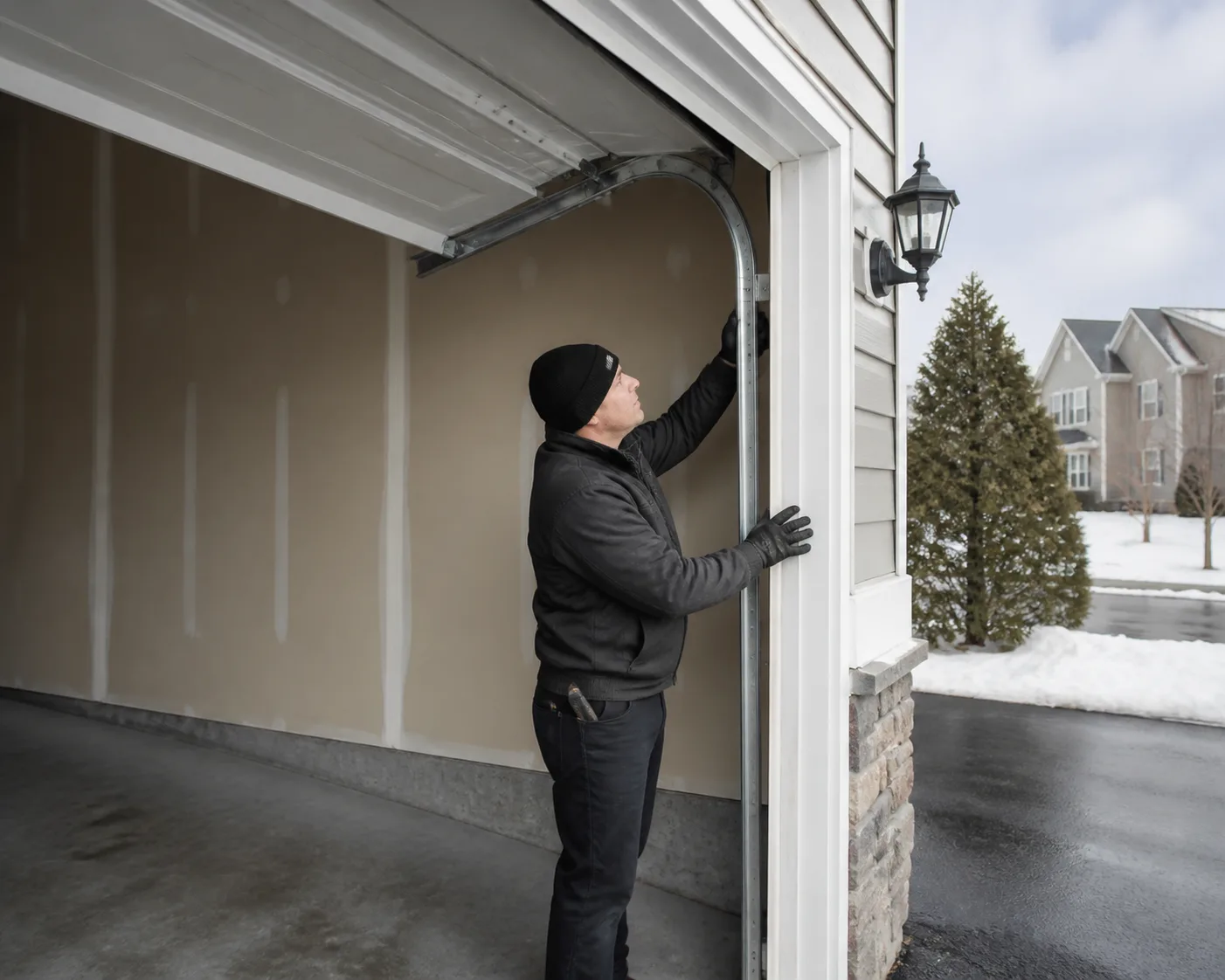
Seasonal weather and everyday wear can create spring, cable, track, roller, and opener problems for homeowners in Saratoga Springs. This local guide explains common garage door issues and when professional garage door repair Saratoga Springs is the right choice.
Getting prompt, reliable overhead door service is essential when a garage door stops functioning, gets stuck halfway, or makes alarming noises. As the largest moving component in a home, a garage door operates several times daily under heavy mechanical strain. It serves as both a primary entryway and a critical protective barrier against harsh New England weather. When any component fails, it disrupts daily routines and creates safety hazards for vehicles and family members.
Professional repair services restore smooth, quiet operation while addressing mechanical strain before minor issues escalate into total system failures. Whether a broken spring leaves a car trapped inside or worn components cause heavy grinding, experienced professionals provide thorough visual diagnostics and safe solutions. Prime Garage Doors offers free estimates, 24/7 phone support, and same-day service availability across Greater Boston.
Common Mechanical Garage Door Problems
Overhead garage door systems rely on an interconnected network of counterbalancing springs, steel cables, hinged panels, tracks, and automatic openers. Because these components work in continuous synchronization, wear on one part rapidly accelerates strain on surrounding hardware.
Broken Torsion and Extension Springs
The spring assembly counterbalances the heavy weight of the garage door panels, allowing the opener motor or a person opening the door manually to lift heavy sections smoothly. Overhead systems typically utilize two main spring configurations:
- Torsion Springs: Mounted horizontally on a steel shaft directly above the door frame. As the door closes, these high-tension coils wind tightly to store energy, releasing force to lift the door when opened.
- Extension Springs: Mounted along the upper horizontal sides of the garage door track system. These springs stretch along the tracks to store energy as the door lowers and contract as it opens.
Garage door springs are rated for a limited number of operational cycles. Over years of daily use, metal fatigue weakens the steel. Cold snaps and severe weather common to New England winters place additional thermal stress on fatigued metal, making sudden spring breakage more likely. A broken spring often creates a loud bang inside the garage. Once a spring snaps, professional garage door spring repair becomes essential, as the door loses its counterbalance system, rendering it far too heavy to lift safely.
Garage Door Track System Misalignment and Roller Wear
The garage door track system guides the rollers attached to each door section, ensuring the panels move smoothly along a straight vertical-to-horizontal path. If the tracks become bent, warped, or knocked out of alignment, the door sections will bind, shudder, or slip out of position.
Track issues frequently stem from loose mounting brackets caused by operational vibration, accidental vehicle impacts, or structural building shifts. In addition, rollers traveling inside the garage door track system deteriorate over time. Standard roller bearings wear down, crack, or develop flat edges. Damaged rollers generate loud screeching or grinding noises while placing heavy strain on the opener motor and lift cables. Professional garage door track repair services realign the garage door track system and replace degraded rollers to maintain smooth, balanced travel.
Frayed or Snapped Lift Cables
Heavy-duty steel cables work directly alongside the spring counterbalancing system. On a torsion spring setup, cables wrap around calibrated aluminum drums located at each end of the overhead shaft, pulling the bottom corner brackets of the door upward. On extension spring setups, pulleys guide the cables along the sides of the horizontal tracks.
Continuous tension, exposure to humidity, and high operational cycles can cause individual steel strands within the cable to fray, rust, or separate. If a cable snaps or slips off its drum, the door loses balance instantly. The entire door panel assembly can shift diagonally, jamming tightly within the garage door track system and risking severe panel damage.
Opener Mechanical and Electrical Malfunctions
Modern automatic garage door openers combine electric drive motors, drive assemblies (chain, belt, or screw drives), circuit logic boards, and safety sensors. When issues arise and a garage door won't open, common operational problems with openers include:
- Motor runs without moving the door: This typically indicates a stripped drive gear inside the motor housing, a broken drive belt, or a disconnected trolley assembly.
- Door reverses immediately after touching the floor: Often caused by misadjusted limit switches or force settings on the opener motor unit.
- Opener lights flash while the door refuses to close: This diagnostic warning signal indicates misaligned, obstructed, or damaged safety sensors positioned near the base of the door frame.
- Intermittent remote control response: Frequently linked to radio frequency interference, depleted remote batteries, damaged receiver antenna wires, or logic board failure.
Critical Safety Warnings for High-Tension Hardware
Safety must always remain the top priority when addressing overhead garage door problems. Garage door springs, lift cables, cable drums, center bearing plates, and bottom corner brackets operate under extreme mechanical tension equal to the full weight of the door panels.
According to explicit safety warnings issued by the U.S. Consumer Product Safety Commission (CPSC), attempting do-it-yourself repairs or modifications on high-tension overhead door hardware carries severe risks of high-velocity component failure and sudden impact injuries. Homeowners should never attempt to loosen, adjust, unwind, or remove torsion springs, winding cones, lift cables, or bottom bracket assemblies. Experienced professionals possess specialized tools, heavy-duty clamps, and technical training required to manage high-tension hardware safely.
Proper Care and Lubrication Guidelines for Homeowners
While high-tension component replacements must always be left to trained technicians, homeowners can perform simple routine care to support quick garage door repair prevention, extend hardware service life, minimize operational noise, and protect metal parts from rust caused by seasonal humidity changes.
Proper lubrication reduces friction between moving metal surfaces. However, applying the wrong product or applying lubricant to incorrect components can gather dirt, gum up mechanical assemblies, and lead to binding problems.
Where to Apply Lubricant
Use a specialized synthetic garage door spray lubricant or high-grade silicone lubricant. Avoid thick chassis grease or general household oils, as these attract airborne dust and turn gummy over time.
- Hinges: Apply a light spray to the metal hinge pivot points joining each horizontal door section. Avoid lubricating plastic hinge sleeves if present.
- Rollers: Direct a small amount of lubricant into the exposed inner ball bearings of steel or nylon rollers. Do not spray non-bearing plastic rollers.
- Spring Coils: Lightly coat the full length of torsion spring coils. This reduces coil friction as the spring winds and unwinds while protecting raw steel from surface oxidation.
- Bearing Plates and Pulleys: Apply spray lubricant to the end bearing plates at the top corners of the frame and the ball bearings inside extension spring pulleys.
What Never to Lubricate
Never apply grease, spray oil, or silicone inside the channel paths of the garage door track system. Applying lubricant inside track channels causes severe operational issues. The sticky residue gathers airborne dust, grit, and garage debris, building up a thick sludge layer that forces the rollers to skid and slide rather than roll smoothly. This skidding creates flat spots on the rollers and can cause the door to slip off track.
Instead of applying lubricant inside the garage door track system, clear out dirt, cobwebs, and debris by wiping the inner channels thoroughly using a clean, dry cloth.
When to Call Experienced Professionals for Service
Knowing when to delegate repairs to qualified technicians prevents personal injury and avoids costly accidental damage to your property. All structural, tension, track realignment, and motor housing repairs require professional equipment and technical expertise.
You should contact experienced professionals immediately if you notice any of the following warning signs:
- The garage door is stuck partially open, fully jammed, or hanging crookedly within the frame.
- Lift cables appear frayed, unraveled, slack, or completely detached from bottom brackets.
- The door panel sections shake violently or produce harsh grinding, popping, or screeching sounds during travel.
- Structural door panels show visible cracks, sagging, or impact damage from vehicles.
- The door drops rapidly when closing rather than maintaining controlled, steady motion.
- The automatic opener motor fails to respond or hums continuously without moving the drive assembly.
Working with experienced garage door professionals ensures straight answers and practical solutions before any work begins. With 24/7 phone support and same-day service available across Greater Boston, garage door emergencies can be handled safely, protecting your home and restoring smooth overhead access.
Key Takeaways
Maintaining a quiet, safe, and dependable garage door requires keeping the garage door track system clean and aligned, identifying early signs of component fatigue, and ensuring high-tension assemblies are serviced safely. High-tension hardware like springs and cables pose severe safety hazards and must never be adjusted by homeowners. By routinely wiping track channels clean with a dry cloth and lubricating only moving bearings, rollers, and hinges, you can protect hardware from unnecessary wear and preserve smooth daily operation.
- Recognize signs of mechanical strain, including broken springs, noisy operation, off-track travel, or flashing sensor lights.
- Never attempt to adjust or detach high-tension torsion springs, extension springs, lift cables, or bottom corner brackets.
- Keep track channels clean with a dry cloth and lubricate only moving bearings, rollers, and metal hinge pivots.
For dependable overhead door service in Greater Boston, Request a Free Estimate or Call Now at (844) 321-0914 to speak with our experienced professionals.
Frequently asked
- Why is my garage door opening halfway and stopping?
- A garage door that stops halfway may have a broken spring, obstructed tracks, or misaligned safety sensors. Cold weather can also cause mechanical components to bind or freeze. It is best to have experienced professionals inspect the balance and track alignment safely.
- Can I replace a broken garage door spring myself?
- No, homeowners should never attempt to adjust, unwind, or replace garage door springs. Torsion and extension springs operate under extreme mechanical tension and can cause serious personal injury. Contact Prime Garage Doors to have an experienced technician handle high-tension repairs safely.
- What should I do if my garage door comes off its tracks?
- If your garage door comes off track, stop operating the door with the automatic opener immediately. Forcing an off-track door can cause extensive damage to the door panels, tracks, and opener system. Contact Prime Garage Doors for prompt professional realignment and inspection.
- How do winter freezing temperatures affect garage door performance?
- Freezing temperatures can shrink metal components, thicken hardware lubricants, and put extra stress on aging springs and cables. Ice and snow near the garage entrance can also cause the bottom seal to stick to the driveway or trigger safety sensors. Routine visual checks help detect early wear before cold weather causes complete failure.
- How do I request emergency or same-day garage door repair?
- Prime Garage Doors provides same-day service availability and 24/7 phone support for urgent garage door problems. Call (844) 321-0914 anytime to speak with our team and Request a Free Estimate. Experienced professionals are ready to help resolve stuck doors, broken springs, and opener issues.