
Maintenance
Garage Door Weather Stripping Installation: Bottom, Side, and Top Seals Explained
November 20, 2026 · Prime Garage Doors
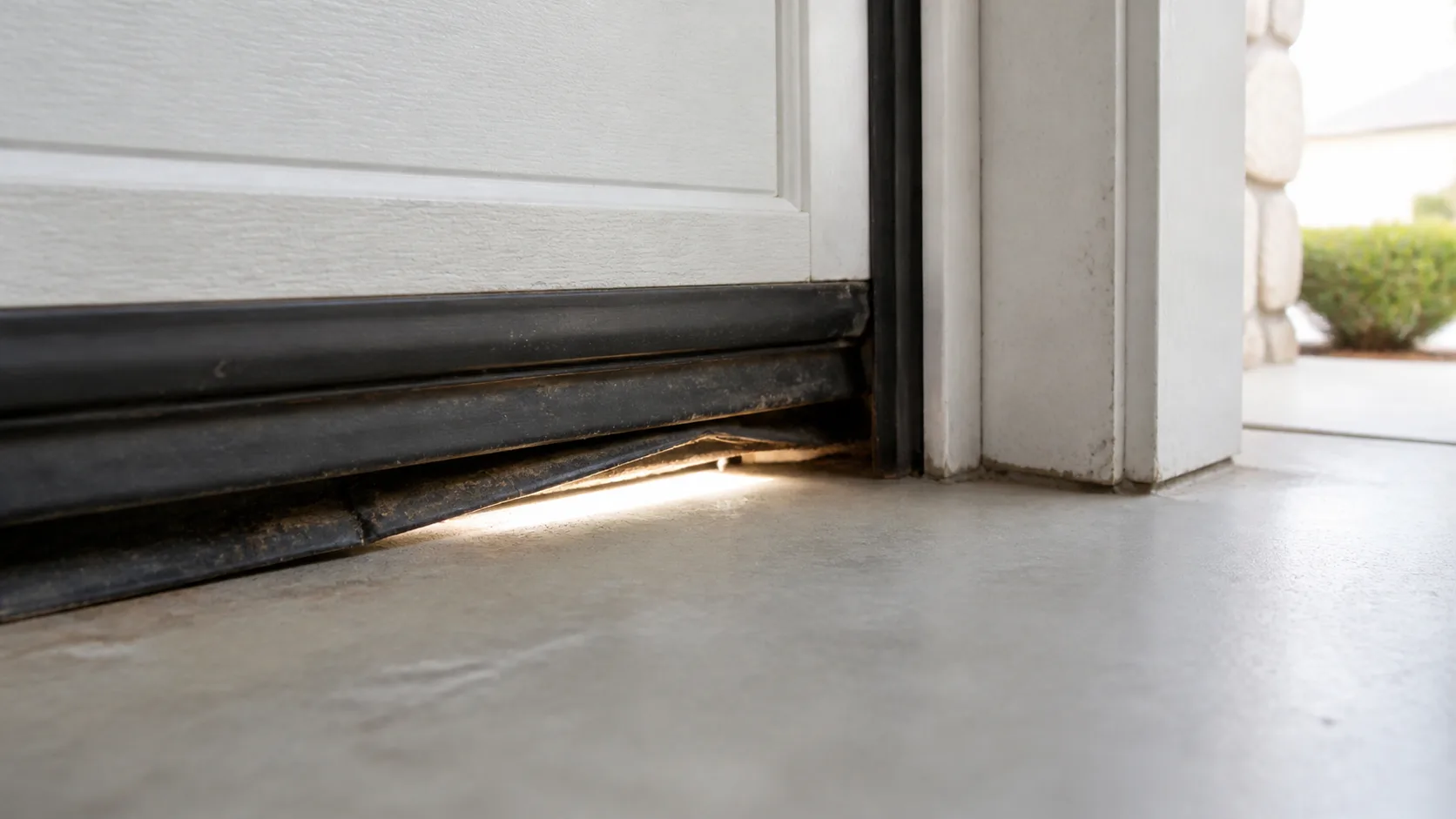
Noticing drafts, daylight, or moisture around your door? Learn how garage door weather stripping installation works for bottom, side, and top seals, how to spot worn rubber, and when gaps point to alignment or drainage issues instead
Garage door weather stripping installation involves fitting specialized rubber, vinyl, or composite seals along the bottom edge, vertical jambs, and top header of your garage door to block outdoor drafts, driving rain, road salt, and pests. A complete seal setup uses a bottom rubber astragal set into a metal or plastic retainer, combined with flexible perimeter stop molding along the exterior frame. When properly installed, these seals create a tight barrier that stabilizes garage temperatures, protects your stored items, and keeps New England snow and water from creeping beneath the door.
The Three Main Types of Garage Door Weather Stripping
Sealing an overhead door requires addressing three distinct zones where exterior air enters. Skipping any of these areas leaves gaps that undermine your garage’s thermal efficiency and comfort.
1. Bottom Door Seals (Astragal and Retainer)
The bottom seal bears the brunt of floor contact, freezing rain, and daily wear. Most modern doors feature an aluminum or PVC retainer track screwed into the underside of the bottom panel, which holds a flexible rubber or vinyl gasket (often called a U-shaped or T-style astragal). When the door closes, this hollow bulb compresses against the concrete floor to seal out surface runoff, melting snow, and insects.
2. Perimeter Side Jamb Seals
Vertical seals run along the exterior brick mold or wood framing on both sides of the opening. They typically consist of an exterior-grade vinyl or composite nailing strip with a flexible flap angled inward toward the door face. As the door travels along the garage door track system, these side flaps press gently against the panels without hindering smooth movement.
3. Top Header Seals
The top section of the door often tilts back slightly when closed, leaving a gap between the top panel and the framing header. A top weather seal mounts directly to the exterior header or the top edge of the panel itself, preventing falling leaves, wind-driven moisture, and cold air from spilling into the upper garage space.
Step-by-Step Guide to Garage Door Weather Stripping Installation
Replacing deteriorated, cracked, or brittle weather stripping is a practical improvement for any homeowner. Here is how experienced professionals approach the installation process:
- Inspect and Measure the Openings: Check along the perimeter while the door is closed. Look for daylight filtering through the corners or underneath the bottom panel.
- Remove Worn Seals and Clean Surfaces: Pull old bottom gaskets out of their retainers. If the retainer is bent or corroded, unscrew it and scrape away dirt, road grime, and adhesive remnants. Pry away deteriorated perimeter jamb molding carefully to avoid damaging the exterior trim.
- Mount the Bottom Retainer and Insert the Gasket: Fasten the replacement retainer flush across the underside of the panel. Slide the flexible rubber astragal through the retainer channels, lubricating the rubber groove with soapy water if needed to help it slide smoothly without stretching the material. Trim excess rubber, leaving a small buffer at each edge.
- Install Side and Top Stop Molding: With the door closed, position the new perimeter molding against the frame so the vinyl flap rests firmly against the panel surface without binding. Fasten the strips securely using corrosion-resistant exterior nails or screws.
- Check Door Operation: Operate the automatic opener to confirm that the door travels smoothly along the garage door track system. The seals should flex lightly against the panels without creating excessive friction or drag.
Critical Safety Warning: Avoid High-Tension Bottom Brackets
While installing perimeter trim is generally straightforward, working near the bottom of an overhead door requires extreme caution. The bottom roller brackets on residential doors are connected directly to the counterbalance lift cables. These cables remain under severe mechanical tension from the counterbalance spring system at all times.
Never loosen, unbolt, or tamper with the corner brackets or fasteners connected to the lift cables while replacing a bottom seal or retainer track. The U.S. Consumer Product Safety Commission (CPSC) warns that accidental release of high-tension garage door components can result in severe blunt-force injuries. If your bottom retainer is integrated into the structural corner hardware or if cables show signs of fraying, contact trained service professionals rather than attempting the repair yourself.
Troubleshooting Gaps: Weather Stripping vs. Door Alignment
Sometimes fresh weather stripping fails to close an uneven gap along the floor or sides. When light still shows through, the underlying issue is often mechanical rather than cosmetic:
- Uneven Concrete Floors: A floor that has settled or shifted may require an extra-thick bottom bulb seal or a specialized threshold barrier adhered directly to the slab.
- Crooked Panels or Worn Rollers: If rollers are dragging, hinges are loose, or panels are out of plumb, seals will wear prematurely. Remember that routine lubrication belongs on moving bearings, rollers, and hinges—never lubricate the inside of the track channels, as oils collect grit and impede travel.
- Cable and Spring Imbalances: A door hanging lower on one side indicates stretched cables or uneven spring tension. Trying to force the door down with oversized seals strains your opener motor.
When adjustments require realigning mechanical hardware, knowing when to call a professional keeps your home safe and functional. Homeowners dealing with persistent binding or sagging doors can rely on prompt service to fix garage door issues before winter weather sets in. Whether you need comprehensive garage door repair boston homeowners trust or targeted garage door repair framingham ma services, addressing alignment problems first ensures your new seals sit completely flush. We also support regional property owners looking for dependable saratoga springs garage door repair to prepare seasonal homes for harsh winter freezes.
Summary of Garage Door Weather Stripping Installation
Proper weather stripping shields your garage from New England cold snaps, wind-driven rain, and unwanted debris. Installing durable seals along the bottom, sides, and header creates a reliable thermal barrier that protects your belongings and reduces strain on connected living spaces.
- Bottom astragal seals compress against the floor to block water, drafts, and pests.
- Perimeter side and top molding rest against exterior panel faces to seal frame gaps.
- Never loosen or detach bottom corner brackets, as they anchor high-tension counterbalance cables.
- Only apply lubricant to moving roller bearings and hinges, keeping track channels clean and dry.
- Uneven gaps often point to mechanical alignment or cable issues that require professional attention.
If your garage door is drafty, sticking, or showing gaps around the frame, our experienced professionals are ready to help. We offer same-day service available across Greater Boston, free estimates on all repairs, and 24/7 phone support at (844) 321-0914. Call Now or Request a Free Estimate to restore a tight, dependable seal to your garage door.
Frequently asked
- How do I know when my garage door weather stripping needs replacement?
- You should replace your weather stripping if you notice cracked, brittle rubber, daylight filtering along the closed perimeter, or drafts entering the space. Pooling water, blown-in debris, or pests slipping under the bottom panel also indicate that the seals have deteriorated.
- Can I safely replace the bottom weather seal on my garage door?
- Homeowners can slide a flexible rubber astragal into an existing retainer, but extreme caution is required near the bottom corners of the door. The bottom corner brackets are under severe tension from the counterbalance cables and must never be loosened or removed during seal replacement.
- Why is light still coming through after installing new weather stripping?
- Persistent gaps usually occur because the concrete floor has settled unevenly or the door itself is out of alignment. If worn rollers or uneven cable tension cause the door to hang crooked, the issue requires professional mechanical adjustment before the new seals can sit flush.
- Should I apply lubricant to my garage door weather stripping or track channels?
- Weather stripping does not require lubricant to seal properly, though cleaning it periodically with mild soap and water helps maintain flexibility. When servicing door hardware, lubricate only the moving roller bearings and hinges, and never apply lubricant inside the garage door track system channels.
- How does complete weather stripping help protect a garage in winter?
- A complete seal system blocks freezing drafts, driving rain, and blowing snow from penetrating the perimeter of the overhead door. This thermal barrier stabilizes temperatures within the garage, protects stored belongings, and prevents corrosive road slush from seeping across the concrete floor.