
Garage Door Repair
Top 5 Garage Door Repair Tips Every Homeowner Should Know
September 17, 2026 · Prime Garage Doors
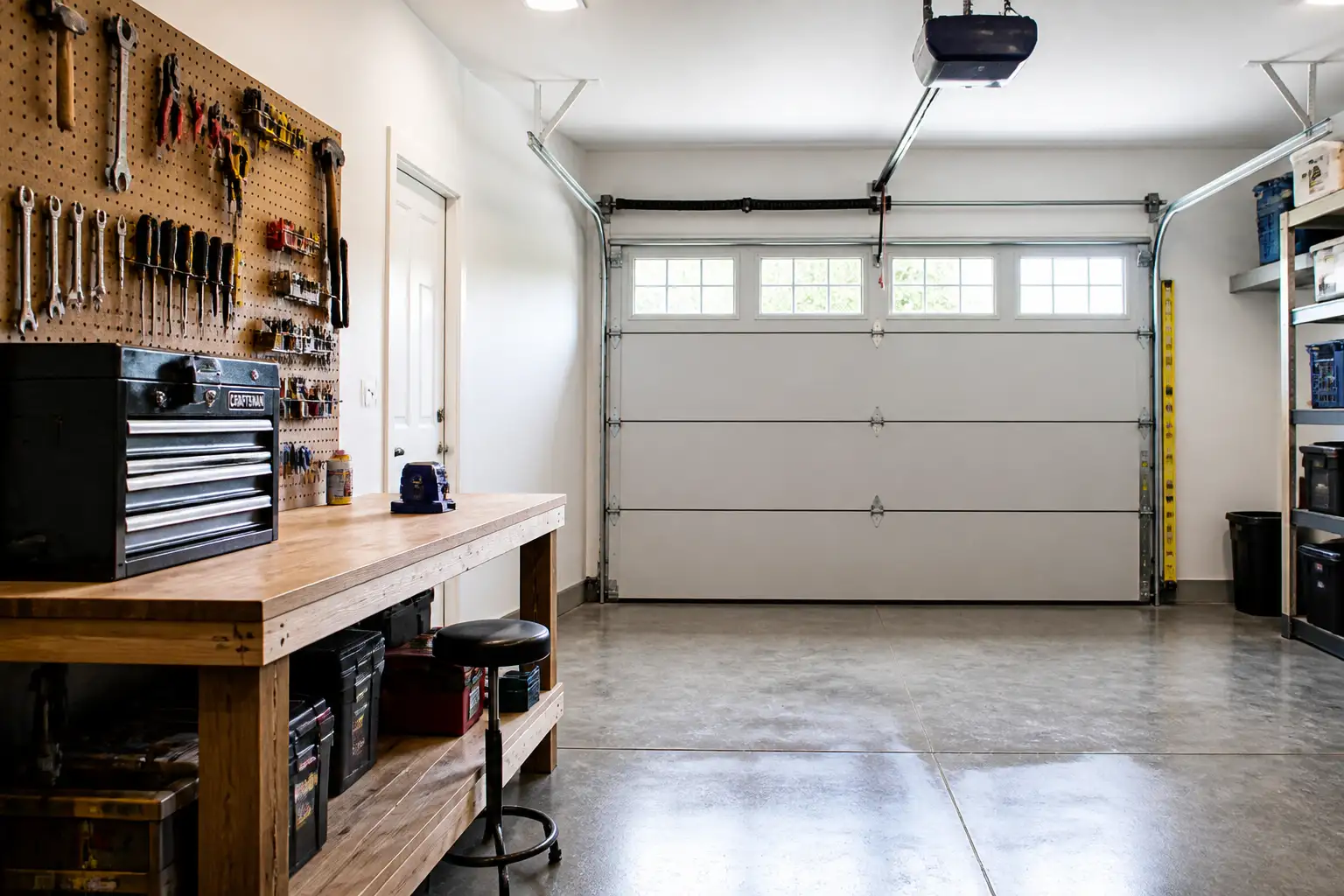
Looking for safe and effective ways to maintain your overhead door? Check out our essential garage door repair tips to fix minor squeaks, align sensors, and protect your home.
A garage door is the largest moving system in most homes, cycling open and closed thousands of times every year. In Greater Boston, rapid temperature shifts, freezing winter ice, and New England humidity put continuous strain on springs, hinges, rollers, and openers. Performing simple visual inspections and routine upkeep protects your home, prevents unexpected breakdowns, and extends the operating life of your system. Whether you need general maintenance advice, reliable garage door repair in Boston, or assistance near MetroWest through garage door repair framingham ma services, proactive care keeps your door operating smoothly.
1. Inspect and Tighten Structural Hardware
The continuous vibration created by opening and closing a heavy door over time can slowly loosen fasteners throughout the system. A typical overhead door moves along steel channels held together by dozens of bolts, brackets, and hinges. When these components loosen, panels can shift out of alignment, causing unnecessary friction and severe strain on the opener motor.
Key Hardware Connections to Check
- Track Brackets: Inspect the heavy-duty wall and ceiling brackets that secure the garage door track system to your garage frame. Ensure all mounting bolts remain tight against the framing.
- Panel Hinges: Examine the steel hinges connecting each horizontal section of your garage door. Look for loose hinge screws or signs of metal fatigue around the mounting holes.
- Roller Brackets: Check the top and bottom roller support plates to ensure the roller stems sit securely inside their sleeve housings.
- Opener Reinforcement Brackets: Verify that the attachment bracket connecting the operator arm to the top panel section is snug and fully supported.
Use standard hand tools to tighten loose nuts and bolts gently. Avoid over-tightening, which can strip screw threads or warp mounting bracket plates. Keeping hardware snug ensures smooth travel along the garage door track system and reduces excess noise during daily operation.
2. Align and Clean Safety Sensors
If your overhead door starts to close but abruptly reverses while the motor light flashes, troubleshooting a garage door opener not working often starts with photo-eye safety sensors rather than a motor failure. These optical sensors sit near the floor on each side of the garage door track system to detect objects, pets, or people in the door's path.
Step-by-Step Sensor Upkeep
- Clean the Lenses: Dust, cobwebs, lawn clippings, and road salt spray can obscure the small optical lenses. Wipe them clean using a soft, dry microfiber cloth. Avoid using harsh chemical spray cleaners directly on sensor housings.
- Verify Alignment: Ensure the optical sensors point directly at each other across the door opening. Most modern sensors display a steady, solid indicator light when properly aligned. If an indicator light blinks or stays dark, loosen the mounting bracket wing nut slightly and adjust the sensor by hand until a steady light returns.
- Inspect Wiring: Check the thin low-voltage wires running from the sensors up to the opener unit. Ensure wires are securely stapled to the wall framing and free of kinks, wire cuts, or corrosion.
3. Clean the Garage Door Track System and Lubricate Moving Parts
Homeowners often make the mistake of spraying heavy grease, motor oil, or thick lubricants inside the track channels when squeaking or grinding noises occur. Thick lubricants act as magnets for dust, dirt, and winter grit, creating a sticky sludge that binds the rollers and overloads the opener motor. Proper track care and correct lubrication methods are essential for quick garage door repair prevention and long-term operating efficiency.
Proper Track Cleaning Guidelines
Keep the inside of your garage door track system clean and completely dry. Wipe the interior surface of the channels using a damp rag lightly moistened with a mild household cleaner to lift grease deposits, dust, and debris. Never apply grease, oil, or silicone spray inside the track channels.
Where to Apply Lubricant
Apply a high-quality synthetic silicone or white lithium garage door lubricant strictly to active moving metal hardware. Lubrication should be limited to:
- Roller Bearings: Spray a small amount of lubricant directly into the internal roller ball bearings and along the metal roller stem shafts.
- Hinge Pivot Points: Apply light spray to the moving pivot pins of each center and side hinge.
- Torsion Shaft Bearings: Apply lubricant to the end bearings located at the top outer corners of the door frame where the spring shaft rotates.
- Opener Drive Chain or Screw: Apply designated drive lubricant sparingly to metal drive chains or screw drive threads according to manufacturer specifications. Avoid lubricating rubber belt drives.
4. Visually Monitor Hardware Wear and High-Tension Components
Garage door springs, lift cables, bottom corner brackets, and winding cones remain under extreme mechanical tension. The U.S. Consumer Product Safety Commission (CPSC) warns that high-tension hardware can cause severe physical injury or property damage if tampered with by untrained individuals. Homeowners should never attempt to unbolt, adjust, unwind, or repair high-tension components.
Understanding what causes garage door spring to break—such as metal fatigue from thousands of operation cycles, rust accumulation, or extreme cold snaps—helps homeowners identify warning signs early without exposing themselves to danger.
Performing a Safe Floor-Level Visual Inspection
Stand inside your garage with the door fully closed and perform a visual check from a safe distance:
- Check Lift Cables: Look closely at the steel cables running from the bottom brackets to the cable drums near the ceiling. Check for frayed strands, rusting, or loose cable wrapping.
- Inspect Springs: Examine torsion springs mounted above the door opening or extension springs running along the upper tracks. Look for visible gaps in the coils, which indicate a snapped spring.
- Examine Panel Condition: Check individual panel sections for cracks, sagging, wood rot, or deep denting that could impair structural integrity.
- Listen for Straining Sounds: Pay close attention to unusual grinding, popping, or slapping noises during operation, which signal unbalanced weight or worn support bearings.
5. Maintain Weather Seals and Clear Seasonal Debris
New England weather brings harsh temperature swings, heavy snowfall, and freezing rain. Rubber bottom weather seals and side perimeter weatherstripping keep cold drafts, rain, leaves, and pests out of your garage while protecting the bottom door section from moisture damage.
Seasonal Weatherstrip Maintenance
- Inspect Rubber Flexibility: Examine the bottom rubber astragal seal for cracks, stiffness, or tears. Hardened or brittle seals lose their elasticity and fail to seal evenly against concrete floors.
- Clean Threshold Areas: Sweep away dirt, salt crystals, leaves, and slush from the concrete threshold beneath the door. Accumulated debris creates uneven contact points and accelerates seal wear.
- Prevent Winter Freezing: Moisture pooling along the bottom seal can freeze overnight, locking the door to the garage floor. Clear snow and slush away from the door base, and apply a light wipe of silicone spray to the bottom seal to prevent ice adhesion.
Troubleshooting and Knowing When to Call a Professional
Before assuming you need major structural repairs, basic troubleshooting can resolve many everyday issues safely. Check that your opener power cord is securely plugged in, test remote control batteries, verify wall switch lock functions, and clear obstructions from optical sensor paths. However, when basic steps do not resolve the issue, knowing how to safely fix garage door problems requires recognizing when a situation demands expert service.
While surface cleaning, tightening hinge bolts, and clearing sensor paths are straightforward home maintenance tasks, complex mechanical issues require specialized tools and technical expertise. High-tension spring replacement, off-track doors, snapped lift cables, drum resets, and motor gear replacements should always be performed by experienced professionals. Property managers or homeowners in nearby regional markets seeking overhead door support can also rely on trusted service options like saratoga springs garage door repair for reliable assistance.
Summary
Maintaining a smooth, quiet, and safe overhead door relies on routine visual checks, proper component lubrication, aligned safety sensors, and keeping track channels clean and dry. Simple preventive steps protect your system from harsh New England climate shifts and prevent unnecessary opener strain over time.
- Tighten loose mounting bolts and hinge hardware using basic hand tools to preserve structural stability.
- Clean safety sensor lenses and keep photo-eye units aligned across the garage door opening.
- Keep the garage door track system dry and clean, applying spray lubricant exclusively to active bearings, rollers, and hinges.
- Inspect springs and lift cables visually from the ground, leaving all high-tension repairs to trained technicians.
If your door is sticking, off track, noisy, or refusing to open, do not risk your safety. Contact Prime Garage Doors at (844) 321-0914 for 24/7 phone support and same-day service available across Greater Boston. Request a Free Estimate or Call Now to schedule service with our experienced professionals.
Frequently asked
- How often should I lubricate my garage door moving parts?
- You should lubricate your garage door moving parts—including active metal hinges, roller bearings, and stem shafts—every six months. Use a specialized synthetic silicone or lithium garage door spray rather than heavy oil or thick grease. Never apply lubricant directly inside the garage door track system channels, as grease attracts dirt and causes rollers to bind.
- What should I do if my garage door reverses before closing completely?
- If your garage door abruptly reverses and the motor light flashes, the photo-eye safety sensors near the floor are often misaligned or obstructed. Gently wipe dust, cobwebs, and debris off the lenses with a soft cloth, then ensure the light indicators align steadily across the opening. If cleaning and aligning the sensors does not resolve the issue, contact experienced professionals to inspect the opener safely.
- Can I repair or replace a broken garage door spring myself?
- Homeowners should never attempt to adjust or replace broken garage door springs themselves. Torsion and extension springs, lift cables, and bottom brackets remain under extreme tension and can cause severe injury if handled without proper tools. If you suspect a spring problem, contact Prime Garage Doors to have an experienced professional manage high-tension hardware repairs safely.
- How do cold New England winter temperatures affect garage door performance?
- Freezing temperatures and damp humidity can harden bottom rubber seals, causing them to stick to concrete floors and tear when the door operates. Cold snaps can also cause improper lubricants inside the garage door track system to thicken, putting extra strain on the motor. Clearing ice, slush, and snow away from the threshold helps protect weather seals and prevents operating delays.
- How do I know if my garage door track system hardware is loose?
- Visual inspections often reveal loose hinge screws or mounting brackets caused by continuous operational vibration. You can use basic hand tools to gently tighten loose hardware on hinges and wall brackets without stripping the threads. If you observe bent track sections, frayed cables, or cracked door panels during your visual check, request professional service to fix the underlying issue safely.