
Garage Door Repair
Why Garage Door Springs Break (and What to Do First)
August 5, 2026 · Prime Garage Doors
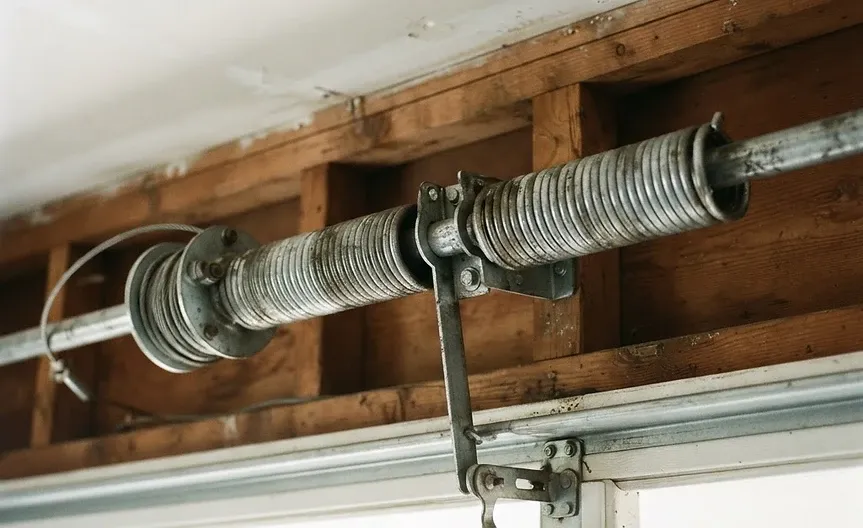
A broken torsion spring is the most common garage door emergency. Here is what causes it, how to spot it, and the safest first steps.
A broken garage door spring is one of the most sudden and disruptive mechanical failures a homeowner can face. When a spring snaps, your overhead door becomes exceptionally heavy, trapping vehicles inside and bringing your daily schedule to a halt. Understanding why springs fail, recognizing the early warning signs, and knowing what immediate steps to take protects your family from injury and prevents secondary damage to your garage door opener and garage door track system.
Garage door springs exist under continuous mechanical tension. Because they carry the physical load every time your door operates, they wear down naturally over time. Whether you need urgent assistance or want to understand how New England weather impacts your hardware, timely attention and professional garage door spring repair are essential for safe, reliable operation.
How Garage Door Springs Work
To understand why springs break, it helps to know how they function within your door's counterbalance system. Residential overhead doors weigh hundreds of pounds. The electric opener acts as a guide rather than the primary muscle; the true heavy lifting is performed by the spring system.
There are two primary spring configurations used on residential garage doors across Greater Boston:
- Torsion Springs: Mounted horizontally on a metal shaft directly above the door frame. As the door closes, cables attached to the bottom corners turn drums on the shaft, winding the steel springs tightly to store energy. When the door opens, that stored tension releases to lift the door panels.
- Extension Springs: Installed parallel to the overhead garage door track system on both sides of the door. These springs stretch along the length of the tracks when the door closes and contract to pull the door open.
Because these metal components twist or stretch thousands of times throughout their lifespan, steel fatigue is inevitable. When a spring reaches its operational limit, it snaps under the heavy pressure required to balance the door.
Common Signs of a Broken Garage Door Spring
Identifying a failed spring quickly prevents further damage to the opener and surrounding hardware. Stop operating your door immediately if you observe any of the following symptoms:
1. A Visible Gap in the Coil
The clearest sign of a broken torsion spring is a distinct gap between the coiling steel above the door frame. When the spring fails, it snaps into separate sections, leaving a visible split in the cylinder.
2. A Loud Bang in the Garage
When high-tension steel breaks, it releases stored kinetic energy all at once. Homeowners often hear a loud noise resembling a firecracker or heavy impact coming from inside the garage, even if the door is not actively moving.
3. The Opener Strains or Shuts Off
Modern automatic openers feature built-in safety resistance sensors. If a spring snaps and your garage door won't open, the motor attempts to pull dead weight. Detecting the heavy load, the opener strains briefly, lifts the door only a few inches, and automatically shuts down or reverses.
4. Loose or Hanging Cables
In a working spring system, tension keeps the lifting cables pulled taut around the drums. When a spring breaks, that tension vanishes immediately, causing the cables to slip off the drums and hang loosely beside the garage door track system.
5. The Door Tilts Sideways
If your setup uses dual torsion springs or extension springs and only one side breaks, the remaining spring pulls unevenly. This uneven force causes the door panel assembly to tilt, bind, or jam sideways in the garage door track system.
Primary Causes of Broken Garage Door Springs
Garage door springs rarely fail without cause. Environmental factors and mechanical stress contribute to steel fatigue over time.
Mechanical Cycle Wear
Spring lifespans are measured in operational cycles, where one full open-and-close action counts as one cycle. Standard residential springs are typically designed to last approximately 10,000 cycles. For a household opening the door four times a day, this equals roughly six to seven years of regular use. Higher daily use exhausts this cycle life sooner.
New England Cold Snaps
Sudden temperature fluctuations across Boston, Cambridge, and surrounding communities impact high-tension steel. Homeowners requesting garage door repair Newton MA frequently experience broken springs during severe freeze events. Cold temperatures cause steel to contract and become brittle, making aging springs susceptible to cracking under load.
Rust and Moisture Corrosion
Humidity, rain, and winter road salt brought inside on tires accelerate surface corrosion. Rust creates friction along the coiling steel wires, wearing down the metal and creating microscopic stress points where cracks form.
Lack of Proper Lubrication
Dry metal coils grind against one another during movement. Keeping moving metal parts lubricated reduces surface friction, quets operation, and helps prevent premature structural fatigue.
Misaligned Hardware
If rollers bind or the garage door track system becomes misaligned, the door encounters friction during movement. This resistance forces the spring assembly to work harder, causing uneven wear and accelerated metal fatigue. Addressing minor track issues early supports effective maintenance and quick garage door repair.
What to Do First When Your Spring Breaks
When a spring fails, prioritising safety is crucial to protect your family and property:
- Keep the Door Closed: Do not attempt to raise or lower the door using the automatic opener or by hand. Heavy door panels without spring counterweight present severe falling risks.
- Unplug the Garage Door Opener: Disconnect the opener motor from its electrical outlet to prevent anyone from operating the system via remotes, wall switches, or mobile apps.
- Avoid DIY Repairs: Never attempt to unwind, adjust, or loosen high-tension spring cones, mounting brackets, or torsion bars using standard household tools.
- Keep the Area Clear: Keep children, pets, and vehicles away from the garage door area.
- Contact Experienced Professionals: Professional service technicians possess specialized winding equipment and technical training to safely remove and replace high-tension spring hardware.
The Dangers of High-Tension Hardware
Overhead garage door systems operate under continuous mechanical strain. According to safety guidance from the U.S. Consumer Product Safety Commission (CPSC), high-tension hardware requires specialized care to prevent impact injuries caused by failing components or improper handling. Servicing tightly wound steel without commercial winding bars and proper clamping tools can result in sudden, force-driven recoil. Relying on experienced professionals ensures that high-tension hardware is handled safely.
Essential Spring Maintenance Practices
Consistent care helps maximize the functional lifespan of your spring counterbalance system.
Follow Precise Lubrication Rules
Proper lubrication protects metal components, but applying lubricants correctly is vital:
- What to Lubricate: Spray a light silicone or synthetic garage door lubricant directly onto moving spring coils, steel roller bearings, and hinge pivot points.
- What NOT to Lubricate: Never apply oil, grease, or spray lubricants inside the garage door track system channels. Lubricant inside the tracks collects dirt and road dust, causing rollers to slide rather than turn, leading to misalignment.
Schedule Professional Inspections
Having a technician perform routine inspections helps identify structural fatigue early. An expert can assess cable condition, align the garage door track system, and verify spring tension before a sudden break leaves your vehicle trapped.
Summary of Garage Door Spring Safety
Garage door springs fail primarily due to normal mechanical cycle wear, winter temperature drops, rust accumulation, and lack of maintenance. Because springs carry the full weight of heavy overhead doors under high tension, a broken spring renders the door unsafe to operate. Recognizing signs like coil gaps, sudden loud noises, and opener strain allows you to act quickly by securing the door, powering down the opener, and contacting qualified professionals to perform repairs safely.
- Springs wear out naturally over time and become brittle during cold New England weather drops.
- Visible gaps between spring coils and slack cables indicate immediate hardware failure.
- Never force open a door with a broken spring, as uncounterbalanced panels pose severe falling hazards.
- Apply spray lubricant to spring coils, roller bearings, and hinges—never inside the garage door track system channels.
- Professional repair ensures high-tension components are replaced safely and correct door balance is restored.
If you suspect a broken spring or need help restoring your door, Prime Garage Doors is ready to assist with free estimates, 24/7 phone support at (844) 321-0914, and same-day service available across Greater Boston. Request a Free Estimate or Call Now to speak with our experienced professionals.
Frequently asked
- Should both springs be replaced at once?
- Usually yes. Springs wear at the same rate, so replacing only the broken one often means a second failure within months.
- Is a broken spring dangerous?
- Yes. The door becomes unbalanced and heavy. Leave it closed, unplug the opener and call a professional.