
Buying Guides
Garage Door Insulation: Retrofit an Existing Door or Replace It?
November 20, 2026 · Prime Garage Doors
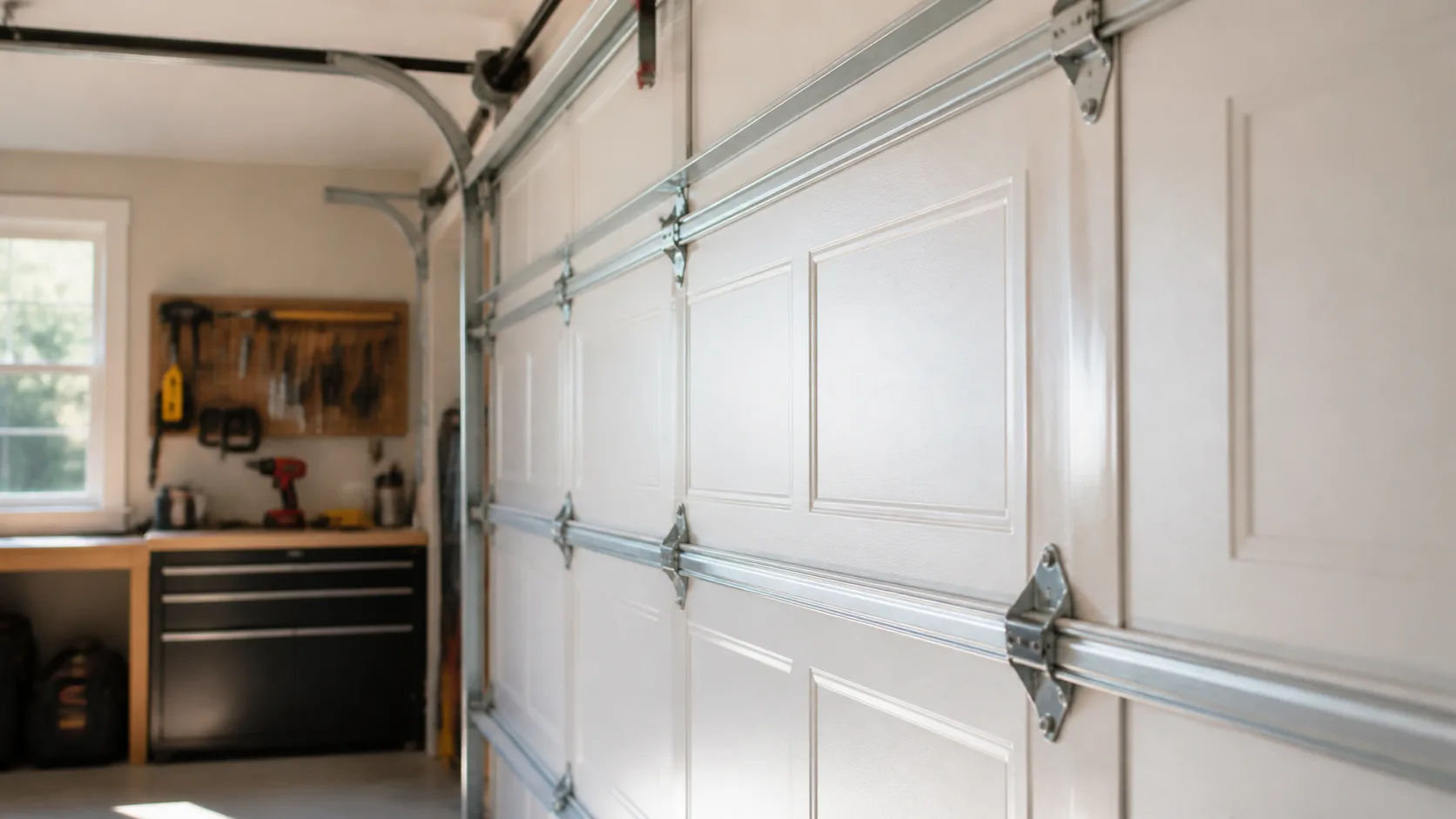
Dealing with an uncomfortable garage? Compare retrofitting garage door insulation to upgrading to factory-insulated garage doors—and learn how panel structure, added door weight, and air sealing determine the right fix.
Deciding between retrofitting garage door insulation onto an existing door or replacing it with a factory-insulated model depends primarily on how you use your garage and the condition of your current door. Adding aftermarket insulation panels to a single-layer steel or wood door can slightly reduce drafts in a detached utility garage. However, a factory-built insulated door with multi-layer construction delivers superior thermal resistance, eliminates thermal bridges, and operates far more quietly without straining the counterbalance springs. For attached garages and homes with living spaces above, replacing the door with an engineered insulated model is almost always the more effective and durable investment.
How Garage Door Insulation Works: Single-Layer vs. Multi-Layer Construction
An uninsulated garage door consists of a single stamped sheet of steel or wood paneling. Because metal conducts heat rapidly, these doors act like giant radiators in summer and commercial refrigerators during New England winter cold snaps. Insulated doors resolve this issue by incorporating thermal barriers between metal layers:
- Single-layer doors: Basic hollow pan doors with no built-in insulation. They offer basic security and weather protection but transfer outside temperatures directly into the garage.
- Double-layer doors: A steel exterior backed by a layer of polystyrene foam board. This configuration adds basic thermal buffering and dampens vibration.
- Triple-layer "sandwich" doors: An exterior steel skin, a dense core of polystyrene or pressure-injected polyurethane, and an interior steel backing. This delivers the highest thermal performance, incredible structural rigidity, and maximum soundproofing.
The Hidden Downsides of Retrofit Insulation Kits
Hardware stores and online retailers sell DIY garage door insulation kits containing rigid foam boards, reflective radiant foil, or fiberglass batts. While these kits seem like a straightforward weekend upgrade, they present distinct mechanical and thermal limitations that homeowners often overlook.
1. Counterbalance Weight Disruption
Garage doors do not lift solely by the power of the electric opener; they rely on calibrated torsion or extension springs that offset the exact weight of the door panels. Even lightweight aftermarket foam panels, adhesive retainers, and tape add dead weight across the full span of the door. When extra weight is added without adjusting the springs, the door becomes heavy, causing the opener gears to strip, lifting cables to fray, and panels to sag during travel. According to safety notices from the U.S. Consumer Product Safety Commission (CPSC), high-tension counter-balance springs and lifting assemblies operate under extreme physical pressure and should never be serviced, altered, or adjusted by untrained homeowners.
2. Thermal Bridging and Air Infiltration
Insulation boards glued to the interior of a door panel only cover the recessed center areas. The outer steel stiles, hinges, and interlocking panel joints remain exposed. Heat bypasses the foam and escapes directly through the metal frame—a process known as thermal bridging. Furthermore, retrofit kits do nothing to stop air drafts slipping through worn perimeter weatherstripping or a brittle bottom rubber seal without proper garage door weather stripping installation.
3. Premature Delamination from Climate Swings
Adhesive pins and double-sided tapes included in DIY kits struggle with humidity and freezing temperatures. Moisture and repeated cycling frequently cause the insulation panels to buckle, detach, and snag on the vertical tracks as the door travels upward.
When Does Retrofitting Make Practical Sense?
Retrofitting garage door insulation can be a reasonable short-term measure under specific, limited circumstances:
- The garage is detached from the home and not mechanically heated or cooled.
- The primary goal is minor sound dampening or light radiant heat deflection during summer afternoons.
- The existing panels, hinges, rollers, and track system are in pristine physical shape with no rust, warping, or sagging.
- An experienced garage door professional checks the system afterward to ensure the spring tension accurately offsets the added weight.
Why Factory Replacement Is the Superior Long-Term Option
If your garage shares a wall with living quarters, sits beneath a bedroom, or houses sensitive equipment, installing a purpose-built insulated door delivers advantages that no DIY kit can match.
Complete Thermal Sealing
Factory-insulated doors are engineered with integrated thermal breaks. These rubber or composite barriers separate the interior and exterior steel skins, completely halting heat transfer through the metal. Panel sections fit together with interlocking tongue-and-groove joints that prevent drafts from penetrating between segments.
Structural Rigidity and Quiet Operation
Polyurethane foam injected directly into the panel cavity expands and bonds tightly to the steel walls. This composite core creates an exceptionally sturdy door that resists wind deflection, accidental vehicle bumps, and everyday wear. Because the dense core absorbs panel flex, the door operates with substantially less rattling and vibration throughout the garage door track system.
Factory-Calibrated Spring Engineering
When you install a new insulated door, the entire counterbalance system is engineered to match the door's exact mass. This ensures smooth, effortless movement by hand and extends the operating lifespan of your electric opener.
Maintaining Hardware on Insulated Garage Doors
Because insulated doors have higher panel density, keeping the mechanical components well-maintained is vital for smooth travel. Homeowners should regularly inspect the perimeter weather seals and clean the metal tracks of dust and debris. When applying lubrication, only apply a dedicated garage door lubricant to moving steel bearings, rollers, and hinge pivot points. Never lubricate the inside of the track channels; grease or oil inside the tracks collects road grit, creates gummy buildup, and causes the rollers to slip rather than spin.
If your door shakes, jerks along the vertical frame, or shows signs of broken hardware, it is critical to address the underlying mechanical fault before worrying about thermal efficiency. Whether you need to fix garage door balance issues, schedule garage door repair boston residents trust during freezing temperatures, arrange garage door repair framingham ma homeowners depend on, or locate saratoga springs garage door repair for regional properties, always consult experienced professionals for heavy hardware adjustments.
Summary: Retrofitting vs. Replacing
While DIY insulation kits offer a modest, budget-friendly shield for detached outbuildings, they cannot overcome thermal bridging, poor perimeter sealing, or the mechanical strain of added panel weight. Installing a factory-built, multi-layer insulated garage door provides comprehensive weather protection, structurally reinforced panels, quiet performance, and factory-matched counterbalance hardware designed to withstand demanding winter weather.
- Retrofit kits add dead weight to your door, potentially straining cables, openers, and high-tension springs.
- DIY panels leave exposed steel stiles and joints, allowing thermal bridging and persistent air drafts.
- Factory-insulated doors utilize tongue-and-groove joints, thermal breaks, and injected polyurethane cores for full-door efficiency.
- Sandwich-style doors dampen metal vibration and significantly reduce operating noise.
- Proper maintenance requires lubricating roller bearings and hinges, while keeping track channels completely dry and clean.
Need expert advice on upgrading to an energy-efficient garage door or evaluating your current setup? Call Now at (844) 321-0914 to speak with our team with 24/7 phone support, or Request a Free Estimate online from Prime Garage Doors today.
Frequently asked
- Does adding a DIY insulation kit make a garage door too heavy?
- Yes, aftermarket insulation kits add dead weight that can disrupt the precise calibration of your counterbalance springs. When extra weight is added without re-tensioning the system, it places severe strain on the opener, lifting cables, and hardware. Any adjustments to high-tension counterbalance components should always be handled by experienced professionals.
- What is the main difference between retrofitting insulation and buying a factory-insulated garage door?
- Retrofit kits only cover the flat inner sections of the panels, leaving the metal frame and joints exposed to thermal bridging and air leaks. In contrast, factory-built insulated doors feature interlocking tongue-and-groove joints, integrated thermal breaks, and dense injected foam cores that seal the entire opening. They also come engineered with counterbalance springs precisely calibrated to their total weight.
- Can an insulated garage door help reduce household energy costs?
- An insulated door provides significant thermal buffering for homes with attached garages or living spaces situated directly above. By stabilizing the temperature inside the garage and blocking cold air infiltration, it reduces the overall heating and cooling burden on your home HVAC system. Triple-layer sandwich doors offer the highest thermal performance and draft protection for residential properties.
- How should I maintain the hardware on an insulated garage door?
- You should regularly lubricate moving roller bearings, hinge pivot points, and steel bearings using a dedicated garage door lubricant. Never spray lubricants or apply grease inside the channels of the garage door track system, as this attracts dirt and causes the rollers to slide rather than spin. Keeping the track channels clean, dry, and clear of debris ensures quiet and reliable panel travel.
- When is it better to replace a garage door rather than retrofitting it?
- Replacement is recommended if your garage connects directly to conditioned living areas or if your existing panels are warped, rusted, or aged. Factory-engineered insulated doors provide superior structural rigidity, sound dampening, and complete thermal breaks that DIY kits cannot achieve. Homeowners looking to upgrade can contact Prime Garage Doors to Request a Free Estimate and discuss modern door installation options.