Maintenance
How-to guideFarmington Garage Door Repair: Complete Homeowner Guide
August 28, 2026 · Prime Garage Doors
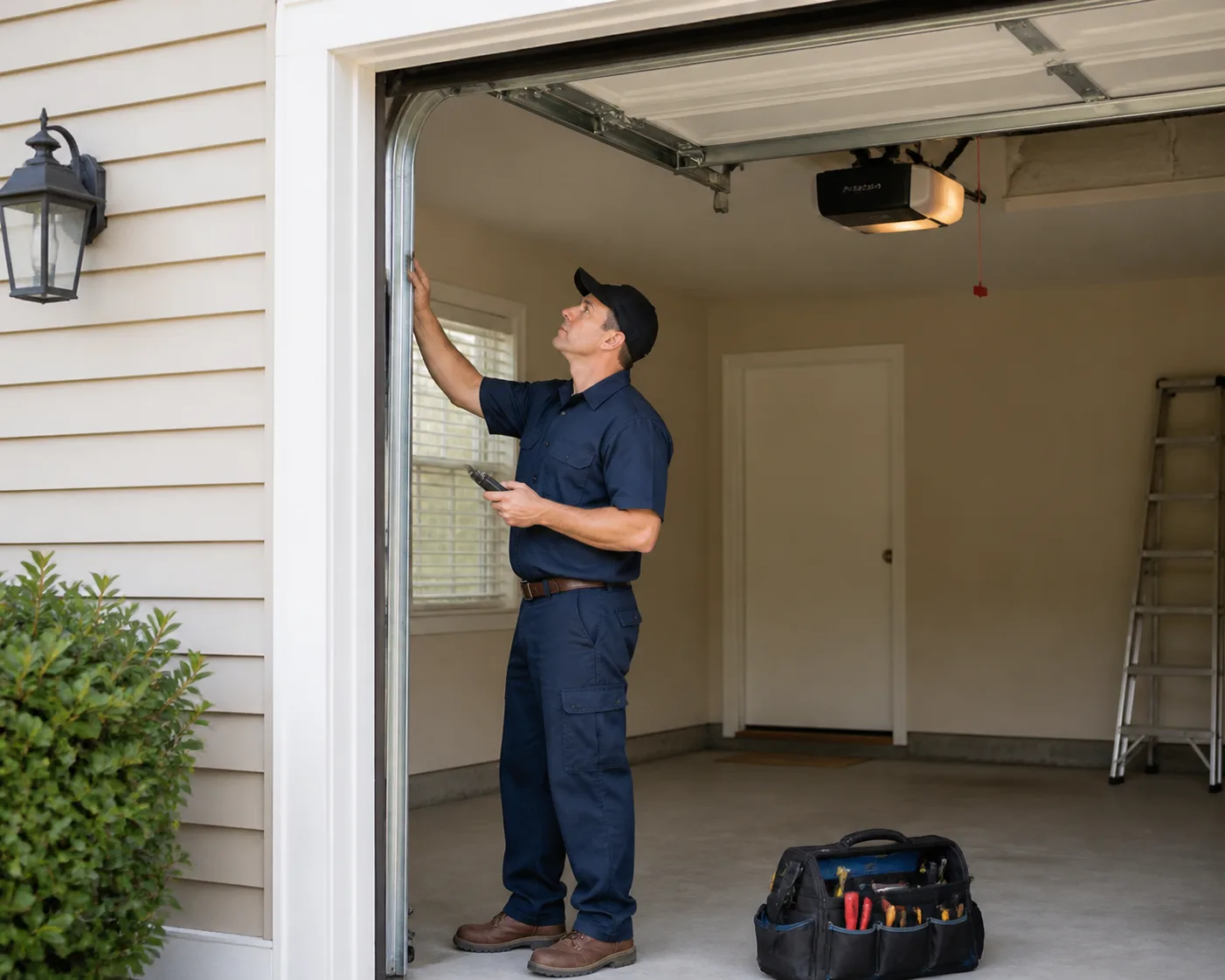
Need farmington garage door repair? Learn how to identify common garage door problems, perform safe basic checks, and know when professional service is required. From broken springs and damaged cables to opener problems and off-track doors, this guide explains the safest next steps for Farmington homeowners.
Farmington Garage Door Repair: Safe Troubleshooting and Professional Service
When a malfunctioning garage door disrupts your daily routine, prompt attention can help prevent a minor problem from becoming a major repair. Homeowners searching for farmington garage door repair can rely on Prime Garage Doors for professional diagnostics, spring replacement, cable repair, track realignment, and garage door opener service.
Understanding Common Garage Door Problems
A residential garage door depends on several components working together, including springs, lift cables, rollers, hinges, the garage door track system, and the automatic opener. When one component wears out or fails, the door may become noisy, move unevenly, stop before reaching the floor, or refuse to open.
Common causes of garage door problems include:
Broken or fatigued springs: Springs provide the counterbalance needed to move the heavy door. When a spring breaks, the opener may no longer be able to lift the door safely.
Worn or damaged lift cables: Frayed or disconnected cables can cause the door to hang unevenly and should be professionally replaced.
Track and roller problems: Bent tracks, damaged rollers, or loose hardware can interfere with smooth door movement.
Opener problems: Electrical faults, worn drive components, remote-control issues, and safety sensor problems can prevent an automatic opener from operating correctly.
Weather-related wear: Cold temperatures, moisture, road salt, and seasonal temperature changes can accelerate corrosion and wear on exposed hardware.
Warning Signs Your Garage Door Needs Attention
Recognizing problems early can help prevent additional damage. Pay attention to changes in the way your door looks, sounds, or moves.
Unusual Noise
Grinding, squealing, popping, or repeated rattling can indicate worn rollers, hinges, bearings, or other mechanical components. A sudden loud bang can also indicate a broken garage door spring.
Uneven Door Movement
If one side of the door rises higher than the other or the panels appear crooked, the system may have a cable, roller, track, or spring problem. Do not continue operating a visibly unbalanced or damaged door.
Slow or Jerky Operation
A door that suddenly becomes slow or jerky may have increased mechanical resistance or an opener problem. Continued operation can place additional stress on the opener and other components.
The Opener Runs but the Door Does Not Move
If the motor operates but the door remains stationary, the problem may involve the trolley, drive system, door connection, or another mechanical component. Professional diagnosis can identify the underlying fault without putting the door or homeowner at unnecessary risk.
Basic Garage Door Checks Homeowners Can Safely Perform
Some simple inspections can help identify an obvious problem without working on high-tension components.
Check the Opener Power
Confirm that the garage door opener is receiving power. If the opener has no lights or response, check whether its power connection has been interrupted. If a circuit breaker or GFCI has repeatedly tripped, professional electrical evaluation may be appropriate rather than repeatedly resetting it.
Inspect the Safety Sensors
Look at the photo-eye sensors positioned near the bottom of the garage door opening. Make sure the lenses are clean and that nothing is blocking the path between the sensors.
A soft, dry cloth can be used to remove dust or cobwebs from the sensor lenses. Avoid modifying the sensor wiring or attempting electrical repairs.
Check the Remote Battery
If the wall control operates the garage door but the handheld remote does not, replacing the remote battery may resolve the problem. If the remote still fails afterward, the opener or remote system may require further diagnosis.
Look for Visible Obstructions
Inspect the area around the garage door and garage door track system for obvious objects, debris, or stored items that could interfere with normal movement. Do not attempt to straighten bent tracks or force rollers back into position.
Safety Warning: Springs, Cables, and High-Tension Hardware
Garage door springs, lift cables, cable drums, and bottom brackets can contain significant stored mechanical energy. A sudden release can result in serious injury or property damage.
The U.S. Consumer Product Safety Commission provides safety information concerning residential garage door systems and their protective features. U.S. Consumer Product Safety Commission
Never attempt to unwind, replace, adjust, or remove torsion or extension springs, lift cables, cable drums, or bottom brackets yourself. These repairs require appropriate tools, procedures, and professional experience.
If you see a broken spring, loose cable, severely damaged track, or door hanging at an angle, stop using the door and arrange for professional service.
Professional Garage Door Services in Farmington
Prime Garage Doors provides professional solutions for homeowners dealing with damaged or malfunctioning garage door systems.
Garage Door Spring Replacement
Broken torsion and extension springs can leave a garage door extremely difficult or impossible to operate. Professional spring replacement restores the counterbalance required for safe automatic operation.
Learn more about garage door spring repair and the common reasons springs eventually fail.
Garage Door Cable Repair
Lift cables work with the spring system to support controlled door movement. Frayed, damaged, or disconnected cables should be replaced by a qualified technician rather than repaired as a homeowner DIY project.
Garage Door Track and Roller Repair
A damaged garage door track system can cause rollers to bind, scrape, or leave their intended path. Professional technicians can inspect the tracks, rollers, brackets, and related hardware to determine whether adjustment or replacement is required.
Garage Door Opener Repair
Opener problems can involve the motor, drive mechanism, safety sensors, wall controls, remote transmitters, or internal electronics. Professional diagnosis helps determine whether repair or replacement is the appropriate solution.
For comprehensive service, visit our garage door repair page.
Off-Track Garage Door Repair
A door that has come off its tracks can become unstable and place additional stress on the panels, rollers, cables, and opener. Do not force an off-track door to move. Professional technicians can secure the system and restore proper alignment.
Garage Door Maintenance for New England Conditions
Seasonal weather can contribute to garage door wear. Moisture, road salt, freezing temperatures, and repeated temperature changes can affect exposed metal hardware and weather seals.
Homeowners can help maintain their system with simple visual care:
Keep the garage door opening and surrounding floor area free from debris.
Clean dust and cobwebs from safety sensor lenses.
Inspect weather seals for visible cracking or deterioration.
Watch for rust, fraying cables, damaged rollers, or unusual movement.
Lubricate only appropriate moving rollers, bearings, and hinges according to the component or manufacturer's requirements.
Never apply grease inside the garage door track system.
Regular professional inspections can also identify worn components before they result in an unexpected breakdown.
When to Call a Professional
Some garage door problems should not be treated as homeowner maintenance. Contact an experienced technician if you notice:
A broken torsion or extension spring.
Frayed, snapped, or disconnected lift cables.
A door that has come off its tracks.
Severely bent or damaged tracks.
A door hanging unevenly.
Loud popping or grinding from the spring or cable area.
An opener that runs but cannot move the door.
Repeated safety sensor or opener failures.
Prime Garage Doors provides professional farmington garage door repair solutions designed to restore safe and reliable garage door operation. Our services include spring replacement, cable repair, opener service, track repair, and other residential garage door solutions.
Why Choose Prime Garage Doors?
When a garage door stops working, homeowners need clear communication and dependable service. Prime Garage Doors offers:
Experienced Professionals: Technicians experienced with residential garage door systems and major opener types.
Free Estimates: Clear evaluation and repair options before work begins.
24/7 Phone Support: Call (844) 321-0914 for assistance.
Same-Day Service Available: Service options for urgent garage door problems when available.
Summary
A malfunctioning garage door can result from worn springs, damaged cables, track problems, opener failures, or normal mechanical wear. Homeowners can safely perform basic visual checks and clean accessible safety sensor lenses, but high-tension components and structural repairs should always be handled by experienced professionals.
Inspect your garage door regularly for unusual sounds, uneven movement, and visible damage.
Keep safety sensor lenses clean and free of obstructions.
Never adjust or replace springs, cables, cable drums, or bottom brackets yourself.
Never force an off-track or severely damaged garage door to operate.
Use professional service when mechanical or high-tension components require repair.
If your garage door is stuck, noisy, crooked, or refusing to operate properly, contact Prime Garage Doors for professional farmington garage door repair. Request a Free Estimate or call (844) 321-0914 to speak with our team.
Frequently asked
- How often should I lubricate my garage door hardware?
- You should lubricate moving hardware like metal hinges, roller stems, and torsion springs twice a year, ideally in spring and fall. Using a specialized aerosol garage door spray reduces mechanical friction and protects steel components against humidity and freezing temperatures. Avoid applying grease inside the vertical tracks, as thick grease collects dirt and causes rollers to bind.
- Can I replace a broken garage door spring myself?
- No, you should never attempt to adjust, unwind, or replace garage door springs yourself. Torsion and extension springs are under extreme mechanical tension and can cause severe physical injury or structural damage if handled improperly. When a spring breaks, contact experienced professionals to perform high-tension repairs safely.
- Why is my garage door reversing before it touches the ground?
- A door that reverses prematurely often has misaligned optical safety sensors, dirty lenses, or miscalibrated travel limits on the opener. Clearing cobwebs or debris from the beam path and wiping the photo-eye lenses clean will resolve simple obstruction issues. If the door still reverses automatically, an experienced technician can adjust the travel force settings or replace faulty wiring.
- What causes garage door cables to fray or slip off the drum?
- Lift cables gradually wear down from continuous spooling around cable drums, improper spring balance, or rust caused by road salt exposure near the floor. Physical impacts to the tracks can also create slack, causing a cable to drop off the drum. Because lift cables are attached directly to high-tension bottom brackets, Request a Free Estimate from a professional to inspect and replace damaged cables.
- How do cold weather and freezing temperatures affect garage door components?
- Freezing temperatures make spring steel brittle, which increases the likelihood of a spring snapping during sudden cold snaps. Moisture, snow, and slush tracked into the garage can freeze the bottom rubber seal to the floor or cause metal hardware to rust. Regular visual inspections and keeping the door threshold clear of ice help prevent winter mechanical breakdowns.