Garage Door Repair
How-to guideHow to Repair Up and Over Garage Doors: Common Faults & Fixes
September 17, 2026 · Prime Garage Doors
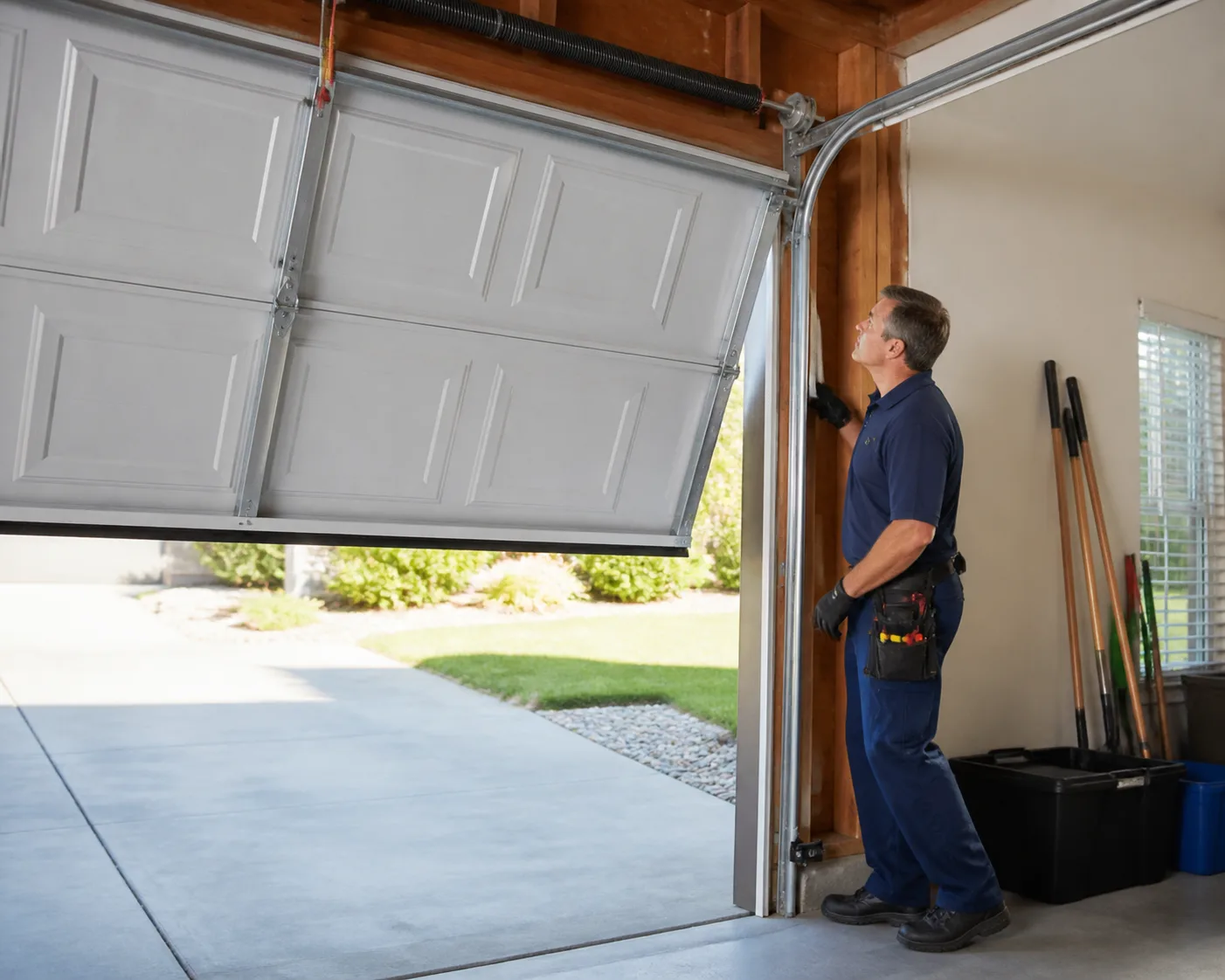
Is your single-panel garage door sticking or heavy to lift? Learn how to repair up and over garage doors safely, troubleshoot common spring and cable faults, and when to call a professional.
To repair up and over garage doors effectively, homeowners must clear debris from the guide channels, tighten loose frame hardware, and lubricate pivot bearings while leaving high-tension spring adjustments to experienced professionals. Up and over doors operate as a single continuous panel that tilts and swings outward before sliding into the overhead ceiling space, relying on precise mechanical alignment to lift smoothly. Identifying worn side cables, dirty track channels, or binding pivot arms early prevents sudden structural jams, protects your opener, and keeps your property secure.
Understanding Up and Over Doors and Common Causes of Failure
Up and over garage doors—commonly classified as single-panel canopy or fully retractable systems—are built around a unified door leaf rather than individual hinged panel sections. Because the entire mass of the door moves as a single unit, the system places substantial physical demand on its mounting hardware, side support arms, lifting cables, and balance springs. When a single component wears down or slips out of alignment, the whole panel can bind, sag, or stick mid-travel.
Mechanical faults in up and over door systems generally stem from two distinct mechanical layouts:
- Canopy Systems: These configurations utilize vertical side cables connected to an overhead torsion spring mounted across the top of the door frame. When opened, the bottom of the panel swings outward while the top tilts back, leaving a portion of the panel extending past the outer wall line. Cable slippage or cone wear in these systems immediately causes uneven lifting.
- Retractable Systems: These doors feature side extension springs mounted alongside horizontal guide tracks. Heavy-duty pivot arms pull the panel entirely inside the garage along horizontal tracks. If the extension springs stretch unevenly or the roller stems bind, the door panel will twist diagonally and jam within the frame.
Environmental factors across New England also play a major role in hardware degradation. Fluctuating seasonal temperatures, winter cold snaps, atmospheric humidity, and coastal salt exposure accelerate surface rust on steel pivot points and stretch tension springs. Cold weather hardens old grease inside moving joints, while structural house settling can warp track alignment over time.
Signs of Hardware Wear, Safety Protocols, and Needed Tools
Before undertaking basic maintenance on an up and over door, it is essential to spot early warning signs of component fatigue and assemble the appropriate tools. Catching hardware issues before a complete system failure protects both your equipment and your personal safety.
Common Symptoms of System Failure
- Heavy or Rapidly Dropping Panel: The door feels unusually heavy to lift or falls quickly when released, indicating spring fatigue or unequal tension.
- Squeaking or Grinding Noise: Friction in dry pivot arm bearings, roller shafts, or top spring coils produces harsh metallic sounds during travel.
- Crooked Travel: One side of the panel sits lower than the other during operation, pointing to a frayed cable, off-track roller, or broken side spring.
- Straining Electric Opener: The automatic drive motor hums loudly, jerks, or reverses direction unexpectedly due to mechanical binding on the manual hardware.
Essential Safety Rules
- Never tamper with, loosen, or attempt to unbolt high-tension spring brackets, winding cones, or steel lifting cables.
- Keep hands, fingers, and loose clothing clear of pivoting side arms, track channels, and spring coils during inspection.
- Wear heavy-duty work gloves and impact-resistant safety glasses throughout the inspection process.
Recommended Tools and Maintenance Supplies
- Soft lint-free shop cloths or microfiber towels for channel cleaning
- Hand socket wrench set and standard screwdrivers for bracket tightening
- Silicone spray lubricant or specialized white lithium spray with a narrow applicator nozzle
- Stiff-bristled nylon brush for removing dried grease and debris
How to Inspect and Maintain Up and Over Garage Doors Step by Step
Routine inspection and minor hardware adjustments can resolve common operational friction and keep your single-panel system lifting smoothly. Follow these step-by-step guidelines to safely service accessible mechanical hardware.
Step 1: Inspect the Frame and Secure the Work Area
Begin by ensuring the work area around the door opening is completely clear of vehicles, tools, and personal belongings. Visually inspect the outer timber or steel door frame for signs of rot, physical damage, or structural warping. If the frame itself has shifted, the tracks and pivot brackets will lose parallel alignment. Check that all wall-mounting lag screws anchoring the jamb brackets to the building framing are firmly seated.
Step 2: Clean and Clear the Garage Door Track System
Debris accumulation inside horizontal overhead tracks is a frequent source of roller binding. Take a dry shop cloth and wipe out dirt, dead leaves, cobwebs, and hardened grease from the entire length of the garage door track system. For stubborn, caked-on residue, scrub the channel surfaces gently using a stiff nylon brush. Removing grit allows the top guide rollers to turn smoothly without skidding or jumping out of the channel.
Step 3: Tighten Mounting Fasteners and Hinge Brackets
Daily operational vibration gradually loosens the nuts and bolts that hold the door hardware together. Using a manual socket wrench, check the tightness of all visible fasteners along the side pivot arms, top roller brackets, track support hangers, and lower mounting plates. Tighten any loose hardware firmly, taking care not to overtighten or strip the steel threads. Secure fasteners prevent the heavy single panel from shifting out of alignment during its swinging arc.
Step 4: Lubricate Moving Bearings and Pivot Arms
Proper lubrication reduces mechanical friction and quietens noisy operation. Apply a targeted spray of silicone or white lithium lubricant directly onto the steel pivot arm bearings, side extension spring coils, top roller stem shafts, and metal mounting hinges. Wipe away any excess fluid with a clean rag to prevent drips. Crucially, keep lubricant off rubber weather seals and belt drives.
Step 5: Inspect Rollers and Side Extension Hardware
Examine the top guide rollers running inside the horizontal tracks. Look closely for cracked nylon wheels, worn steel bearings, or bent stem shafts. If a roller does not spin freely by hand, it requires replacement. Next, visually inspect the side extension springs or top canopy springs for gaps, physical deformation, or severe corrosion. If you notice rusted wire strands or uneven stretching between side springs, professional spring replacement is required.
Step 6: Test Photo-Eye Safety Sensors and Opener Alignment
If your up and over door is connected to an automatic garage door opener, inspect the safety photo-eye sensors mounted near the bottom of the door frame. Clean the optical lenses with a soft, dry cloth to remove dust or spiderwebs. Verify that both sensor lenses align directly across the opening and that their indicator lights display solid, steady signals. If an opener struggles against a binding panel, address the underlying mechanical alignment of the door before altering opener force settings.
Post-Maintenance Tips and Ongoing System Care
Maintaining an up and over garage door requires ongoing care, especially in regions prone to sudden weather shifts. Implementing simple seasonal habits keeps hardware running smoothly and prevents costly emergency repairs.
Adhere strictly to key operational rules to preserve your hardware:
- Keep Track Channels Dry: Never apply grease, heavy oil, motor fluid, or silicone spray inside the channels of the garage door track system. Grease inside track channels traps dirt, creates a abrasive slurry, and causes rollers to slide rather than rotate, accelerating roller wear.
- Perform Bi-Annual Inspections: Schedule maintenance checks twice per year—once in early autumn before freezing winter temperatures arrive, and once in spring after heavy seasonal precipitation passes.
- Monitor Cable Condition: Inspect lifting cables for minor fraying or rust spots every few months. Catching cable wear early prevents sudden cable failure while the door is in motion.
- Clear Swings Paths: Ensure interior storage shelves, ladders, and tall equipment inside your garage remain well clear of the arc path traveled by the single panel as it swings upward.
High-Tension Risks and When to Call a Professional
While basic cleaning, bracket tightening, and bearing lubrication fall safely within routine homeowner maintenance, high-tension hardware repairs present extreme physical dangers. Up and over door springs, lifting cables, winding cones, and bottom corner brackets remain under continuous, intense tension equal to the full structural weight of the single door panel.
According to safety alerts published by the U.S. Consumer Product Safety Commission (CPSC), unbolting tensioned components or attempting amateur spring adjustments can trigger sudden mechanical release, resulting in severe impact injuries or crushing hazards. Never attempt to unwind torsion springs, disconnect taut side cables, or unclamp bottom brackets without professional training and dedicated winding tools.
If your single-panel door hangs crooked, has dropped suddenly, or suffers from snapped cables, stop using the door immediately. Experienced technicians use specialized winding bars, locking pliers, and safe hoisting techniques to manage heavy mechanical loads. For complex system failures or to safely fix a broken garage door, professional intervention ensures your property remains protected and fully functional.
Our experienced professionals deliver complete garage door solutions across Greater Boston. Whether you require expert support for saratoga springs garage door repair, immediate structural adjustments for garage door repair boston, or scheduled service for garage door repair framingham ma, our crew provides clear answers and prompt on-site support.
Summary of Up and Over Garage Door Care
Up and over garage doors offer durable, practical service, but their single-panel design demands correct track alignment, tight frame fasteners, and balanced spring tension. Performing regular visual checks, keeping overhead guide channels clean, and lubricating moving bearings will stop operational binding and prolong equipment life. High-tension springs, bottom brackets, and lifting cables must always be left to trained professionals to prevent serious personal injury and property damage.
- Single-Panel Dynamics: Single-panel doors rely heavily on equal side spring balance and parallel tracks to swing upward without binding.
- Strict Lubrication Guidelines: Lubricate moving pivot bearings, roller stems, and spring coils, but keep the inside of the garage door track system completely clean and dry.
- High-Tension Safety First: Never loosen, adjust, or replace tensioned side cables, springs, or bottom mounting plates without professional tools.
- Preventative Habits: Tighten frame hardware and inspect lifting cables twice a year to catch minor mechanical wear early.
If your up and over door is stuck, noisy, or heavy to operate, contact the experienced professionals at Prime Garage Doors. Call Now at (844) 321-0914 or Request a Free Estimate to schedule reliable local garage door service today.
Frequently asked
- Why is my up and over garage door heavy or sticking?
- A heavy or sticking up and over door usually indicates fatigued springs, dry pivot arm bearings, or friction within the garage door track system. Over time, tension springs lose strength or pivot points accumulate dirt and rust. Having an experienced professional inspect and adjust the balance system will restore smooth, reliable operation safely.
- Can I repair a broken up and over garage door lifting cable myself?
- Replacing lifting cables on an up and over door is extremely hazardous because cables remain under high mechanical tension. Attempting a DIY repair on tensioned hardware poses a high risk of sudden panel drops or physical injury. It is strongly recommended to contact a qualified technician to replace frayed or snapped cables.
- Should I apply grease or lubricant inside the garage door tracks?
- No, you should never apply grease, oil, or lubricant inside the track channels of your garage door track system. Lubricant inside the tracks collects dirt and grit, causing the guide rollers to slide and skid rather than roll properly. Instead, apply a light silicone spray only to roller stem shafts, pivot bearings, and metal hinges.
- How can I tell if an up and over garage door spring is broken?
- If a spring breaks, the door panel will feel unusually heavy, sag to one side, or refuse to stay open on its own. You may also notice a visible gap in the spring coils or a slack cable dangling along the frame. If you suspect a broken spring, stop using the door immediately and request service from a professional.
- Why does my electric opener strain when opening a single-panel up and over door?
- An automatic opener is engineered to move a properly balanced door, not to lift unassisted weight. If your opener hums or struggles, the issue is usually caused by broken extension springs, binding pivot joints, or misaligned tracks. Resolving the mechanical binding on the door itself will protect your opener motor from damage.