
Garage Door Repair
New England Garage Doors: Installation, Repair & Style Guide
October 20, 2026 · Prime Garage Doors
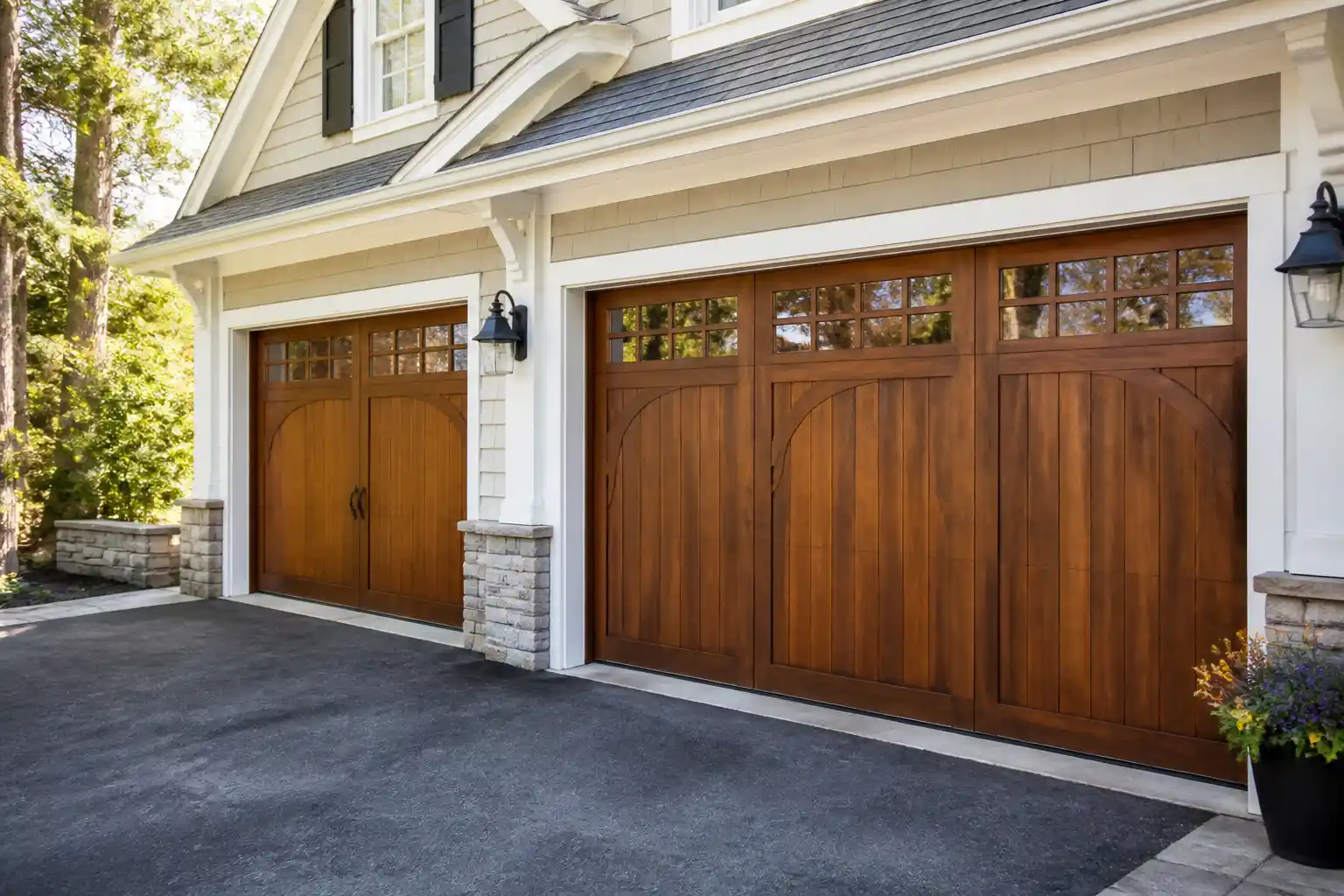
• Looking for dependable garage door services in New England? Explore classic carriage-house designs, winter weatherproofing tips, and expert local repair solutions.
Choosing the right setup for New England garage doors requires looking beyond basic aesthetic styles. Winter cold snaps, coastal moisture, rapid temperature swings, and freeze-thaw cycles put continuous stress on door panels, mechanical components, and perimeter seals. Selecting the proper combination of panel construction, thermal insulation, and weatherstripping helps protect your vehicle, improve comfort in adjacent rooms, and ensure long-term reliability.
Every home presents unique structural layout requirements. A door that works perfectly for an unheated freestanding shed may perform poorly on an attached home with a bedroom situated directly above the garage bay. Understanding how materials, insulation ratings, perimeter seals, and proper professional installation interact allows homeowners to make informed investments tailored specifically to their property.
What New England Weather Means for Garage Door Selection
The regional climate brings distinct challenges to residential garage door systems. Winter temperatures regularly drop below freezing, while summers bring elevated humidity and occasional severe storms. Coastal areas deal with salt air exposure, while suburban properties face winter slush mixed with road salt tracked inside daily.
These conditions dictate how panel materials and hardware hold up over time:
- Steel Doors: Heavy-gauge steel with durable painted finishes resists corrosion caused by moisture and salt. Multi-layer insulated steel panels offer structural rigidity against high winds.
- Composite Overlays: Synthetic materials provide the traditional look of carriage house wood without warping, rotting, or splitting when exposed to rain, ice, and melting snow.
- Hardware Stress: Extreme temperature fluctuations cause metals to contract and expand. Moving parts require regular friction management, though homeowners should remember to apply lubricant only to moving bearings, rollers, and hinges—never lubricate the inside of the track channels.
Whether you need new installation or localized assistance such as garage door repair boston homeowners rely on, selecting materials built to withstand cold snaps is essential for long-term operational performance.
Attached vs. Detached Garages: Different Insulation Priorities
Insulation requirements depend heavily on whether your garage is structurally integrated with your main living quarters or stands as an independent building.
Attached Garages
When a garage shares common walls or a ceiling with conditioned living space, thermal performance becomes a major priority. Cold air leaking into an uninsulated garage bay can chill adjacent hallway walls and cool the floors of upstairs bedrooms. Installing an insulated garage door helps form a thermal buffer zone, dampening cold drafts and reducing street noise transmission into your home.
If your property is located west of the city and needs structural hardware adjustments or panel updates, scheduling timely garage door repair framingham ma services ensures your attached door operates quietly and seals tightly against the building frame.
Detached Garages
For standalone structures used purely for vehicle parking or lawn equipment storage, heavy thermal insulation is rarely a necessity. An uninsulated or single-layer steel door may serve the space adequately. However, if you utilize a detached garage as a workshop, hobby room, or classic car storage area, an insulated door helps retain ambient heat when temporary heating sources are running. Keep in mind that an insulated garage door does not generate heat on its own; unheated structures will eventually match outdoor temperatures during extended freeze periods.
For homeowners managing residential properties across neighboring regions, including those seeking saratoga springs garage door repair, matching insulation selection directly to building design remains the most effective strategy.
Understanding R-Value, U-Factor, and Product Claims
When evaluating panel performance, manufacturers present thermal metrics that describe heat transfer characteristics. Understanding these values helps clarify product performance claims.
- R-Value: Measures thermal resistance to heat flow. A higher R-value indicates greater insulating capability within the panel materials. Polyurethane foam injected between steel skins generally yields a higher R-value per inch than rigid polystyrene board inserts.
- U-Factor: Measures the rate of overall heat loss through an assembly. In contrast to R-value, a lower U-factor indicates better insulating properties.
It is important to evaluate these numbers within their proper context. Manufacturer R-values often refer specifically to the center section of an insulated panel. Whole-door performance depends heavily on structural joints, bottom astragal seals, perimeter weatherstripping, and window inserts. When comparing products, ensure you are evaluating equivalent testing standards and overall door construction rather than isolated material ratings.
Why Seals, Windows, and Installation Matter
Even the highest-rated insulated panels cannot perform effectively if air passes freely around the edges of the garage door opening. Draft prevention depends on a complete thermal barrier system:
- Perimeter Weatherstripping: Flexible vinyl seals mounted on the top and side jambs close gaps between the door panels and the building frame when the door is fully closed.
- Bottom Astragal Seals: A flexible rubber seal along the bottom edge compresses against the concrete floor to block cold air, rain runoff, leaves, and pests.
- Interlocking Section Joints: Quality panel designs feature snug, tongue-and-groove or ship-lap joint seals that prevent wind infiltration between individual sections.
- Insulated Window Lite Panels: If you select a style with decorative top windows for natural daylighting, choosing dual-pane insulated glass maintains thermal integrity.
Smooth operation relies on a straight, clean frame and a properly aligned garage door track system. High-tension hardware like counter-balance torsion springs, extension springs, and steel lift cables hold massive stored energy. According to safety notices from the U.S. Consumer Product Safety Commission (CPSC), tampering with or improperly servicing high-tension garage door components can result in severe sudden impact injuries. Mechanical balance adjustments and garage door spring repair must always be handled by experienced professionals.
How to Assess Your Garage Before Choosing a Door
Before purchasing a replacement door or requesting a service visit, perform a simple visual audit of your existing setup. Homeowners should observe components visually from a safe distance without removing parts or touching tensioned hardware.
- Define the Primary Usage: Determine whether the bay is strictly used for parking, routine home maintenance storage, or active workshop projects.
- Identify Structural Layout: Confirm whether living quarters share interior walls or ceiling joists with the garage space.
- Check Heating Sources: Note if the space contains temporary or permanent heating elements.
- Visually Inspect Visible Gap Spaces: Close the door completely and look for sunlight daylighting around the edges, floor, or panel joints.
- Review Style Priorities: Balance your visual goals—such as carriage house overlays, modern flush panels, or window inserts—against thermal and maintenance requirements.
- Document Operational Issues: Note any abnormal grinding noises, panel sagging, or hesitation during movement so you can explain them clearly to a technician.
When Sealing Improvements May Be Enough
If your existing garage door panels remain structurally sound, rust-free, and visually appealing, full replacement may not be immediately necessary. In many cases, addressing worn perimeter components restores proper protection against cold drafts and water intrusion.
Replacing cracked bottom rubber seals, refreshing stiff side jamb weatherstripping, or realigning binding sections can significantly reduce air infiltration. When structural issues or misalignments make a door hard to move, knowing how to safely maintain hardware or hiring a professional to fix garage door binding issues can restore smooth, quiet operation without requiring a total panel overhaul.
Questions to Ask Before Ordering Your Garage Door
When preparing to upgrade or install a new system, discussing specific details with your installer ensures the selected model fits your budget and functional goals:
- Does the stated thermal rating apply to the overall door assembly or strictly the center panel core?
- What specific weatherstripping packages and bottom seals are included with this model?
- Will my current overhead opener handle the weight and track geometry of the new door model?
- What ongoing maintenance routines does the manufacturer recommend for the surface finish and moving components?
- How do decorative window options impact the overall thermal performance of the door?
Key Takeaways
Selecting the right garage door for a New England home requires balancing visual charm with climate-focused durability, insulation ratings, and comprehensive perimeter sealing. Attached garages benefit greatly from insulated multi-layer panels that reduce noise and damp cold air flow into nearby living areas, whereas detached garages can often prioritize simple durability or single-layer panel designs. Ensuring tight perimeter seals, high-quality bottom weatherstripping, and professional installation along a properly aligned garage door track system guarantees safe, quiet, and reliable daily operation through every season.
- Choose multi-layer insulated steel or composite overlay panels to withstand freeze-thaw cycles and high humidity.
- Prioritize high R-value panels and insulated glass options for attached garages located under or adjacent to living quarters.
- Ensure effective draft protection by combining quality panel insulation with durable perimeter weatherstripping and bottom astragal seals.
- Leave high-tension torsion spring adjustments, cable repairs, and structural alignment tasks to qualified service specialists.
Whether you need urgent mechanical repairs on an existing setup or are planning a complete cosmetic upgrade, Prime Garage Doors is ready to assist. Contact our experienced technicians today to Request a Free Estimate or learn more about our comprehensive residential door services across Greater Boston.
Frequently asked
- What garage door materials work best for New England weather?
- Heavy-gauge insulated steel and synthetic composite overlay panels perform best in New England's climate. Steel doors resist corrosion from winter slush and salt, while multi-layer insulated construction prevents warping during extreme freeze-thaw cycles. Composite overlays provide a traditional wood appearance without rotting or splitting when exposed to rain, snow, and ice.
- Should I get an insulated garage door for an attached garage?
- Installing an insulated garage door on an attached garage helps create an effective thermal buffer zone for your home. It stops cold drafts from chilling adjacent interior walls and upstairs rooms while also reducing outdoor noise transmission. Multi-layer polyurethane or polystyrene insulation provides the best performance for attached living spaces.
- What is the difference between R-value and U-factor for garage doors?
- R-value measures a material's resistance to heat flow, where a higher number indicates greater insulating power inside the door panels. U-factor measures the overall rate of heat loss through the entire assembly, meaning a lower number reflects better thermal protection. When comparing doors, evaluate perimeter weatherstripping and section joints alongside center-panel R-values.
- Can I lubricate the garage door track system myself?
- You can apply garage door lubricant to moving bearings, rollers, and hinges to maintain smooth daily operation. However, you should never apply lubricant to the inside of the garage door track channels, as this collects debris and causes roller slippage. For high-tension spring adjustments or track realignment, always consult experienced service professionals.
- Is full replacement necessary if my garage door is letting in cold air?
- If your garage door panels are structurally sound and free from major rust, full replacement is rarely immediate. Replacing cracked bottom astragal seals, refreshing worn side jamb weatherstripping, or realigning binding panels often resolves draft issues efficiently. A technician can inspect your door setup to determine if sealing improvements or targeted repairs are sufficient.