
Maintenance
How-to guideGarage Door Track Maintenance: How to Keep Rollers Moving Smoothly
September 18, 2026 · Prime Garage Doors
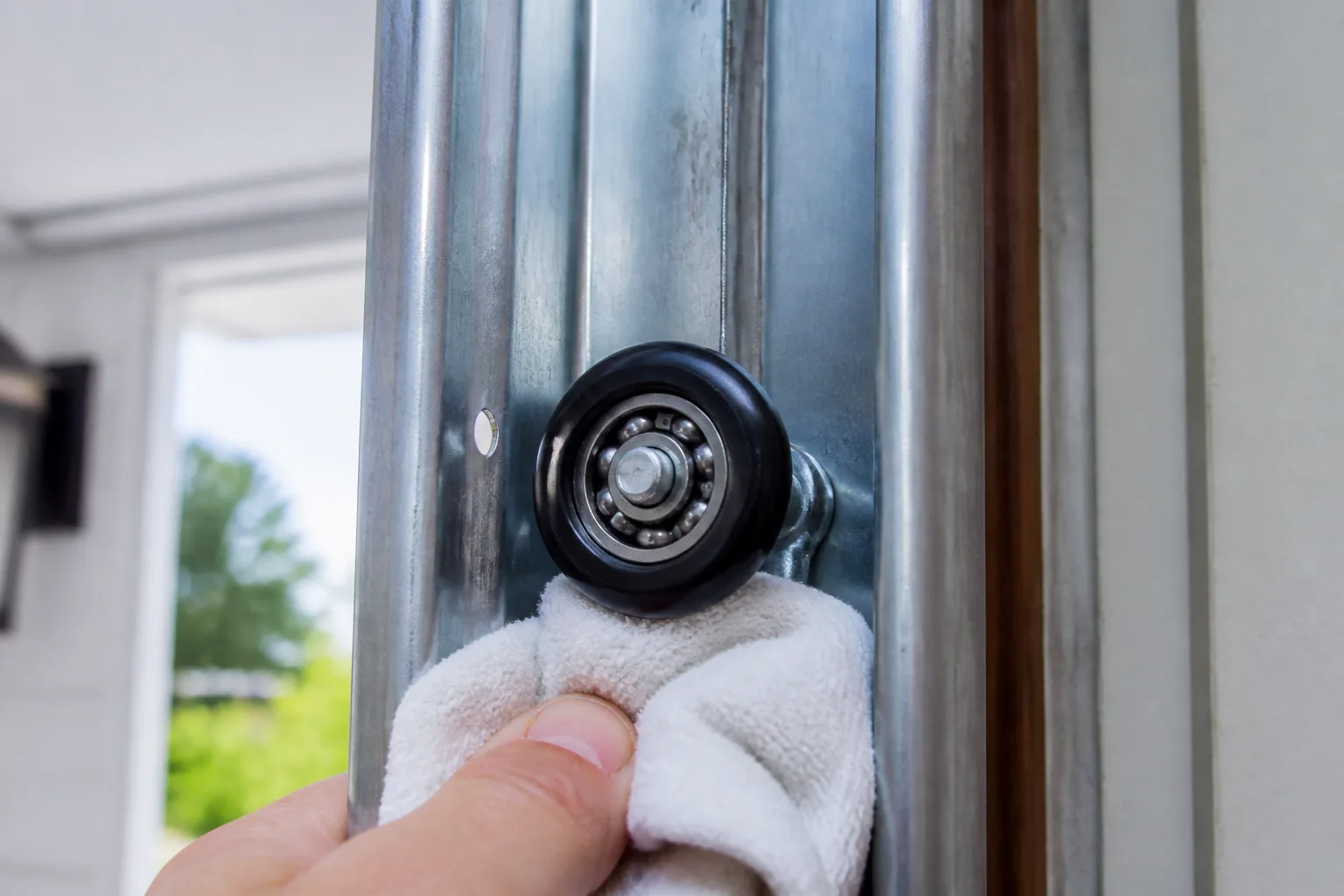
Want to prevent costly overhead door jams? Read our guide on garage door track maintenance to learn how to clean channels, inspect brackets, and keep rollers aligned.
Proper garage door track maintenance involves cleaning built-up debris out of the steel channels, tightening structural bracket hardware, verifying vertical alignment, and keeping rolling components lubricated. By systematically clearing grit and securing the track frame, you allow the door rollers to glide freely without binding or slipping out of position. Routine care protects your mechanical investment and serves as effective quick garage door repair prevention throughout the year.
Understanding the Garage Door Track System and Common Causes of Wear
The garage door track system serves as the structural guide rails for your entire overhead assembly. Every time the door opens or closes, heavy steel or nylon rollers travel along these vertical and horizontal metal channels. Because your overhead system carries significant structural weight and undergoes daily operational vibration, small mechanical shifts happen over time. Fasteners loosen, wall brackets flex, and the alignment of the tracks can gradually drift out of plumb.
Environmental conditions also play a major role in how smoothly your rollers travel. In New England, harsh winter cold snaps, road salt brought in by vehicles, and summer humidity create a tough environment for bare metal hardware. Moisture combined with airborne dirt and grit forms a abrasive sludge inside the track channels. If left uncleaned, this debris forces the rollers to drag rather than turn freely, accelerating wear on the roller bearings, hinges, and motor drive system. When homeowners neglect these foundational components, minor misalignments escalate into severe mechanical jams or complete derailment.
Signs of Track Misalignment and Essential Safety Checks
Before beginning any upkeep on your overhead system, it helps to identify common warning signs that indicate your track frame requires attention. Catching symptoms early prevents unnecessary strain on the opener motor and reduces the risk of structural failure. Knowing how to troubleshoot early symptoms helps homeowners safely maintain system balance before needing to fix garage door binding issues.
Key symptoms of track and roller problems include:
- Screeching, grinding, or popping noises during door travel.
- Visible gaps between the track channel and the roller wheels.
- Door panels hitching, shuttering, or sticking at specific points along the wall frame.
- Accumulated dark sludge, road grit, or metal shavings inside the metal guide rails.
- Loose mounting brackets or fasteners along the wall studs.
Before performing basic cleaning or hardware checks, take note of critical safety requirements. High-tension components—including torsion springs, bottom brackets, and lift cables—store tremendous energy. The U.S. Consumer Product Safety Commission (CPSC) warns that un-tensioning or tampering with high-tension hardware can cause sudden component failure and severe injury. Always inspect high-tension cables visually without placing hands near the bottom brackets, and call an experienced professional if cables appear frayed or loose.
Step-by-Step Guide: How to Maintain Garage Door Tracks and Keep Rollers Moving Smoothly
Step 1: Clean the Interior Channel of the Garage Door Track System
Begin by inspecting the inside of both vertical and horizontal guide rails. Use a clean microfiber cloth or shop rag sprayed with a mild solvent or dedicated automotive degreaser to wipe down the interior channels thoroughly. Reach inside the full length of the channel to lift out packed dust, road salt, dried grease, and cobwebs. Removing this buildup creates a smooth, flat surface for the roller wheels to turn across without slipping.
Step 2: Inspect Mounting Brackets and Tighten Structural Hardware
Examine every metal mounting bracket that secures the vertical tracks to your garage wall studs. Over time, motor vibration and heavy panel cycles cause bracket bolts to back out slightly. Use a socket wrench or nut driver to snug up all loose bolts along the wall framing and track joints. Ensure the brackets hold the steel rail firmly against the jamb without overtightening or distorting the metal flange.
Step 3: Check Alignment along the Vertical Garage Door Track System
Place a spirit level vertically against the flat exterior edge of each track rail to verify that the guide system stands straight and plumb. If the bubble sits off-center, the frame has shifted away from its proper vertical alignment. Gently loosen the wall bracket mounting bolts slightly, tap the track into a true vertical position using a rubber mallet, and retighten the hardware securely. Proper alignment prevents the rollers from binding or putting lateral stress on panel hinges.
Step 4: Inspect Rollers, Hinges, and Steel Bearings for Wear
Inspect every roller wheel along the side edges of your door. Nylon rollers should have smooth, un-chipped edges, while steel rollers should turn without grinding or binding. Check the central ball bearings inside each roller stem for free movement. If a roller is cracked, flattened, or seized, it must be replaced to keep the system moving evenly along the track path.
Step 5: Apply Lubrication Exclusively to Moving Bearings
Proper lubrication is essential for quiet operation, but applying grease in the wrong places actually damages your system. Spray a high-quality silicone or synthetic garage door lubricant directly onto moving metal roller bearings, shaft stems, and panel hinge pivot points. Never spray lubricant or grease inside the interior track channels. Wet oil inside the metal channel attracts sand, dirt, and hair, forming an abrasive paste that locks up bearing movement.
Step 6: Clear Debris Pathways and Inspect Final Roller Travel
After completing cleaning and hardware tightening, conduct a final visual sweep around the entire track perimeter. Make sure no extension spring safety cables, weatherstripping flaps, or overhead items interfere with the guide rails. Observe the system through a full opening and closing cycle, listening for smooth, quiet operation from bottom to top.
Routine Care and Preventative Maintenance Tips
Establishing a seasonal upkeep routine ensures your overhead system functions reliably through every New England weather change. Performing basic track maintenance twice a year—ideally during autumn before freezing temperatures arrive and in late spring after road salt season—prevents sudden winter jams.
Keep these ongoing care practices in mind:
- Keep garage floors near the track bases swept clear of leaves, road salt, and snowmelt slush.
- Avoid using thick grease, motor oil, or WD-40 on your tracking components.
- Inspect metal channels periodically for rust spots or dented flanges caused by trash cans or lawn equipment.
- Ensure perimeter weather seals do not drag against the outer edges of the door panels.
When to Call Experienced Garage Door Professionals
While surface cleaning and basic bolt tightening are straightforward, certain structural issues require specialized tools and expert handling. If your guide rails are visibly bent, twisted, or damaged from vehicle impact, attempting to hammer them straight can crack the steel and cause the door to fall out of place. Similarly, if your door hangs unevenly or a cable has slipped off its drum, high-tension components must be serviced through professional garage door track repair.
At Prime Garage Doors, our experienced professionals handle all minor and severe overhead structural repairs across the region. Whether you need local service in Greater Boston, expert assistance with garage door repair framingham ma, or regional support for saratoga springs garage door repair, we deliver reliable solutions tailored to your property.
Summary of Garage Door Track Maintenance
Regular maintenance of your garage door track system prevents costly mechanical failures and keeps your overhead door moving smoothly. By keeping track channels clean, tightening loose brackets, checking vertical plumb, and lubricating only the moving roller bearings, you protect your system from everyday wear and tear.
- Clean track channels thoroughly with a degreaser and rag—never apply grease inside the channels.
- Tighten loose mounting bracket bolts to maintain proper structural alignment along wall studs.
- Lubricate roller ball bearings and hinge pivot points using a dedicated silicone spray.
- Leave high-tension hardware, cable repairs, and bent track realignments to experienced technicians.
If your garage door is noisy, jammed, or off track, do not put your safety at risk. Contact Prime Garage Doors today at (844) 321-0914 to speak with our 24/7 phone support team or Request a Free Estimate to get your overhead door operating smoothly again.
Frequently asked
- How often should I clean and inspect my garage door track system?
- You should clean and inspect your garage door track system at least twice a year, ideally in autumn and late spring. Removing trapped debris, salt, and dirt prevents rust and reduces unnecessary friction on moving parts. Regular checks help catch loose structural hardware before minor issues turn into binding problems.
- Should I apply grease or lubricant inside the garage door track system channels?
- No, you should never apply grease or spray lubricant inside the interior track channels. Internal oil attracts grit and debris, creating a thick sludge that locks up moving parts and causes rollers to slip. Only lubricate the moving roller ball bearings, shafts, and hinge pivot points using a synthetic or silicone garage door lubricant.
- What causes a garage door to slip out of its track system?
- A door usually derails when high-tension cables snap, roller bearings seize, or mounting brackets back out of wall studs. Impact from a vehicle or trash can also bend the track system and force rollers out of alignment. Because overhead doors carry significant weight, off-track doors require immediate attention from experienced professionals.
- Can I hammer a bent garage door track rail straight by myself?
- Straightening a bent track channel with a hammer can stress the steel and cause invisible stress cracks that compromise structural integrity. Attempting DIY repairs on distorted rails often leads to jammed panels or door derailment. Damaged guide rails should always be inspected and realigned by experienced garage door technicians.
- What are the warning signs that my track hardware is misaligned?
- Key symptoms include unusual grinding or popping sounds during door operation, visible gaps between rollers and track edges, and panels that shudder during movement. You might also notice loose wall bracket bolts or accumulated metal shavings inside the guide rails. If you observe these warning signs, contact Prime Garage Doors to request a free estimate for professional track alignment.