Garage Door Repair
Reliable Garage Door Repair Stamford CT | Prime Garage Doors
August 28, 2026 · Prime Garage Doors
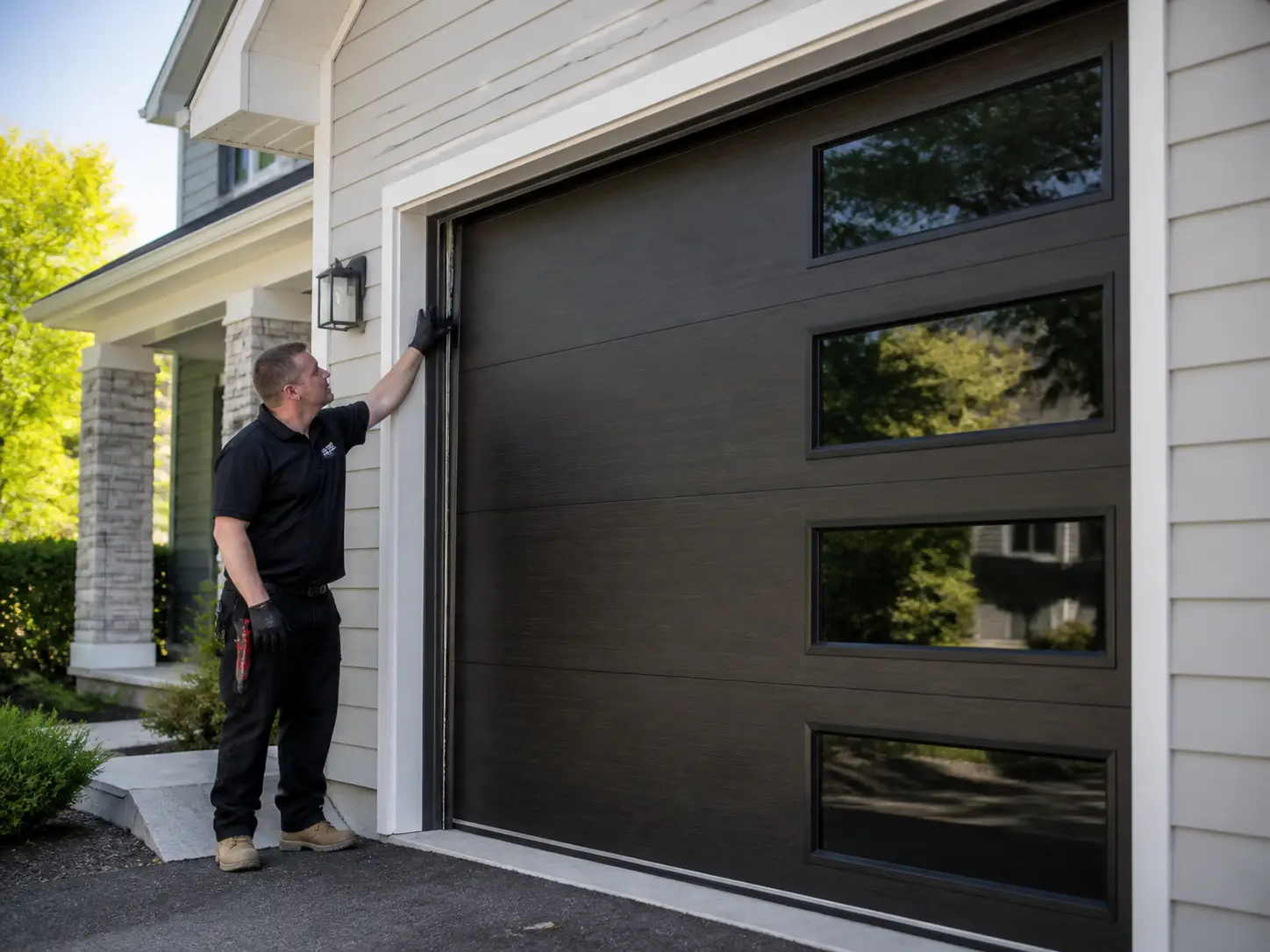
Looking for professional garage door repair stamford ct? Prime Garage Doors offers expert residential overhead door fixes and detailed visual inspections to keep your Fairfield County home secure.
When you need dependable garage door repair Stamford CT, getting the problem diagnosed quickly can help protect your home, vehicle, and daily routine. A garage door is a complex mechanical system that includes springs, lift cables, rollers, tracks, hinges, panels, safety sensors, and an automatic opener. When one component fails, the entire system may stop working correctly.
Common garage door problems in Stamford include broken springs, damaged or frayed cables, off-track doors, worn rollers, damaged panels, malfunctioning safety sensors, and garage door opener failures. Some basic problems can be checked safely by a homeowner, but repairs involving springs, cables, bottom brackets, drums, or severely damaged tracks should be handled by an experienced professional.
Prime Garage Doors provides garage door repair and related services in Stamford and surrounding Fairfield County communities. Customers can contact the team at (844) 321-0914 for service information, a free estimate, and available appointment options.
Common Garage Door Problems in Stamford CT
Garage doors operate repeatedly throughout the year. Normal wear, moisture, temperature changes, corrosion, and mechanical stress can gradually affect individual components.
Broken Garage Door Springs
Garage door springs are responsible for counterbalancing much of the door's weight. Every time the door opens or closes, the springs complete another operating cycle. Over time, repeated cycling can cause metal fatigue and eventually lead to spring failure.
A broken spring may produce a loud popping sound. You may also notice that the door suddenly feels much heavier than normal or that the automatic opener can no longer lift it.
If you suspect a broken spring, do not attempt to wind, unwind, remove, or replace it yourself. Springs can contain substantial stored mechanical energy, making improper repairs dangerous.
For additional information, read our guide to garage door spring repair.
Frayed or Broken Garage Door Cables
Lift cables work with the spring and drum system to help the garage door move evenly. Cables can deteriorate because of normal wear, corrosion, improper alignment, or damage to other components.
Warning signs can include:
A door that hangs lower on one side
A cable with visible broken strands
A cable that has come off its drum
Uneven door movement
A door that suddenly becomes crooked
A loose or damaged cable should not be pulled, reattached, or manually tensioned by an inexperienced homeowner. A professional inspection can determine why the cable failed and whether other components were damaged.
Off-Track Garage Doors
An off-track garage door can occur after a vehicle impact, broken cable, damaged roller, obstruction, or other mechanical problem.
The door may appear crooked, jam while opening, or become partially separated from the normal track path. Continuing to operate an off-track door can increase damage to the rollers, tracks, panels, and opener.
If your garage door is visibly off-track, stop operating the opener and keep people away from the area until the system can be inspected.
Garage Door Opener Problems
Not every garage door problem is caused by the door itself. Sometimes the automatic opener is responsible.
Common opener problems include:
The motor runs but the door does not move
The remote does not operate the opener
The opener reverses the door unexpectedly
The wall control does not respond
Safety sensors prevent closing
The drive belt, chain, or gear system is worn
The opener's electronic components have failed
A professional diagnosis can determine whether you need a simple adjustment, component replacement, opener repair, or a complete replacement.
For opener problems, see our garage door opener repair service.
How Stamford Weather Can Affect Garage Doors
Stamford experiences cold winters, humid summers, precipitation, and seasonal temperature changes. These conditions can contribute to wear, particularly when mechanical components are already aging.
It is important, however, not to assume that cold weather alone causes garage door springs or cables to fail. Springs primarily deteriorate through repeated operating cycles, material fatigue, corrosion, and other mechanical factors.
Moisture and Corrosion
Moisture can contribute to corrosion on exposed steel hardware. Garages that are frequently exposed to water, road salt, or damp conditions may require more frequent visual inspection.
Look for obvious rust, damaged cables, deteriorated fasteners, or other visible signs of wear.
Temperature Changes
Temperature changes can affect lubricants, batteries, and the movement of certain mechanical components. During colder weather, a garage door may sound or operate differently than it does during warmer months.
If the door suddenly becomes unusually difficult to operate, noisy, or uneven, do not assume the weather is the only cause. A professional inspection may identify an underlying mechanical issue.
Garage Door Repair Services in Stamford
Prime Garage Doors can assist with a range of residential and commercial garage door problems.
Garage Door Spring Replacement
When a torsion or extension spring breaks, the door may become extremely heavy or stop operating normally.
Professional spring service includes evaluating the existing system and selecting replacement components appropriate for the door. Correct spring sizing is important because the counterbalance system must work properly with the weight and configuration of the door.
Garage Door Cable Repair
Damaged cables can affect the balance and movement of the door. Professional cable service can include inspecting the drums, rollers, springs, and other related hardware to identify the reason for the failure.
Off-Track Garage Door Repair
An off-track door should be handled carefully. A technician can determine whether the problem originated with the track, rollers, cables, panels, or another component.
The goal is not simply to put the rollers back into the track but to identify and correct the underlying cause whenever possible.
Garage Door Opener Repair
A malfunctioning opener can make an otherwise functional garage door difficult or impossible to operate automatically.
Professional opener troubleshooting can address common problems involving:
Motors
Drive gears
Chains
Belts
Safety sensors
Wall controls
Remotes
Circuit boards
Limit and travel settings
Roller and Hinge Replacement
Worn rollers and hinges can cause squeaking, grinding, vibration, or uneven door movement.
Replacing damaged hardware can improve the door's movement and reduce unnecessary stress on other components.
Garage Door Panel Repair
A damaged panel can result from vehicle impact, weather exposure, accidental contact, or normal deterioration.
Depending on the door's construction and the extent of the damage, a professional may recommend repairing or replacing the affected section rather than replacing the entire garage door.
What to Check When Your Garage Door Stops Working
Before scheduling garage door repair in Stamford CT, there are a few basic checks you can perform without touching high-tension components.
Check the Remote Battery
If the wall-mounted control works but your handheld remote does not, the remote battery may be depleted.
Replacing the battery is a simple first step. If the remote still does not operate the door, it may need to be reprogrammed or professionally diagnosed.
If you use a LiftMaster remote, you can also review our LiftMaster 890MAX programming guide.
Check the Safety Sensors
Modern automatic garage door openers commonly use photoelectric safety sensors near the floor on both sides of the garage opening.
Dirt, cobwebs, objects, or misalignment can interfere with the sensor system. The CPSC explains that garage door openers use entrapment-protection systems and recommends testing reversing functions according to the manufacturer's instructions.
Clean the visible sensor lenses and make sure nothing is blocking the area between the sensors.
Never bypass or disable the safety sensors.
Check for Obvious Obstructions
Look around the garage door opening for bicycles, boxes, tools, ice, debris, or other objects that could interfere with movement.
Do not reach into the track or attempt to move components while the door is operating.
Listen for Unusual Sounds
A sudden change in sound can be an early warning sign.
Pay attention to:
Grinding
Scraping
Loud popping
Repeated banging
Excessive vibration
A motor that runs without moving the door
A door that suddenly becomes much louder
Noise alone cannot identify the failed component, but it can indicate that the system needs inspection.
Garage Door Safety: When Not to DIY
Some garage door maintenance tasks are relatively simple, but high-tension repairs are different.
Never attempt to repair or adjust the following without the appropriate training and equipment:
Torsion springs
Extension springs
Lift cables
Cable drums
Bottom brackets
Severely damaged tracks
A door that is badly off-track
Components under visible tension
If a spring breaks or a cable comes loose, keep people and vehicles away from the garage door and contact a qualified technician.
Do Not Force a Damaged Door
Repeatedly pressing the opener button will not solve a mechanical failure. In some situations, continuing to operate the system can cause additional damage.
If the door is crooked, extremely heavy, partially off-track, or making loud mechanical noises, stop using it until the problem has been evaluated.
Garage Door Opener Safety
Garage door openers are safety-critical devices because they control the movement of a heavy door.
The CPSC states that automatic residential garage door operators are subject to a federal consumer product safety standard and emphasizes the importance of entrapment protection and reversing systems.
The CPSC also recommends regular testing of the reversing function. If a garage door opener does not reverse properly, the opener should be adjusted according to the manufacturer's instructions or inspected by a professional.
Homeowners should also keep children away from moving garage doors and keep remote controls out of the reach of young children.
Emergency Garage Door Repair in Stamford CT
Some garage door problems require prompt attention because they affect access or security.
Examples include:
A broken spring leaving the door closed
A door stuck open
A snapped lift cable
An off-track door
A garage door damaged by a vehicle
An opener that suddenly stops working
A door that cannot close securely
When an urgent problem occurs, avoid trying to force the door open or closed.
If you need emergency garage door repair Stamford CT, contact a professional to discuss the condition of the door and available service options.
Serving Stamford and Nearby Communities
Prime Garage Doors provides service for homeowners and property managers in Stamford and surrounding Fairfield County communities.
Local Stamford areas include:
North Stamford
Glenbrook
Springdale
Westover
Shippan
Downtown Stamford
Harbor Point
Service may also be available in nearby communities depending on scheduling and technician availability.
Whether you need spring replacement, cable repair, opener troubleshooting, roller replacement, or an off-track garage door inspection, professional service can help determine the safest and most practical solution.
Why Choose Prime Garage Doors?
When a garage door stops working, homeowners generally want clear information before deciding how to proceed.
Prime Garage Doors focuses on straightforward service and practical repair recommendations.
Customers can request:
Free estimates
24/7 phone support
Same-day service availability
Garage door repair
Garage door opener repair
Spring replacement
Cable repair
Off-track door repair
Roller and hardware replacement
For scheduling and service availability, call (844) 321-0914 or request a free estimate.
Preventive Garage Door Maintenance for Stamford Homeowners
Regular observation can help identify problems before they become emergencies.
Inspect the Door Visually
Look at the door, tracks, rollers, hinges, springs, and cables from a safe distance. Do not touch components that may be under tension.
Keep the Door Path Clear
Do not store objects where they can interfere with the door's movement or safety sensors.
Watch for Uneven Movement
A door that suddenly tilts, binds, or moves differently from normal should be inspected.
Pay Attention to New Sounds
Grinding, scraping, popping, or excessive vibration can indicate developing mechanical problems.
Test Safety Features
Follow the opener manufacturer's instructions for testing the reversing system. The CPSC recommends regular testing of garage door opener reversing functions.
If the opener fails a safety test, discontinue use until the problem has been corrected.
When Should You Call a Garage Door Professional?
Professional service is recommended when:
The garage door spring has broken
A cable is frayed or disconnected
The door is crooked
The door has come off its tracks
The opener motor runs without moving the door
The door is unusually heavy
A panel has suffered significant impact damage
The door repeatedly reverses
The garage door will not close securely
You hear a loud mechanical bang followed by loss of operation
These symptoms can involve more than one component, so repairing only the visible problem may not address the underlying cause.
Key Takeaways: Garage Door Repair Stamford CT
Finding reliable garage door repair Stamford CT starts with identifying the problem and knowing when professional service is necessary.
Garage door springs naturally wear through repeated operating cycles and can eventually fail.
Cables, springs, drums, and bottom brackets can involve significant stored mechanical energy.
Dirty or obstructed safety sensors can prevent an automatic opener from closing.
A remote battery is an easy first check when the wall control works but the remote does not.
Off-track or severely damaged garage doors should not be forced.
Automatic garage door openers should have properly functioning reversing and entrapment-protection systems.
Spring, cable, and major track repairs should be performed by appropriately trained professionals.
Regular inspection can help identify unusual wear before it develops into a more serious problem.
If your garage door is stuck, noisy, off-track, or refusing to open, don't risk making the problem worse by forcing the system.
Prime Garage Doors provides garage door repair services in Stamford and surrounding areas, with free estimates, 24/7 phone support, and same-day service availability.
Call (844) 321-0914 or Request a Free Estimate to discuss your garage door problem and schedule service.
Frequently asked
- What should I do if my garage door spring breaks?
- If a garage door spring breaks, stop using the door immediately and do not attempt to open it manually or with the automatic opener. Garage door springs operate under extreme mechanical tension, making DIY repairs hazardous. Contact Prime Garage Doors at (844) 321-0914 to Request a Free Estimate and schedule service with experienced professionals.
- How do I know if my garage door safety sensors are malfunctioning?
- Common signs of malfunctioning safety sensors include a door that reverses back open immediately or an opener light that flashes when attempting to close. Make sure the sensor lenses are clean and aligned properly without any obstruction blocking the path. If the issue persists, contact an experienced technician for professional troubleshooting.
- Why is my garage door moving off its track?
- A garage door usually comes off its track due to a broken lift cable, a vehicle impact, worn rollers, or misaligned track sections. Operating an off-track door can cause severe structural damage to the panels, tracks, and opener motor. Call Now for prompt professional assistance to safely align and repair your system.
- Can I replace a single garage door panel instead of the whole door?
- Yes, in many cases individual damaged panels can be replaced if the door style and model are still available. An experienced technician can inspect the structural integrity of your existing door to determine whether section replacement is practical. Request a Free Estimate to evaluate the best solution for your door.
- How can cold weather affect garage door performance?
- Freezing temperatures and moisture can cause lubricants to thicken, contract metal components, or freeze bottom weather seals to the ground. Seasonal temperature changes can also exacerbate existing mechanical wear on springs, cables, and opener drives. Scheduling garage door repair stamford ct early helps keep your door operating smoothly year-round.