
Garage Door Repair
How-to guideGarage Door Repair Nashua NH: Reliable Local Service
August 28, 2026 · Prime Garage Doors
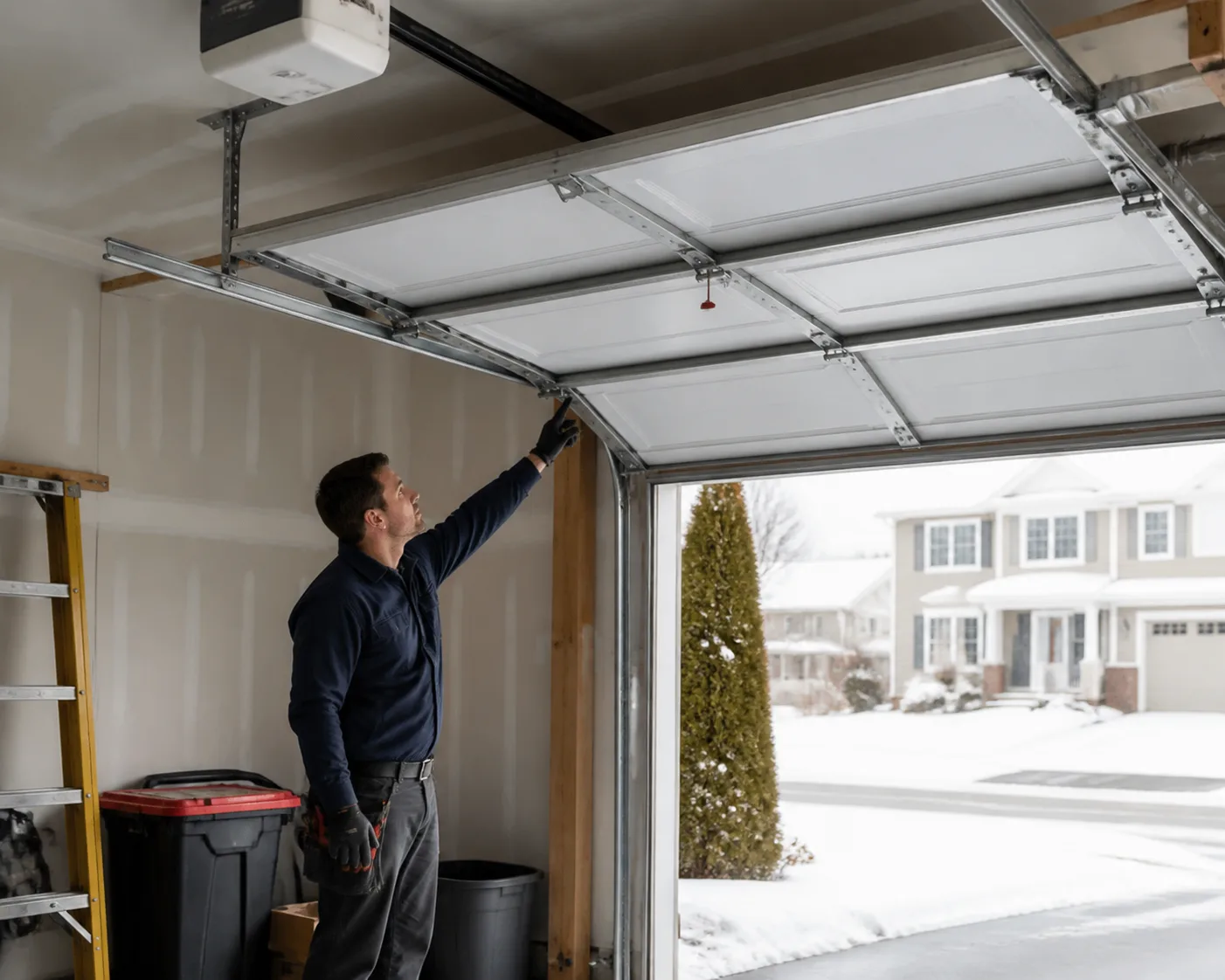
Garage door repair Nashua NH homeowners can rely on professional service for broken springs, damaged cables, off-track doors, and opener problems. Prime Garage Doors provides experienced solutions designed to restore safe, reliable garage door operation.
When an overhead door stops moving, reverses unexpectedly, or makes harsh grinding noises, performing safe initial troubleshooting helps identify whether you are dealing with a minor electrical glitch or severe mechanical failure. Homeowners facing garage door repair issues in Nashua, NH and across the Greater Boston area can safely complete basic non-tension checks before reaching out for professional assistance. For broken springs, frayed lift cables, or off-track doors, relying on experienced garage door professionals ensures your property remains safe and secure.
Understanding Garage Door Failures in New England
Residential garage doors are complex mechanical systems under continuous physical stress. A standard system relies on an electric opener, high-tension counterbalance springs, steel lift cables, hinges, rollers, and a garage door track system to lift and lower heavy panels smoothly. Because these individual components operate in strict coordination, wear or damage on a single part quickly affects the performance of the entire door.
New England climate conditions accelerate wear on garage door hardware. Freezing winter temperatures, ice accumulation, and frequent thaw cycles create significant operational challenges. Moisture from snow and ice gets trapped along bottom rubber seals, rusting structural steel components and freezing bottom panels directly to concrete driveways. Additionally, slush mixed with road salt brought into the garage by vehicles leaves corrosive residue on lower track sections, rollers, and bottom mounting brackets.
Rapid temperature drops also cause metal hardware to contract. Counterbalance springs—which bear the actual structural weight of the door—endure severe tension cycles daily. Extreme cold increases metal fatigue in aging springs, making them significantly more prone to snapping during early morning or late evening operations, often requiring professional garage door spring repair. Recognizing how local weather patterns impact your system allows you to identify minor issues before a complete system failure leaves your vehicle trapped inside.
Common Symptoms of Hardware Damage and Safe Initial Checks
Before performing any troubleshooting steps, visually inspect your overhead door while it remains stationary. Observing specific warning signs helps you determine whether a problem requires minor sensor cleaning or immediate professional mechanical repair.
Common symptoms of garage door hardware failure include:
- Unresponsive motor: The electric opener unit fails to respond when pressing wall-mounted buttons or remote controls.
- Motor runs without panel movement: The motor drive sprocket spins or trolley moves, but the door panels stay stationary on the floor.
- Partial travel and automatic reversal: The door travels downward partway, stops abruptly, and reverses direction while the opener lights flash.
- Crooked or binding panel alignment: The door panel hangs unevenly, sits tilted in the opening, or jams tightly inside the garage door track system.
- Loud mechanical noise: Severe popping, scraping, or grinding sounds occur right before or during door movement.
- Visible component damage: Gaps in coil springs, slack or unraveling steel lift cables, displaced rollers, or cracked hinge plates.
High-tension hardware safety warning: Counterbalance torsion springs, extension springs, lift cables, cable drums, and lower corner brackets operate under extreme mechanical tension. The U.S. Consumer Product Safety Commission (CPSC) warns consumers that sudden release or improper handling of high-tension garage door components can result in severe impact injuries. Homeowners should never attempt to loosen, unwind, adjust, or repair high-tension springs or lift cables.
How to Safely Troubleshoot Garage Door Problems Step by Step
Homeowners can follow this systematic guide to isolate everyday operational issues safely without interacting with high-tension hardware components.
Step 1: Inspect Power Outlets and Circuit Breakers
Begin your diagnosis by inspecting the electrical connection powering your garage door opener unit. Confirm that the power cord is firmly plugged into the ceiling outlet and that the outlet itself has active power.
If the opener status lights and wall console display remain completely dark, check your home’s main electrical panel. Reset any tripped circuit breakers or ground fault circuit interrupter (GFCI) outlets linked to the garage electrical circuit. Once power is restored, test the system using the wall console.
Step 2: Check Remote Control Batteries and Keypad Operation
If the wall-mounted console operates the door properly but handheld remotes or exterior wireless keypads fail to respond, the issue usually involves power transmission. Open the remote casing and replace depleted batteries with fresh units matching manufacturer specs.
Stand inside the garage within direct line of sight of the motor unit and press the transmitter button. If the opener still fails to react after battery replacement, wipe away smudges from the remote transmitter lens and check for interference from nearby electronic devices.
Step 3: Clean and Align Photo-Eye Safety Sensors
Infrared photo-eye safety sensors are mounted near floor level on both sides of the garage door opening. If the invisible light beam passing between these sensors is interrupted or misaligned, the opener will prevent the door from closing and flash its diagnostic lights.
Use a clean, dry microfiber cloth to gently wipe away dust, cobwebs, moisture, or salt film from both sensor lenses. Inspect the surrounding area to ensure lawn tools, trash bins, or accumulated snow do not block the path of the safety beam.
Step 4: Clear Debris From the Garage Door Track System
Examine the vertical and horizontal steel channels along the garage door track system on both sides of the doorway. Built-up dirt, fallen leaves, small gravel, or hardened debris inside the channel can prevent rollers from moving freely.
Using a stiff hand brush, clear out visible dirt and foreign objects from inside the tracks. Keep in mind that you should never apply grease, heavy oil, or petroleum lubricants inside the channels of the garage door track system. Internal lubrication collects grit and road debris, leading to roller slippage and operational jamming.
Step 5: Inspect Roller Assemblies, Hinges, and Hardware
Inspect the visible steel hinges, roller stems, and mounting brackets positioned along the inner side of your door panels. Look for broken roller wheels, worn bearings, cracked hinge leaves, or loose structural screws.
If you find loose fastening bolts on center hinges, tighten them securely using standard hand tools. If roller stems appear bent, cracked, or completely detached from the garage door track system, cease using the door immediately and request professional service.
Step 6: Address Bottom Seal Adhesion and Freezing Conditions
During cold weather, melting snow and rain collect underneath the rubber weather seal along the bottom edge of the lower door panel. When ambient temperatures plunge overnight, this accumulated water can freeze the bottom rubber seal directly to the concrete driveway floor.
If the door remains stationary while the motor attempts to pull upward, do not force the opener to run continuously. Apply warm water or safe melting ice compounds along the outer edge of the bottom seal to clear the ice bond. Once the rubber seal releases cleanly from the concrete, test the door again using the wall console.
Step 7: Identify High-Tension Component Failures for Repair
Look directly above the top frame header (on torsion spring configurations) or along the side tracks (on extension spring configurations) to inspect the spring assemblies visually. A broken spring displays an obvious, visible gap between its wound steel coils.
Check the vertical lift cables running down both sides of the door structure. If you spot frayed wire strands, loose cable loops hanging off the side drums, or complete detachment from the bottom bracket, keep the door stationary and arrange for professional service right away.
Routine Maintenance Practices After Troubleshooting
Regular maintenance extends the operating life of your garage door hardware and ensures smooth, quiet performance through New England's changing seasons. Performing visual checks and proper care prevents premature wear on critical mechanical components.
Apply proper lubrication every six months to keep moving parts operating smoothly and reduce mechanical friction. Use a high-quality synthetic garage door lubricant or silicone spray designed specifically for overhead door hardware. Apply lubricant directly to roller bearings, roller stems, hinge pivot points, and end-bearing plates.
Never spray lubricants or apply heavy grease inside the channels of the garage door track system. Greasy track interiors trap dirt, sand, and road salt, forming a abrasive paste that causes rollers to slide rather than turn, leading to flat spots on roller wheels and off-track failures.
Maintain clean floor conditions around the entrance of your garage. Regularly sweep away slush, salt deposits, leaves, and dirt near the doorway to shield bottom corner brackets and weather stripping from moisture damage and corrosion. Inspect the bottom rubber seal regularly to ensure a tight seal against rain, wind, and pests.
When to Call Experienced Garage Door Professionals
While clearing track debris and replacing remote control batteries are safe tasks for homeowners, repairs involving high-tension parts require specialized tools and expert training. If your garage door won't open due to tension strain or hardware fatigue, attempting to service tensioned torsion springs, lift cables, or off-track panels without professional assistance poses severe safety risks.
Contact experienced garage door professionals immediately if you observe any of the following critical conditions:
- The door panel is crooked, visibly off its tracks, or hanging unevenly in the opening.
- A torsion or extension spring shows a clear physical separation across its coils.
- Steel lift cables are frayed, unspooled, or disconnected from lower structural brackets.
- Door panel sections are buckled, severely dented, or cracked.
- The opener motor strains excessively, makes heavy grinding sounds, or fails to move intact panels.
Prime Garage Doors delivers reliable residential and commercial service across Greater Boston out of our central location in Watertown, MA. Our team provides expert spring replacement, lift cable repair, roller installation, garage door track system alignment, opener repair, and new garage door installations. When you need fast support from skilled technicians, Request a Free Estimate or call our team directly at (844) 321-0914 to discuss your garage door needs.
Summary of Garage Door Repair and Safety
Managing garage door performance in Nashua, NH and the Greater Boston area requires balancing basic user maintenance with strict observance of mechanical safety limits. Understanding how cold temperatures, road salt, and structural stress affect your system allows you to manage routine battery replacements, track clearing, and sensor alignment while leaving high-tension spring and cable work to qualified technicians.
- Complete safe visual inspections of power outlets, remote batteries, and safety sensors before requesting service.
- Lubricate moving roller bearings, hinge pivots, and end bearings twice a year, but keep track channels completely dry and clean.
- Keep the garage entrance free of snow, ice, and salt to protect weather seals and prevent panel freezing.
- Cease operating the door immediately if you observe broken counterbalance springs, damaged lift cables, or off-track rollers.
When you encounter complex structural issues or high-tension hardware breakdowns, securing same day garage door repair near me ensures your door is restored safely. Schedule Service with Prime Garage Doors today or call (844) 321-0914 to get experienced support for your home.
Frequently asked
- Can I replace a broken garage door spring myself?
- Garage door springs operate under extreme mechanical tension and should never be repaired, adjusted, or replaced by a homeowner. Attempting DIY spring replacement can lead to severe personal injury or additional property damage. Contact an experienced professional at Prime Garage Doors to handle high-tension components safely.
- How does New Hampshire winter weather affect garage door hardware?
- Freezing winter temperatures can increase mechanical friction, while moisture and slush carried in on vehicles can freeze the bottom weather seal to the garage floor. Operating a door frozen to the ground places heavy strain on the opener motor and lift hardware. Additionally, road salt brought into the garage can contribute to metal corrosion over time.
- What should I do if my garage door comes off its tracks?
- Stop operating the door immediately, disconnect the power if it is safe to do so, and keep people and vehicles away from the area. Forcing an off-track door to move can cause structural panel damage, track bending, or cable failure. Call Prime Garage Doors at (844) 321-0914 to schedule service with an experienced technician.
- Why is my garage door opener running without moving the door?
- This problem often occurs when the emergency release cord has been disengaged, drive gears are worn down, or a spring has broken, making the door too heavy for the motor to lift. Avoid running the motor repeatedly to prevent thermal overload or gear damage. Contact our experienced technicians for a quick diagnosis and safe repair.
- Does Prime Garage Doors offer free estimates for repairs in Nashua, NH?
- Yes, Prime Garage Doors provides free estimates for garage door repair and replacement services in Nashua, NH, and surrounding communities. Our experienced technicians evaluate the complete system, pinpoint the cause of the issue, and provide straight answers before any work begins. You can reach our team anytime with 24/7 phone support at (844) 321-0914.