
Garage Door Repair
How-to guideHow to Repair a Garage Door: A Beginner's Safety Guide
September 18, 2026 · Prime Garage Doors
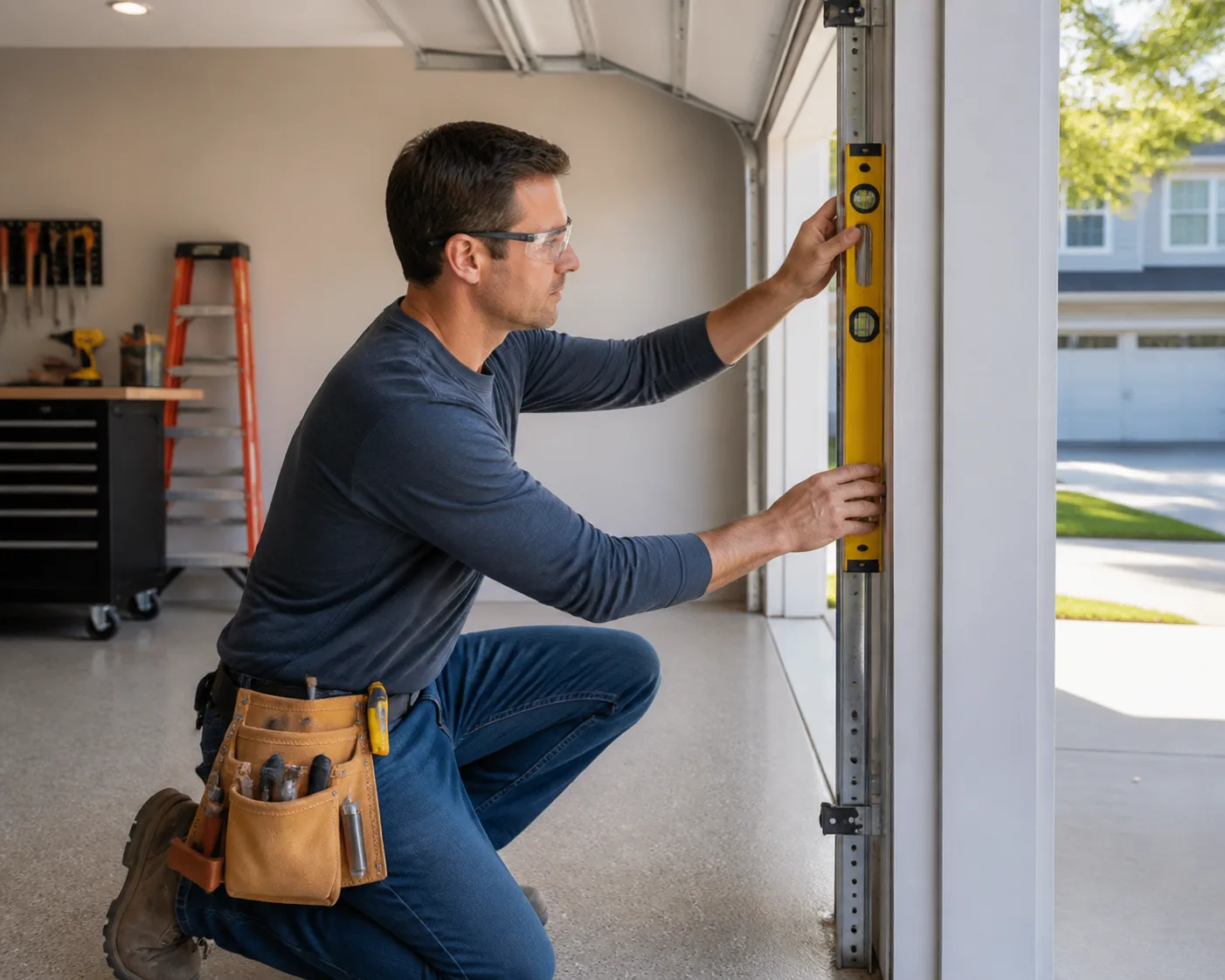
Wondering how to repair a garage door without risking your safety? Discover the essential step-by-step troubleshooting workflow and learn how to repair garage door issues efficiently.
Learning how to perform basic garage door troubleshooting begins with understanding where safe DIY maintenance ends and high-tension danger starts. Homeowners can easily address noisy operation, dirty track channels, and misaligned safety sensors through simple visual inspections and non-invasive servicing. However, complex tracking errors, broken springs, and cable failures require specialized tools and experienced professionals to prevent personal injury and property damage.
Understanding Overhead Garage Door Systems and Common Causes of Failure
A residential overhead door is a complex system composed of interconnected mechanical, structural, and electrical parts. Every component must operate smoothly together to handle hundreds of pounds of moving weight multiple times each day. Understanding how these pieces function makes it much easier to spot minor wear before it causes a complete system breakdown.
- Door Panels: Hinged steel, wood, or aluminum sections that form the main structural barrier of your garage.
- Garage Door Track System: Steel channels mounted to your garage walls and ceiling that guide the roller wheels during movement.
- Rollers and Hinges: Wheel assemblies that glide inside the track channels and metal hinge plates that allow the door panels to articulate smoothly.
- Counterbalance Springs: High-tension torsion springs mounted above the door opening or extension springs positioned along the overhead tracks that support the door's physical weight.
- Lifting Cables: Heavy-duty steel cables connected to bottom corner brackets that transfer spring energy to lift the lower panels.
- Automatic Opener: The motorized system using a belt, chain, or screw drive to control door travel and hold the panel assembly securely in place.
When working to fix garage door issues, regional weather plays a major role in system wear. New England cold snaps make spring metal brittle and thicken old lubricants. Humidity and salt exposure near coastal communities can accelerate surface rust along steel tracks and cables. Recognizing how environmental stress impacts these mechanical parts helps homeowners schedule maintenance before emergency repairs become necessary.
Signs of Garage Door Problems and Pre-Repair Safety Checks
Before touching any hardware, perform a visual inspection while the door remains stationary. Identifying early warning signs allows you to perform basic care safely without putting yourself in harm's way.
- Grinding or Squeaking Noises: Excessive noise usually points to unlubricated hinge pivots, dry roller bearings, or dirty track channels.
- Failure to Close Fully: If the door starts closing and immediately reverses, the photo-eye safety sensors are often misaligned or blocked.
- Visual Gaps in Spring Coils: A clear gap split across a torsion spring coil indicates a snapped spring, which prevents the door from lifting safely.
- Slack or Frayed Cables: Loose, unspooled, or unraveling lifting cables mean high-tension components have lost proper mechanical balance.
- Vibration or Jerky Movement: Loose mounting brackets or worn roller stems cause panels to shudder along the garage door track system during travel.
Safety must always remain your top priority during any evaluation. Standard counterbalance components store extreme energy that can cause severe impact injuries. According to safety guidance issued by the U.S. Consumer Product Safety Commission (CPSC), high-tension hardware present on residential doors poses significant mechanical risks if tampered with or unbolted by untrained individuals. Never loosen bottom corner brackets, tension springs, or lifting cables. For safe DIY maintenance, gather basic protective gear, including eye protection, work gloves, a socket wrench set, a microfiber cloth, a mild household degreaser, and a dedicated garage door spray lubricant.
Step-by-Step Guide to Basic Garage Door Inspection and Troubleshooting
This sequential guide covers safe diagnostic steps and minor maintenance procedures homeowners can complete without touching high-tension tension systems.
Step 1: Disconnect Opener Power Safely
Before inspecting or cleaning physical hardware, disconnect electrical power to your automatic opener motor. Unplug the motor unit directly from its ceiling receptacle or switch off the dedicated circuit breaker at your electrical panel. Disconnecting power prevents the door from moving unexpectedly while your hands are near hinges or steel channels.
Step 2: Perform a Stationary Visual Diagnostic
Stand inside the garage with the door fully closed and examine all visible components under good lighting. Look closely at the metal panel sections for cracks, structural sag, or severe dents. Check every roller wheel to see if any nylon shells are split or if steel bearings have fallen out of their casings. Inspect the lifting cables running along both sides of the frame to verify they sit neatly on their drums and show no signs of unraveling or rust.
Step 3: Clean the Garage Door Track System Channels
Over time, airborne dust, outdoor dirt, and hardened grease accumulate inside the vertical and horizontal steel channels. This buildup creates friction and causes roller wheels to bind. Dampen a clean microfiber cloth with a mild household degreaser and wipe out the inner curve of both tracks. Thoroughly clean away all old grease, leaves, and grit. Once clean, dry the tracks completely using a fresh cloth.
Strict Lubrication Rule: Never apply grease, engine oil, or spray lubricant to the interior of the garage door track system channels. Lubricating the tracks causes roller wheels to skid and slide across the steel rather than turn smoothly, leading to flat spots on rollers and tracking misalignment.
Step 4: Lubricate Moving Metal Hardware
While track channels must remain dry, moving metal-to-metal contact points require regular lubrication to reduce wear and minimize noise. Apply a light mist of specialized garage door lubricant to the center ball bearings of each roller wheel, the pivot pins of all panel hinges, and the surface of the top support bearings. You can also spray a light coat onto the exterior of torsion spring coils to prevent surface rust and reduce coil friction during movement. Wipe away any excess spray with a rag to prevent dripping.
Step 5: Realign and Clean Photo-Eye Safety Sensors
Photo-eye safety sensors are mounted on both sides of the door opening near the floor. If these sensors become dirty or bumped out of position, the opener motor will assume an obstruction is present and refuse to close the door. Use a soft, dry cloth to gently remove dust, cobwebs, and moisture from both optical lenses. Check the small indicator light on each sensor housing. One light usually shines steady amber, while the opposite receiving light shines green. If the green light flickers or remains off, loosen its mounting bracket thumbscrew slightly and adjust the sensor angle by hand until the indicator light glows steadily, then tighten the bracket.
Step 6: Tighten Loose Structural Mounting Hardware
The daily operation of a heavy overhead door creates continuous vibration that can slowly back out mounting fasteners over time. Take a socket wrench and gently check the bolts securing the vertical track brackets to your garage wall framing. Tighten any loose nuts on panel hinge plates and upper opener support straps. Be careful not to overtighten fasteners, as stripping the metal threads can weaken structural framing connections.
Step 7: Restore Power and Test System Operation
Once all cleaning, lubrication, and bracket checks are finished, clear all tools and rags away from the door framing. Plug the opener motor back into its electrical outlet and restore power at the breaker panel. Test system response using your wall button and remote transmitters. The door should move smoothly along its tracks with noticeably quieter operation and consistent sensor response.
Long-Term Maintenance Tips After Performing Basic Servicing
Maintaining an overhead door requires consistent attention throughout the year to account for changing weather and daily wear. Implementing a simple routine helps preserve electrical systems and mechanical components.
- Wipe Down Safety Sensors Monthly: Dust, pollen, and spiderwebs collect quickly on low-mounted sensor lenses. Cleaning them regularly prevents unexpected closing failures.
- Inspect Weather Stripping Seasonally: Check the rubber seal along the bottom panel edge. Replace cracked or hardened weather seals to block cold drafts, rainwater, and road salt from entering your space.
- Keep Tracks Clear of Debris: Check track channels every few months to clear out lawn clippings, road gravel, or salt dust that can foul roller movement.
- Apply Semi-Annual Lubrication: Apply dedicated garage door lubricant to moving roller bearings and hinges every spring and fall to prevent oxidation and reduce mechanical drag.
For homeowners managing residential properties in eastern Massachusetts, professional solutions like garage door repair waltham provide dependable support when severe seasonal wear damages track framing or panel alignment. Similarly, property owners seeking maintenance support in western suburbs can rely on garage door repair framingham ma for expert assistance with structural adjustments.
When to Stop DIY Work and Call an Experienced Professional
While routine cleaning and sensor adjustments are safe home tasks, major mechanical failures present severe physical risks. Stop work immediately and seek qualified repair services if you encounter any of the following critical conditions:
- Broken Counterbalance Springs: Replacing coiled torsion or extension springs requires specialized winding tools, precise tension calculations, and technical experience.
- Snapped or Unspooled Lifting Cables: High-tension cables under immense force can lash out unpredictably if unbolted incorrectly.
- Derailed or Off-Track Panels: A door that has jumped its tracks is structurally unstable and risks collapsing entirely. Never force or push an off-track panel.
- Worn Opener Motor Gears: Internal plastic drive gears inside the opener casing require complete motor disassembly and electronic recalibration when stripped.
Homeowners in surrounding New York regions facing mechanical errors can connect with dedicated technicians for saratoga springs garage door repair to ensure hardware is repaired according to strict safety standards. Whether dealing with sudden spring failure or severe tracking issues, professional service guarantees your door system is restored safely.
At Prime Garage Doors, based out of Watertown, MA 02472, our team delivers complete garage door repair, opener replacement, spring service, and track realignment throughout the Greater Boston area. We offer free estimates, 24/7 phone support at (844) 321-0914, and same-day service availability to resolve urgent door issues quickly. Contact our experienced professionals whenever you need straightforward, dependable service for your residential or commercial overhead doors.
Key Takeaways for Safe Garage Door Care
Maintaining your garage door requires balancing basic preventative tasks with strict safety boundaries around high-tension hardware. Performing routine visual inspections, keeping steel track channels clean, and lubricating moving bearings extends the lifespan of your door system while protecting your home.
- Clean dirt out of steel track channels, but never apply oil or grease inside the tracks.
- Lubricate moving roller bearings, panel hinges, and torsion spring exteriors twice a year.
- Keep photo-eye safety lenses clean and aligned to ensure proper automatic reversing.
- Never attempt to loosen, unwind, or repair high-tension counterbalance springs or bottom cable brackets yourself.
- Stop operating the door immediately if you observe broken springs, frayed cables, or off-track panels.
If your overhead door is grinding, stuck, off track, or operating unreliably, do not risk personal injury or property damage trying to force it open. Request a Free Estimate from Prime Garage Doors today or call our local Watertown team directly at (844) 321-0914 for fast, reliable service across Greater Boston.
Frequently asked
- What garage door maintenance tasks are safe for homeowners to perform themselves?
- Homeowners can safely clean dirt out of the steel channels, replace remote batteries, and wipe down misaligned photo-eye safety sensors. You can also lubricate moving bearings, roller stems, and hinges using a dedicated garage door spray. Any work involving high-tension counterbalance springs, lifting cables, or track realignment should always be left to experienced professionals.
- Why should you never lubricate the inside of a garage door track system?
- Applying oil, grease, or silicone lubricant inside the track channels causes roller wheels to slide across the steel rather than turn properly. This skidding leads to flat spots on the rollers and causes the door to bind or slip out of alignment. The inside of the garage door track system should always remain clean, clear, and completely dry.
- How do you troubleshoot a garage door that reverses before closing completely?
- This issue is frequently caused by dirty, blocked, or misaligned photo-eye safety sensors located near the floor on either side of the door frame. Gently clean the glass lenses with a soft, dry cloth and adjust the sensor brackets by hand until both LED indicator lights remain steady. If the door continues reversing after clearing the sensor path, contact a professional to inspect the motor limit settings.
- When is it dangerous to attempt a DIY garage door repair?
- Any repair involving counterbalance springs, lifting cables, bottom corner brackets, or off-track doors involves extreme mechanical tension. Attempting to unbolt or unwind these high-tension parts without professional equipment and training can cause sudden component failure and severe injury. Stop operating the door immediately and call an experienced service technician if high-tension hardware is damaged.
- How does winter weather affect overhead garage door performance?
- Sub-freezing temperatures cause low-grade lubricants to thicken, placing extra strain on the automatic opener motor during operation. Cold snaps also cause metal components to contract, making aged or rusted counterbalance springs far more prone to snapping unexpectedly. Regular seasonal cleaning and applying lightweight lubricant to moving bearings and hinges help protect metal parts throughout New England winters.