
Maintenance
How-to guideSunlight Blinding Your Garage Door? Causes, Fixes, and Light Sensor Repair Options
October 20, 2026 · Prime Garage Doors
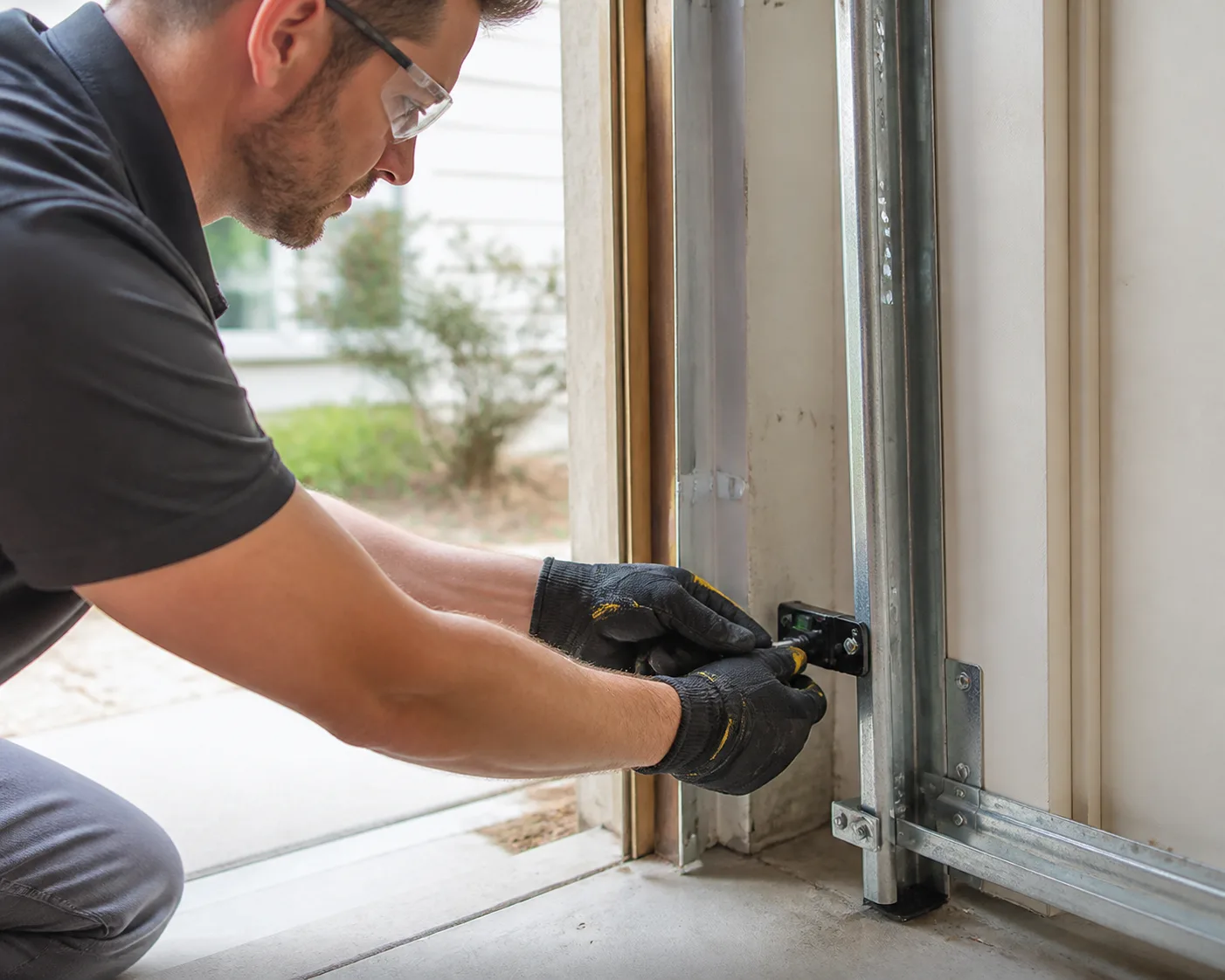
• Is your garage door refusing to close? Learn how to perform a DIY garage door light sensor repair, align your safety eyes, and fix blinking indicator lights.
If your automatic garage door opens normally but abruptly stops, reverses, and flashes its overhead light when trying to close on sunny mornings or afternoons, bright sunlight blinding the receiving photo-eye sensor is likely the culprit. Direct, intense infrared radiation from the sun can overpower the receiver’s optical lens, convincing your opener system that an invisible hazard is blocking the doorway. Identifying whether sunlight glare, bracket drift, dust accumulation, or damaged wiring is responsible ensures you can address the problem safely without compromising daily security.
Why Sunlight Can Affect Garage Door Safety Sensors
Modern automatic garage door openers rely on a pair of photo-eye safety sensors mounted near the floor on each side of the doorway. One sensor acts as the sender, emitting an invisible infrared light beam across the threshold to the receiving sensor. When this beam is continuous, the garage door motor receives permission to close smoothly. However, natural sunlight contains high levels of infrared radiation. When the sun sits low on the horizon—such as during morning hours in Watertown or late afternoons across Somerville and Cambridge—direct rays can strike the receiving sensor head at the exact angle needed to blind its internal photo-diode.
When the receiving lens is saturated with natural infrared light, it can no longer distinguish the sender’s targeted signal from the environmental background glare. The opener software interprets this loss of communication as a physical object obstructing the entryway. As mandated by safety regulations overseen by the U.S. Consumer Product Safety Commission (CPSC) to prevent entrapment hazards, the motor immediately halts downward movement and reverses the door to the fully open position.
It is important to understand that glare sensitivity does not mean your motor has failed. Rather, it highlights how environmental conditions, doorway orientation (such as east-facing or west-facing garages), and slight component misalignment intersect. While sunlight interference is seasonal and dependent on time of day, underlying issues like loose mounting hardware, pitted plastic lenses, or degraded wiring often turn minor sun glare into a persistent daily nuisance.
Signs That Sunlight May Be Part of the Problem
Before jumping to conclusions or replacing electric components, observing how your door behaves under different lighting conditions will help isolate optical interference from mechanical binding or electrical faults. Pay close attention to the timing, indicator lights, and operational patterns of your motor.
Key symptoms and preliminary checks include:
- Time-Specific Reversals: The door functions flawlessly at night, during rainy weather, or when the sun is directly overhead, but fails consistently at a specific hour of the morning or afternoon.
- Flashing Opener Bulbs: Upon reversing, the main overhead opener light blinks repeatedly (typically 10 times), indicating an optical obstruction fault code.
- Flickering Sensor LEDs: The small LED indicator light on the receiving sensor unit dims, flickers, or turns off entirely only when direct sunlight strikes the housing.
- Physical Obstruction Verification: The floor area, lower door panel, and garage door track system are completely clear of leaves, trash, ice, or garden tools.
- Hardware Stability Check: Mounting brackets attached to the garage door track system appear loose, bent, or capable of vibrating out of alignment during door travel.
Safety Warning: While inspecting optical components is safe for homeowners, never attempt to adjust, repair, or disconnect high-tension components such as torsion springs, counter-balance cables, bottom brackets, or the door panels themselves. Garage door springs and cables store massive amounts of mechanical energy and can cause severe injury if handled without proper training. If your door exhibits binding, jerking movement, or snapped cables, keep clear and contact experienced professionals right away.
How to Document and Identify Safety Sensor Interference: Step-by-Step
When diagnosing optical sensor issues, taking a methodical approach prevents unnecessary expenses and keeps your door operating reliably. Follow these sequential steps to pinpoint whether solar interference or hardware failure is disturbing your system.
Step 1: Note the Exact Time and Sun Angle
Keep a simple log of when the door refuses to close. Record the exact time of day, weather conditions, and whether bright sunlight is shining directly into the opening. If the failure occurs exclusively when direct rays illuminate the garage threshold, optical glare is a prime suspect. If the issue occurs intermittently regardless of daylight, you may be dealing with loose wiring, track movement, or internal receiver decay that requires specialized light sensor repair.
Step 2: Inspect the Receiving Lens for Dirt and Debris
Direct sun glare is heavily amplified when safety lenses are dirty. Salt spray, cobwebs, lawn clipping dust, and dried mud coat the small plastic lenses over time, scattering incoming light and reducing beam strength. While the door is stationary and completely stopped, use a dry, soft microfiber cloth to gently wipe off both the sending and receiving sensor lenses. Never use harsh chemical solvents or abrasive pads, which can permanently scratch the optic face.
Step 3: Check Sensor Alignment and Bracket Stability
Sensors must point directly at each other across the opening to maintain a solid link. Over time, footsteps, sports equipment, or car bumpers can bump sensor brackets attached to the garage door track system out of position. Inspect both brackets to ensure they are firmly fastened and perpendicular to the floor. If a bracket wiggles easily, gently nudge it until the indicator light on the sensor body illuminates solidly without flickering.
Step 4: Observe the Diagnostic Indicator Lights
Most modern openers feature diagnostic LEDs built directly into the sensor heads or main motor housing. Stand inside the garage, clear of the beam path, and watch the LED lights while shading the receiving sensor with your hand or a piece of cardboard. If shading the lens causes the amber or green light to change from flickering to steady solid, solar interference is confirmed. Consult your opener manual to interpret specific LED color codes, as visual patterns vary by manufacturer.
Step 5: Compare Sun Interference with Mechanical Drag
It is vital to distinguish an optical sensor fault from a mechanical binding issue. Observe the door as it attempts to close. If the door starts down smoothly and immediately reverses while the overhead light flashes, the safety circuit is triggering. If the door moves sluggishly, makes loud grinding noises, or shifts crookedly before stopping, the problem lies within the rollers, hinges, or garage door track system. For comprehensive mechanical issues, learning how to safely identify faults helps homeowners know when to request professional work to fix garage door assemblies before further track damage occurs.
Step 6: Document Diagnostic Codes for Your Technician
If simple cleaning and minor alignment do not resolve the issue, take a short video or snapshot of the indicator light pattern on both the sensor and the overhead motor head during the failure. Note your opener model number and brand. Having clear documentation speeds up troubleshooting significantly when an expert technician arrives to test wire continuity, board voltage, or optical signal strength.
What to Do After the Diagnosis and Ongoing Sensor Maintenance
Once you have identified how daylight affects your garage door system, establishing a routine garage opener maintenance schedule will help prevent future optical misfires and keep your door running smoothly through New England's changing seasons.
Keep your safety sensor system operating reliably by following these proactive maintenance tips:
- Regular Optical Cleaning: Include the photo-eye lenses in your regular household cleaning routine. Wipe them down once a month using a clean micro-fiber cloth, especially after heavy windstorms or seasonal pollen blooms in suburban areas like Newton and Brookline.
- Maintain Track Fasteners: Periodically check that the mounting hardware securing the sensor brackets to the lower section of the garage door track system remains snug. Routine garage door track maintenance prevents daily door cycles from gradually loosening mounting bolts.
- Keep Cables and Wire Runs Clear: Ensure low-voltage sensor wires running up the door frame are neatly stapled and protected from snagging on moving door panels, hinges, or car doors.
- Proper System Lubrication: Maintain mechanical components so the opener doesn't vibrate excessively. Apply a dedicated garage door lubricant to moving bearings, steel or nylon rollers, and panel hinges. Crucial Note: Never apply grease or oil inside the garage door track channels or onto the safety sensor lenses, as lubricated tracks attract abrasive dirt and cause roller slippage.
When to Call a Professional for Sensor and Opener Repairs
While clearing cobwebs or gently nudging an out-of-line bracket is well within a homeowner's capabilities, complex optical glitches often require professional diagnostics. If your receiving sensor has suffered internal electronic failure, if low-voltage wiring behind drywall has corroded from humidity or pest activity, or if the manufacturer approves Sun Shield kit retrofits for your specific opener model, an experienced technician can resolve the underlying issue quickly.
Additionally, if your safety sensors test fine but your door stutters, shifts off-track, or experiences tension imbalances, immediate professional attention is necessary. High-tension counter-balance springs and cables carry dangerous physical forces. Attempting DIY repairs on tension springs or structural tracks without proper tools risks catastrophic mechanical release and personal injury.
Prime Garage Doors provides rapid service across Greater Boston, including Malden, Medford, Waltham, Arlington, Belmont, and Dedham. Whether you need local support for garage door repair boston, specialized suburban assistance like garage door repair framingham ma, or out-of-state regional service solutions such as saratoga springs garage door repair, our team brings deep technical knowledge to every job site. We offer free estimates, 24/7 phone support, and same-day service availability to get your home secure without delay.
Summary of Safety Sensor Glare Identification
Direct sunlight interfering with garage door photo-eye sensors is a common, manageable issue caused by intense infrared rays blinding the receiving eye during specific times of day. By systematically checking lens cleanliness, verifying bracket stability on the garage door track system, observing diagnostic LED behavior, and separating optical faults from mechanical drag, homeowners can accurately diagnose sensor troubles while protecting vital safety features.
- Sunlight interference usually occurs at predictable times when low sun angles directly hit the receiving photo-eye.
- Flashing overhead lights and flickering sensor LEDs are clear visual signs of an optical obstruction signal.
- Keep safety lenses clean using soft microfiber cloths, and never use aggressive solvent cleaners.
- Ensure sensor mounting brackets on the garage door track system remain tight and vibration-free.
- Leave spring, cable, and track alignments to trained specialists to avoid high-tension safety hazards.
If your garage door continues to reverse, flash error codes, or fail under direct sunlight, do not risk leaving your home open to the elements. Schedule Service with our experienced professionals today. Call Prime Garage Doors at (844) 321-0914 to speak with our 24/7 team or Request a Free Estimate for fast, reliable repair throughout Greater Boston.
Frequently asked
- Why does direct sunlight cause my garage door to stop and reverse?
- Direct sunlight contains intense infrared radiation that can overpower the receiving photo-eye safety sensor mounted near the floor. When natural sun rays hit the sensor lens at a low angle, the receiver cannot distinguish the optical beam from environmental glare. The garage door opener interprets this signal interruption as a physical obstruction and automatically reverses the door for safety.
- How can I tell if my garage door sensor issue is caused by sunlight or a mechanical problem?
- Sunlight interference typically happens at predictable times of day when the sun is low, causing the main opener light to flash repeatedly while the door reverses right away. Mechanical issues, such as binding components or alignment problems within the garage door track system, occur regardless of lighting and often produce grinding noises or sluggish movement. Shading the receiving sensor head with your hand can quickly confirm if direct sun glare is triggering the fault.
- Can I clean my garage door safety sensors myself?
- Yes, homeowners can safely clean the external surface of the photo-eye lenses. Gently wipe dust, pollen, and cobwebs off both the sending and receiving sensor faces using a soft, dry microfiber cloth. Avoid using liquid cleaners or harsh chemicals, which can scratch or blur the plastic optical lens.
- What parts of the garage door system should never be lubricated?
- You should never apply grease, oil, or silicone sprays inside the garage door track system channels or onto the safety sensor lenses. Lubricant inside the track channels collects dirt and debris, which leads to roller slippage and premature hardware wear. Always restrict lubrication to moving bearings, rollers, and metal hinges.
- When should I contact an experienced professional for sensor or opener repairs?
- You should contact an experienced professional if simple cleaning and bracket alignment do not restore steady indicator lights or normal operation. Complex problems like damaged wiring, internal receiver failures, or sensor retrofits require technical testing to resolve correctly. Professional service is also necessary whenever tension springs, lift cables, or structural track components require adjustment or repair.